The Experts in Pest Control
Don't just imagine your business with no pests...experience pest-free with Rentokil.
"Is that the sound of mice at night?" You wake up in the middle of the night, heart racing. The image of your cozy home is replaced by worry. Could it be that termites are gnawing away at your house? This unseen threat can swiftly and severely damage your home before you even realize it. The structure of your house, along with wooden furniture, books, and clothing, may become a gourmet feast for these tiny pests.
Termites not only cause damage to your property but also undermine your happiness and sense of security in your home. Just imagine the floor you've walked on suddenly collapsing because termites have eaten it away, or your beloved expensive furniture becoming a nest for these insects. Scary, isn’t it?
Don't let termites take over your home. Protect your house and your loved ones from this silent menace with Rentokil's termite control services, where experts are ready to take care of your home.
Termites may seem harmless and tiny, but they are actually silent and dangerous destroyers that can consume your home from the inside without you even realizing it! Let’s get to know more about the threats posed by termites so you can protect your home from extensive damage.
Thailand’s warm and humid climate is ideal for termites, and there are several species found here. The most common type that causes damage to homes is the subterranean termite. These termites build their nests underground and create tunnels (the black lines on walls caused by dirt) to search for food above ground. They love to eat wood, paper, and materials containing cellulose, such as wooden furniture, built-ins, door frames, windows, and baseboards. Subterranean termites are dangerous and are a primary cause of structural damage, leading to sagging floors and cracked walls.
Another type is the drywood termite, which lives in dry wood or older wood with low moisture content. Typically, you won’t see these termites outside their wooden homes, but you may find small, rounded piles of hard material near the base of columns, walls, or wooden structures that have been damaged. This is a sign of drywood termites at work. Generally, these termites will only damage the interior of the wood, leaving a thin film on the outer surface, making it appear as though the wood is still in good condition.
Keep an eye out for small brown-black trails on the floor, walls, or wooden structures. These trails are made by termites traveling to their food sources. During the rainy season, winged termites, which are reproductive termites, will leave their nests to mate, shedding their wings as they burrow back into the ground to create new nests. If you find small piles of termite wings on the floor, windowsills, or in corners, your home is at risk of a termite infestation.
You can also knock or listen closely to walls, door frames, or wooden furniture. If you hear a hollow sound as if something is moving inside, it could be termites gnawing away at the wood. If the wood feels weak, has cracks, or produces a hollow sound when tapped, it indicates that the interior has been damaged by termites.
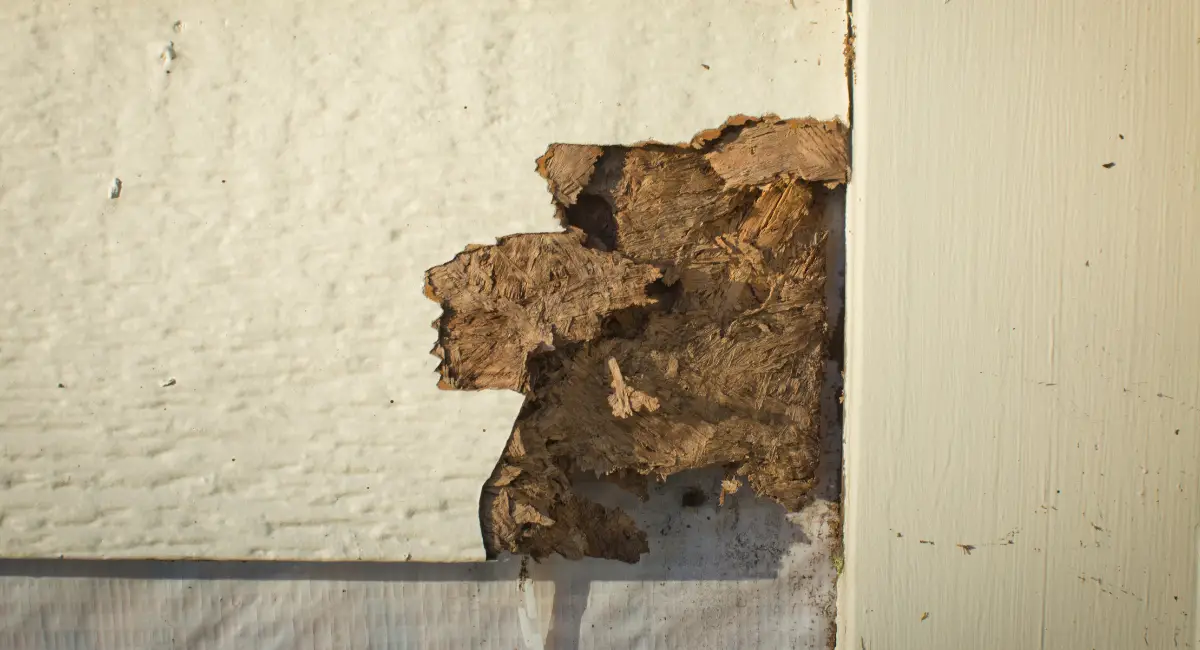
Termites are not just a nuisance; they can cause severe damage that leads to high repair costs. They will eat away at your home’s structure, causing floors to sag, walls to crack, and pillars to rot, potentially resulting in a collapse. Repairing termite damage can be extremely costly, often requiring extensive renovations or replacements of certain structural components. Therefore, early prevention and eradication of termites can save you money and protect your home from long-term damage.
When it comes to protecting your home from termites, Rentokil is a name you can trust. With over 40 years of experience in Thailand, Rentokil is a global leader in pest control, offering professional termite management services that cover everything from inspection to extermination and prevention.
The first step in Rentokil's professional termite management is a free inspection. Before taking action, Rentokil experts will assess your property to evaluate the situation and prepare a tailored plan for effective termite control. They will inspect both the interior and exterior of your home, looking for signs of termite activity, identifying the type of termites (subterranean or drywood), and assessing the level of damage.
After the inspection, experts will analyze the data to devise the best extermination strategy, whether it’s a baiting system, liquid treatments, or fumigation. Rentokil will also provide advice on how to prevent future termite infestations, ensuring your home remains safe.

Understanding that each home has unique termite challenges, Rentokil offers a variety of extermination methods tailored to the type of termite and the severity of the infestation.
The first method is the Baiting System, where bait stations are strategically placed in areas where termites are active. If termites consume the bait, they will carry the active ingredient back to the colony, effectively eliminating it from the source. This method is environmentally friendly and minimizes chemical use, making it safe for your home and the environment.
Another approach is liquid treatment, where insecticide is injected into the soil around the home. Rentokil recommends using non-repellent insecticides that termites can unknowingly ingest, allowing the poison to spread within the colony.
Rentokil's experts will determine the most suitable method based on the specific needs of your home, considering the type of termite and your surrounding environment.
Preventing termites is essential to safeguarding your home from these underground invaders. Rentokil not only specializes in termite extermination but also emphasizes preventive measures to keep termites at bay.
For new constructions, Rentokil offers treatments that can be applied before the foundation is laid to create a barrier against future infestations. They can also inject treatment into existing homes, using high-quality insecticides that are safe for residents and pets.
Additionally, Rentokil recommends regular inspections and preventive treatments every year to monitor for termite activity and manage risks effectively. Simple measures like repairing cracks and leaks, clearing debris around your home, and maintaining proper drainage can also help keep termites away.