The Experts in Pest Control
Don't just imagine your business with no pests...experience pest-free with Rentokil.
Suddenly, There’s a Hole in Your House! SOS Warning Signals from the Underground Pests
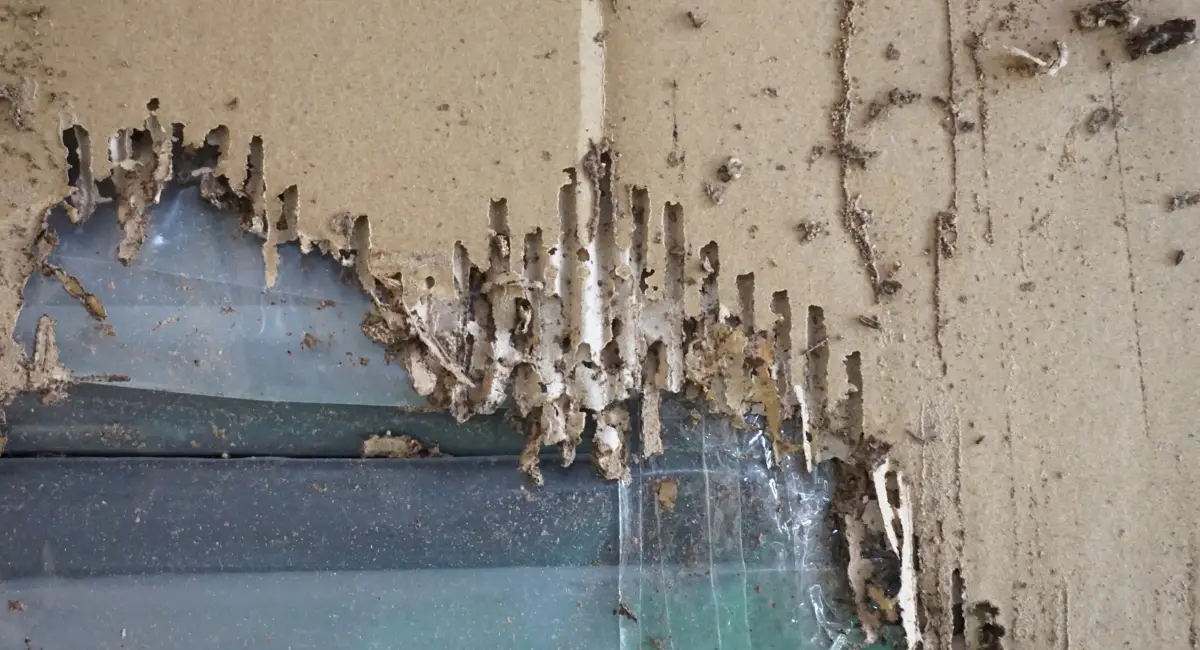
Just mentioning the word "termite" sends chills down the spines of many homeowners. These tiny villains quietly gnaw away at our homes, turning sturdy pillars into hollow shells and smooth floors into nesting grounds. Before you know it, your house could be on the verge of collapse! If you don’t want your home to become a gourmet feast for termites, it’s essential to recognize the warning signs and take action early.
This article will introduce you to "termites," the dreaded enemy of homes, while delving into the danger signals that indicate an impending termite invasion. We’ll also provide initial handling and prevention methods, plus comprehensive termite removal techniques. Rest assured, by the end of this article, you’ll be well-informed about termites!
The sound of a knock at midnight might startle you, but the eerie scratching noises beneath your floor at night can be even more frightening. That could be a warning sign that your home is being invaded by "termites," those tiny yet highly destructive insects. But don’t worry! We’re here to guide you through simple but effective ways to handle termites.
Reducing humidity in your home is one of the most important basic methods for combating termites. Termites thrive in dark, damp environments, so if your house has high humidity, it's like rolling out the welcome mat for them! Imagine a damp, musty house with standing water or leaks—it's paradise for termites, and they’ll happily invade and feast on your home. Therefore, reducing humidity is like cutting off options for termites, making it less attractive for them to seek food and decreasing the likelihood of them damaging your home.
So how can we reduce humidity in our homes? Start by checking the roof, plumbing, and wall cracks. If you find leaks, repair them immediately—don’t let water seep into your home! Open windows and doors to allow airflow, especially in the bathroom and kitchen, and consider using exhaust fans in these areas.
Using a dehumidifier in high-moisture rooms like basements or storage areas can also help. Don’t forget to air out furniture, carpets, and curtains in the sun to reduce moisture. Regularly clean and mop floors, ensuring no standing water remains, and keep items organized for better airflow. With these steps, your home will be safer from termites!
Termites primarily feed on "cellulose," which is found in wood, paper, books, cardboard boxes, and more. By managing these food sources, you’re cutting off their supply line and preventing them from causing damage to your home. Let’s see what termite food sources we need to eliminate and how we can handle them.
Wood Debris: Get rid of wood scraps, branches, leaves, and old logs around your home. Don’t leave them lying around, as they are a prime food source for termites. Trim trees and branches near your home to ensure they don’t touch the structure since termites can use them as bridges to access your home. Store unused logs in a dry, hidden location.
Paper Products: Store books, documents, and magazines in plastic containers instead of cardboard boxes. Dispose of old paper, newspapers, and unused cardboard boxes.
Textiles: Keep clothes, bed linens, and curtains in drawers and cupboards. Make sure to wash and thoroughly dry fabrics before storing them, and get rid of any old or damaged items.
Additionally, here’s a bonus tip: regularly clean your home, especially in damp areas like bathrooms and kitchens, ensuring no standing water or moisture accumulates. Don’t forget to check your home regularly for signs of termites.
Arranging your garden away from your home is another basic way to deal with termites that many overlook. Soil planted with trees close to your house can make it easier for termites to access your home. Let’s see how to garden safely from termites while maintaining aesthetics.
First, don’t plant trees too close to your home. Keep a distance of at least one meter between trees and your house—the further away, the better! Alternatively, consider using potted plants instead of planting directly in the ground, and regularly trim branches to prevent them from touching the house. Opt for termite-resistant plants, such as hardwood trees, and avoid those that attract termites, like bamboo and mango trees. Instead, use ornamental flowering plants rather than large trees.
After planting, regularly prune branches and leaves, and remove fallen debris. Don’t forget to check plants for termite nests. A good tip is to cover the soil around plants with stones, gravel, or sand to deter termites—avoid using sawdust or wood scraps as ground cover.
Lastly, consider installing termite prevention systems, such as bait systems or liquid treatments around your home.
Using furniture made from treated wood is a very smart initial defense against termites. It’s like equipping your home with protective armor right from the start, making termites reluctant to come near.
So why use treated wood? Simply put, termites love to eat wood. Treating the wood with chemicals makes it toxic to termites. When they chew on the treated wood, they ingest the poison and ultimately die. These treatments also protect against mold and other insects that can damage the wood, extending the lifespan of your home’s structure.
When choosing wood, opt for hardwoods like teak, rosewood, or mahogany, which are naturally more resistant to termites. Even if using hardwood, treatment is still advisable for added security. There are various types of treatments available, such as oil-based preservatives and chemical treatments—choose one that suits your wood type, intended use, and environmental conditions.
Additionally, select treatments that are standard and safe for humans, pets, and the environment, and strictly follow the guidelines for usage. Treating wood before use will effectively protect and eliminate termites, extend the wood’s lifespan, reduce repair costs, and enhance safety for your home.
This is like closing the door in termites' faces! Termites can squeeze through tiny cracks and gaps, whether in wall cracks, door frames, or gaps beneath doors. Therefore, sealing these cracks and gaps is a crucial initial method of preventing termites.
Regularly inspect for cracks and gaps both inside and outside your home. Check floor seams, particularly at the corners of rooms, and inspect the spaces between door frames, windows, and walls. Seal any gaps around plumbing and electrical lines that enter your home, and don’t forget to check the roof and joints between different materials, like wood and concrete.
Also, choose quality materials, and if unsure, consult a professional. Regularly inspect and repair any cracks or gaps.

In this context, professionals refer to pest control companies that specialize in termite extermination. These companies will send experts to assess your home, evaluate the level of damage, and develop appropriate extermination and prevention plans. They will then select the most suitable methods and chemicals based on the type of termites, severity, and environmental conditions.
These experts have advanced tools and equipment to access and effectively eliminate termite nests. They can also provide advice on preventing future infestations and maintaining your home to deter termites. While hiring a pest control company incurs costs, it can save you time and money on potential repairs if termite damage occurs.
So why choose Rentokil? We are a global leader in pest control, with over 90 years of experience worldwide and operations in more than 80 countries, including Thailand. Our team consists of trained experts with extensive experience in termite control, employing the latest technologies and innovations, such as bait systems and liquid treatments, alongside radar technology to detect infestations.
We also use standard chemicals that are safe for humans, pets, and the environment. Our services cover all termite-related issues, from inspections and exterminations to prevention. You can be confident in the quality and effectiveness of our services, as we offer a quality guarantee for our annual contracts.
If you’re looking for a professional termite control company, Rentokil is your best choice. Contact Rentokil for a free consultation!