The Experts in Pest Control
Don't just imagine your business with no pests...experience pest-free with Rentokil.
Rodents—those familiar yet unwelcome creatures—don’t just cause nuisance; they are silent carriers of numerous serious rodent borne diseases that can threaten our health in unexpected ways. This article delves into the major diseases spread by rodents, highlights the hidden dangers that many overlook, and shares essential prevention tips to help you live safely and healthily in any environment.
Rodents can transmit diseases to humans through various routes, often linked to their natural habits and waste products.
Infected rodents excrete pathogens in their urine. This urine can contaminate stagnant water, puddles, damp soil, or various surfaces. When people come into direct contact with contaminated areas—especially if they have cuts or abrasions on their skin—or if pathogens enter through the eyes, mouth, or nose, infection can occur (for example, leptospirosis).
Rodent droppings can also carry pathogens. These can contaminate food, drinking water, utensils, or any surface rodents cross. People can become infected by eating or drinking contaminated items, or by touching droppings and then eating without washing their hands. Additionally, dry droppings can turn into airborne dust; inhaling this dust can also cause infection (for example, hantavirus, salmonellosis).
Some diseases are present in rodent saliva. If a rodent bites or scratches a person, pathogens from its saliva can enter the body directly through the wound (for example, rat-bite fever).
Handling live or dead infected rodents—or coming into contact with their bodily fluids—can also expose people to pathogens through broken skin or mucous membranes.
Don’t underestimate the hidden dangers posed by rodents. Beyond being a nuisance, they are a major source of dangerous diseases that can easily spread to humans.
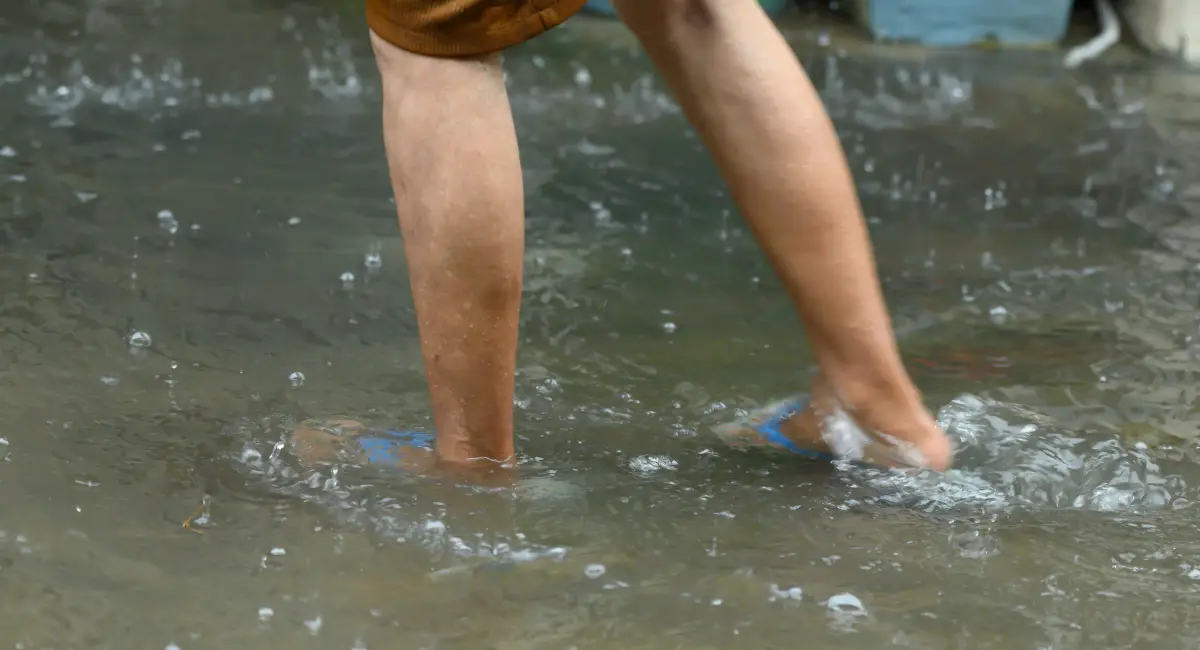
Leptospirosis, or Weil’s disease, is a serious bacterial infection directly linked to rodents. Rodents can carry Leptospira bacteria in their kidneys without showing symptoms. The bacteria are continuously excreted in their urine, contaminating the environment, especially stagnant water, puddles, and damp soil. People exposed to contaminated areas—walking through water, muddy soil, or contact with these surfaces—can become infected through cuts, abrasions, or mucous membranes (eyes, nose, mouth). This is why leptospirosis is often seen during the rainy season or in flood-prone areas and is considered a significant rodent borne disease.
Plague is a highly dangerous disease historically linked to rodents. Rodents (and other small mammals) are the main reservoir for the bacterium Yersinia pestis. The disease is mainly spread to humans via rodent fleas. When fleas bite infected rodents, they pick up the bacteria. If the rodent dies, the flea seeks a new host, potentially biting a human and transmitting the disease. Direct contact with infected animal tissues or fluids (including rodents) can also cause infection. While modern controls have reduced cases, plague remains a concern because of its severity and rodents’ role as major carriers.
Lassa fever is a viral haemorrhagic disease caused by the Lassa virus, with the multimammate rat (Mastomys species) as the main reservoir. These rodents, commonly found in many parts of Africa, often show no symptoms but continuously shed the virus through urine and faeces. Human infection occurs through direct contact with rodent excreta, consuming contaminated food or water, or inhaling airborne particles while cleaning rodent-infested areas. Direct contact with infected rodents (including using them as food in some regions) also poses a high risk. Effective rodent control and preventing rodent access to homes or workplaces are crucial to reducing the risk of outbreaks and protecting public health.
Salmonellosis, commonly known as food poisoning, is another disease linked to rodents. Rodents can carry salmonella bacteria in their intestines and shed it in their droppings (and sometimes urine) without any symptoms. When rodents roam through homes, restaurants, or food storage areas, they can easily contaminate food, water, utensils, and food preparation surfaces. People who eat or drink contaminated items, or touch contaminated surfaces and then eat, can get sick, showing symptoms such as diarrhoea, stomach pain, fever, nausea, and vomiting. This highlights the importance of preventing rodent access to food and maintaining strict kitchen hygiene.
When the hidden dangers of rodents threaten the health of your loved ones, prevention and proper management are essential. Don’t let the problem linger—investing in health protection is the best investment you can make. Choose a professional pest control expert who truly understands rodent behaviour. Rentokil—trusted to stop every rodent problem for a safer, worry-free home.