The Experts in Pest Control
Don't just imagine your business with no pests...experience pest-free with Rentokil.
Just hearing the word “pigeon” might bring to mind flocks flying around, perched on buildings or power lines, and calling out—familiar sights in any big city. However, for factories, pigeons are not just “annoying visitors” but “intruders” that bring a host of issues. Imagine pigeon droppings scattered across floors, machinery, and products, causing unpleasant odors and unsanitary conditions. These droppings can even breed bacteria, negatively affecting the factory’s hygiene and reputation. What’s more, their noise and movement can disrupt employees’ concentration and work productivity.
While pigeons might seem harmless, they can cause significant damage and impact factory hygiene in serious ways. This makes pigeon control a crucial task for business operators. In this article, we’ll share effective tips and techniques for pigeon control—covering prevention, deterrence, and removal methods—along with special solutions to address pigeon issues precisely and sustainably.
To effectively control pigeons, we first need to understand their behavior and stay one step ahead—much like a battle where knowing the enemy is key to planning the right defense.
Pigeons are social creatures that thrive in large flocks, which can lead to various issues, such as unsightly droppings, excessive noise, and a wide-ranging diet that includes seeds, insects, and food scraps. Their adaptable nature helps them find food sources easily in urban areas. With sharp vision and hearing, pigeons are skilled at spotting danger and finding food, making them well-equipped for survival. They also breed year-round, typically having two chicks per brood, which causes their numbers to grow rapidly.
So why are pigeons so attracted to factories? Factories often provide the perfect environment for pigeons to live and feed. With expansive spaces, hidden corners, and rooftops, factories offer pigeons safe spots for shelter, nesting, and protection. Food scraps or waste around factories give easy access to meals, while water sources like pipes, gutters, and puddles offer places to drink and bathe. Structures such as beams, roofs, and crevices also provide ideal spots for roosting and nesting.
When pigeons become "invaders," causing damage to your factory, it’s time to implement serious measures to tackle this issue. There are three main strategies for pigeon control: prevention, deterrence, and elimination.
Start by sealing off entry points. Inspect and block any cracks or openings where pigeons can enter, such as roofs, eaves, vents, doors, and windows. Use durable materials like nets, metal sheets, or cement for blocking.
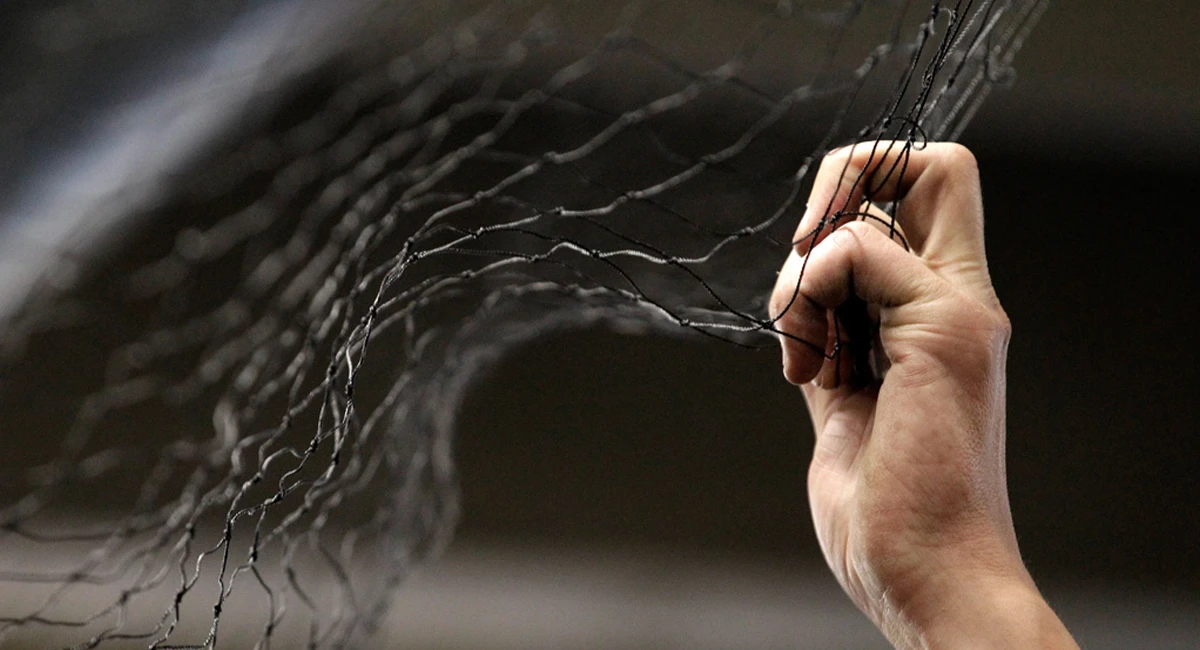
Installing bird nets is a popular and effective way to keep pigeons—and other nuisance birds—out. Choose nets with openings smaller than the birds themselves and ensure they are strong and durable. Install them around various entry points like windows, vents, and balconies.
Additionally, eliminate food and water sources. Maintain cleanliness by picking up food scraps and garbage, and avoid stagnant water that pigeons can access, such as puddles or open containers. We recommend trimming overgrown branches that provide perches or nesting spots, and removing debris that could be used for nesting.
This strategy requires various deterrent devices, including sound deterrents that emit frequencies pigeons dislike, such as ultrasonic sounds or predator calls. Light deterrents, which use lasers to disrupt pigeons’ vision, can also be effective.
Traditional methods, like using scarecrows shaped like hawks, snakes, or even human figures, can work too. Alternatively, pigeon repellent sprays can be applied in areas where pigeons like to perch or nest.
For a more sustainable approach, consider planting thorny or aromatic plants that pigeons dislike, such as bougainvillea or lemongrass, or keeping animals that are natural predators of pigeons, like cats.
Before discussing elimination, it’s important to note that methods like poison and traps are generally not recommended, as they can negatively impact other wildlife and tarnish your factory's reputation.
Even after implementing prevention and deterrence strategies, stubborn pigeons may continue to cause problems, necessitating drastic measures for elimination. However, removing pigeons is not straightforward and comes with several legal and safety considerations. Therefore, hiring a professional pest control service is often the best solution.
Why choose Rentokil? We assess the area, evaluate the issues, analyze the causes and severity of the pigeon problem, and develop tailored prevention and elimination plans. Our humane methods prioritize animal welfare, utilizing nets, spikes, and gels designed to be safe for both birds and the environment.
Our team consists of trained experts with specialized skills for safely and effectively installing pigeon control measures at height.
Basic deterrence may not be enough for factories facing persistent pigeon problems. If you're seeking quick and effective solutions, here are three special techniques to "level up" your pigeon elimination strategy like a pro.
Bird gel is a clear, odorless substance that humans cannot detect but irritates the sensory perception of pigeons, discouraging them from perching. This gel is sticky, causing discomfort when pigeons land on it, making them less likely to return. Importantly, it does not contain harmful chemicals, ensuring it is safe for both birds and the environment; it merely disrupts their landing behavior.
This gel is designed to last, remaining effective even in harsh sunlight or rain.
To use it, identify areas where pigeons tend to perch, nest, or wander in your factory, such as window ledges, beams, and signs. Clean these surfaces thoroughly to remove dust, debris, and droppings to enhance the gel's effectiveness. Finally, apply the gel in long lines along the favored perching spots, spacing the lines about 5-10 centimeters apart. Alternatively, you can place the gel in small containers and distribute them in key areas.
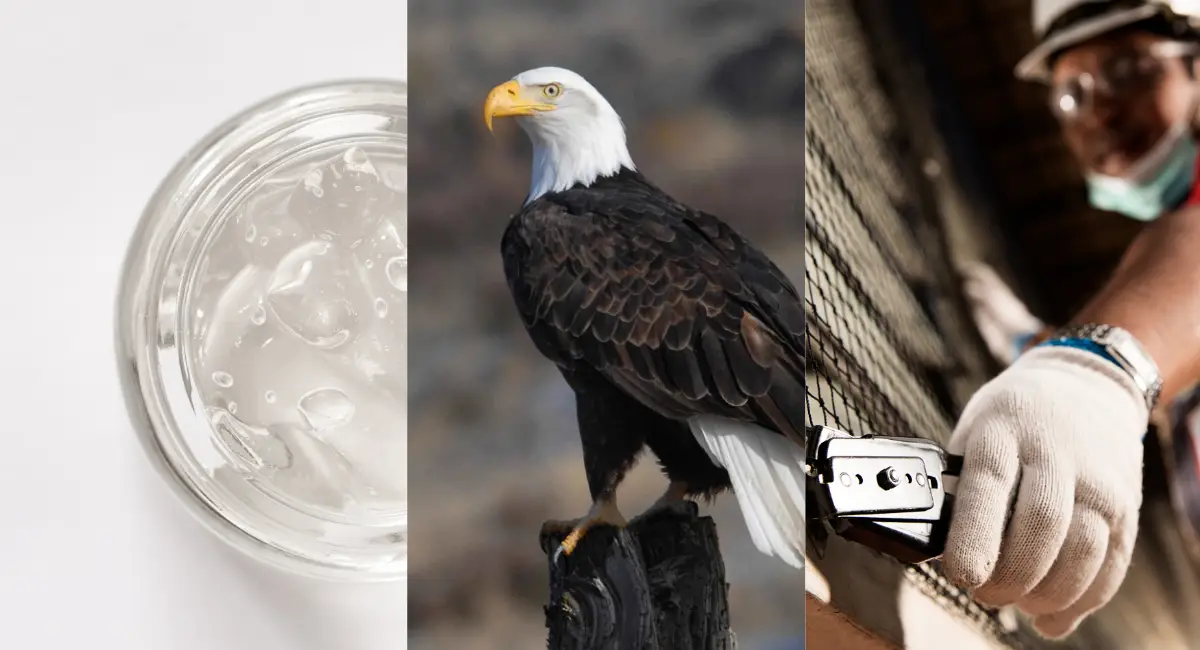
Hawks are natural predators of small birds, including pigeons. Using hawks creates a realistic simulation that instills fear and pressure on pigeons, compelling them to leave the area.
For this method, trained professionals will release hawks to fly around the factory. The hawks will circle, survey, and chase away pigeons, creating an atmosphere of fear that discourages them from returning.
Pigeons have good memories and will remember areas associated with danger. When pressured by a hawk, they will avoid returning to that location. If they do not flee, they risk becoming prey themselves.
Rentokil is not just a pest control company; it specializes in managing all types of nuisance wildlife, including pigeons. With extensive experience and a team of experts, Rentokil is a trusted choice for factories facing pigeon issues.
With experience addressing pigeon problems in various settings, we understand pigeon behavior and how to implement effective solutions tailored to each area. We offer a comprehensive range of pigeon control techniques and equipment, including bird net installation, spikes, gel applications, and a combination of methods to ensure the most effective results.
Our methods and products meet industry standards, are durable, and ensure safety for people, pets, and the environment. We comply with all relevant laws and regulations, eliminating the need for trial and error or the stress of choosing ineffective methods. Rentokil saves you time and costs by providing complete service from assessment to implementation and follow-up.
Let Rentokil help you "resolve" your pigeon problem sustainably, safely, and effectively. For service inquiries or more information, please reach out to us.