The Experts in Pest Control
Don't just imagine your business with no pests...experience pest-free with Rentokil.
In bustling cities filled with people and towering skyscrapers, we are often familiar with the sight of pigeons—grey birds that can be seen in parks, public areas, or even around homes. With their slow, nonchalant behavior and lack of fear towards people, many view pigeons as harmless, small creatures.
However, in reality, pigeons are a close danger that come with a host of diseases and damage. Especially when they begin inhabiting residential areas, condominiums, or industrial spaces. This article will explore the dangers and impacts of pigeons that might be unexpected, aiming to raise awareness and promote serious management of this issue.
Beneath their grey feathers and slow behavior, pigeons can harbor "silent threats" that impact our health in unexpected ways. Particularly, they can carry contagious diseases, trigger allergies, and cause respiratory problems—silent threats associated with these small birds.
Although pigeons generally have a high resistance to avian influenza viruses, they can still act as carriers of the disease. This can be dangerous to humans in certain cases, as pigeons can become infected with avian influenza by coming into contact with wild or domesticated birds that carry the virus, such as through droppings or secretions. Although the risk of transmission to humans from pigeons is relatively low, precautions should be taken. Avoid touching pigeons, chasing them, or feeding them, especially if they appear sick or dead. Wash hands frequently with soap and water after contact with pigeons or surfaces contaminated with bird droppings. Ensure poultry is cooked thoroughly to kill any harmful pathogens. It’s important to note that while pigeons can be carriers of avian influenza, the likelihood of humans contracting the disease from them is still low. However, caution should be exercised, and preventive measures should be followed to reduce the risk of infection.
Cryptococcosis is a fungal infection caused by the fungus Cryptococcus neoformans, commonly found in the environment, especially in pigeon droppings. The fungus can spread through the air and be inhaled into the human body as spores. Once inside the body, it often begins as a pulmonary infection, causing symptoms similar to pneumonia, such as cough, fever, chest pain, and difficulty breathing. In severe cases, especially in individuals with weakened immune systems, the infection can spread from the lungs to other parts of the body, including the brain. This can lead to cryptococcal meningitis, a serious condition characterized by severe headache, stiff neck, fever, confusion, seizures, double vision, or loss of vision. The fungus can also spread to other organs like skin, bones, and lymph nodes, causing localized infections.
Meningitis is an inflammation of the meninges, the protective membranes surrounding the brain and spinal cord. This condition can result from various causes, including fungal infections like Cryptococcus neoformans, which are found in pigeon droppings. When dried droppings release fungal spores into the air, they can be inhaled and cause infection. In healthy individuals, the immune system can handle the fungus; however, in those with compromised immune systems, it can spread from the lungs to the brain, causing meningitis. Symptoms of meningitis include severe headache, stiff neck, fever, confusion, seizures, double vision, or loss of vision. If meningitis occurs, it can cause damage to the brain and affect neurological functions like movement control, speech, vision, hearing, memory, and cognition. Meningitis can also lead to severe complications such as brain swelling, seizures, coma, and death.
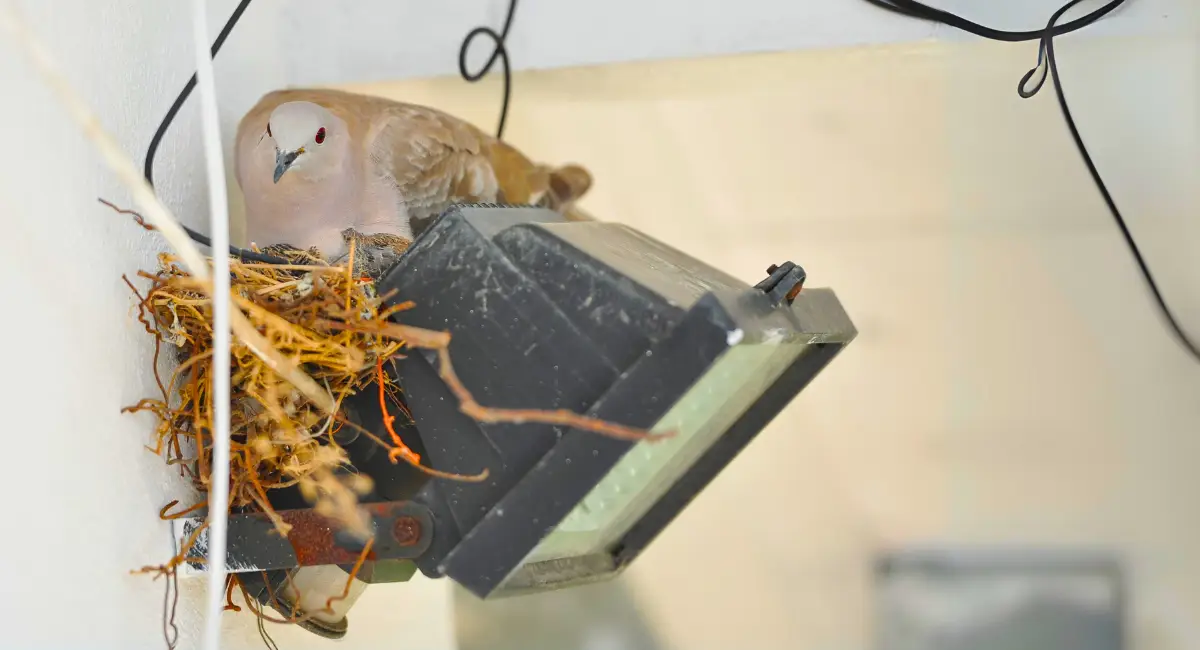
Pigeons are not just "nuisances" with their cooing and soiled droppings; they also have a significant impact on the environment. They can cause everything from damage to buildings to threats to ecosystems, making it important to take this issue seriously.
Pigeon droppings are a key cause of deterioration in buildings and other structures due to their acidic nature. The droppings contain nitrogen, phosphorus, and uric acid compounds that can corrode various materials. This corrosion can damage metals like iron, copper, and zinc, causing rust, erosion, and decay. It can also affect stone materials like limestone, marble, and sandstone, leading to discoloration, cracking, and crumbling, affecting cement and causing flaking and cracks. This damage can extend to roofs, walls, windows, and doors, as well as bridges, which may become unsafe. Pigeon droppings can also corrode monuments and statues, causing loss of historical and artistic value.
Pigeon droppings not only create unsightly mess but also contribute to "odor pollution" that affects the environment and the quality of life. In areas with high pigeon populations, droppings, especially those that have accumulated over time, release ammonia, hydrogen sulfide, and volatile organic compounds (VOCs) that have unpleasant smells, cause discomfort, and degrade air quality. The unpleasant odors from pigeon droppings indicate a buildup of pathogens, bacteria, and fungi that can be harmful to health. Prolonged exposure to these odors can irritate the respiratory system, causing coughing, sneezing, runny nose, and potentially impacting mental health with stress and anxiety. This odor pollution can affect businesses like restaurants, hotels, and tourist spots by making customers unhappy and damaging their reputation, creating an uncomfortable environment, and reducing the quality of life in communities.
Pigeons are not just a nuisance with their cooing and droppings; they are carriers of diseases and a source of pathogens that can affect human and animal health. Pigeons can carry a variety of pathogens such as Cryptococcus neoformans, which causes cryptococcosis—transmitted to humans through inhalation of fungal spores found in pigeon droppings. Additionally, pigeons can be carriers of bacteria like Chlamydia psittaci, which causes psittacosis (a type of pneumonia), Salmonella, which causes food poisoning, and E. coli, which can lead to diarrhea. Furthermore, pigeon droppings, feathers, and secretions can contaminate the environment, including soil, water, and air. The pathogens can spread to other areas through wind, rain, insects, or other animals. Residents or workers in areas with pigeon populations are at high risk of exposure to pathogens and potential infections, particularly those with weakened immune systems such as children, the elderly, and people with chronic illnesses.
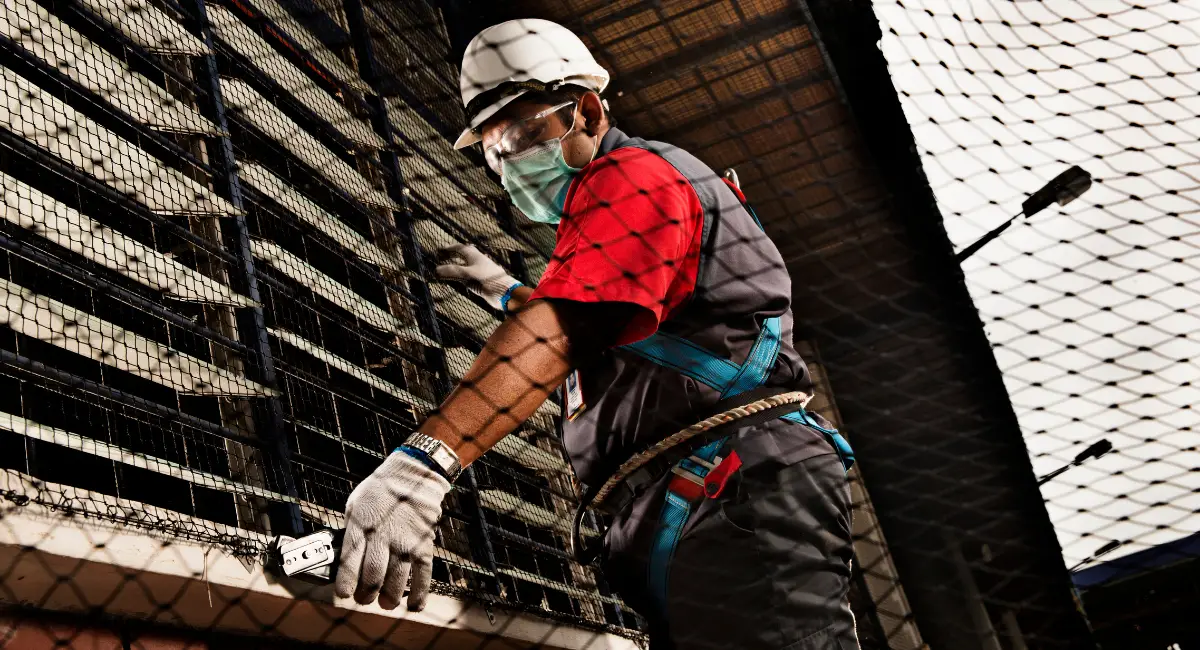
Pigeons can be a nuisance with their cooing, odors, and droppings. But don't worry, there are several methods to prevent and deter these birds from invading your space. Let's take a look at effective ways to manage pigeon problems.
Installing bird spikes is a popular and effective method for deterring pigeons. They are durable, safe, and provide a good solution for those looking to get rid of pigeon issues. Bird spikes are designed to prevent pigeons from perching, nesting, or defecating in unwanted areas. Typically, they consist of sharp stainless steel, plastic, or polycarbonate spikes that create an uncomfortable surface for the birds. When pigeons can’t land comfortably, they are likely to move on to find another location.
Installation considerations include the type of pigeons, the size of the area, and budget. Measure the area where the spikes will be installed to calculate the number needed. Ensure that the surface is clean before installation for better adhesion of the adhesive or silicone. You can attach bird spikes using adhesives, silicone, or screws according to the manufacturer's instructions.
Bird netting is another popular method for preventing and deterring pigeons, particularly in large areas or where aesthetics matter. The netting acts as an "invisible wall" that effectively keeps pigeons away from the protected areas. Bird netting is made from synthetic materials like nylon or polyethylene, with small mesh sizes that prevent pigeons or other birds from entering.
The netting can be customized with various sizes, colors, and patterns to fit specific needs. When installed correctly, it creates a barrier that prevents pigeons from accessing the area. When pigeons can't enter, they are more likely to move elsewhere.
Pigeon gel is another non-invasive method for preventing and deterring pigeons. It’s safe, easy to use, and effective. Pigeon gel is a sticky substance containing plant extracts like chili, essential oils, or synthetic compounds that pigeons dislike. It works by creating an uncomfortable feeling for pigeons, such as stickiness when they land, making them unwilling to perch. Some gels also have an unpleasant odor or taste, like chili or mint, which pigeons dislike, further deterring them from the area.
Hiring professional pigeon control services is the most convenient and effective way to manage pigeon problems, especially for large areas, high buildings, or places with severe pigeon infestations. Professionals have the knowledge, experience, and equipment needed to address the issue safely and sustainably. Working at heights requires expertise, so hiring a professional is essential for effective results.
If you're not sure which service to use, Rentokil is a leading global pest and wildlife control company with extensive experience in deterring pigeons and other birds. Rentokil offers various services, including inspections and assessments at no extra cost. Their experts will visit, evaluate the severity of the problem, analyze causes, and provide recommendations. They use modern equipment and technologies, prioritize safety, and offer comprehensive services. Rentokil is a reputable company that is trusted by many; contact them today.