The Experts in Pest Control
Don't just imagine your business with no pests...experience pest-free with Rentokil.
Pests like ants, mosquitoes, cockroaches, and flies are a common headache for every household. While chemical solutions are widely available, natural and non-toxic pest control methods have become the preferred choice for homeowners who prioritise the safety of their families, pets, and the environment.
Here are 5 effective natural methods and DIY pest control techniques you can easily apply at home
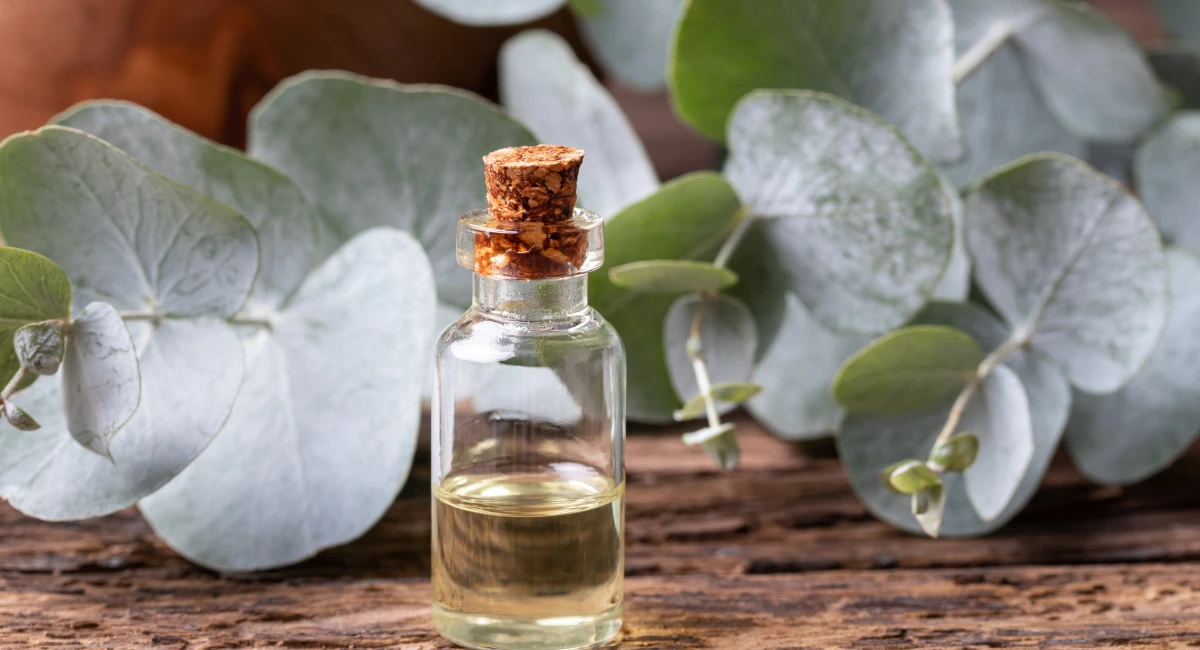
Plant-based essential oils are one of the safest ways to keep pests at bay. The strong aroma disrupts their sense of smell and navigation:
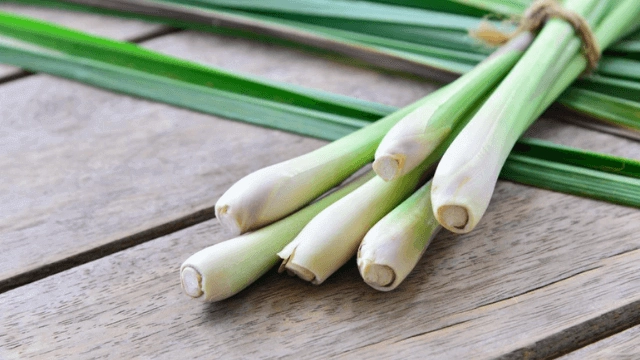
Peppermint & Lemongrass Oil: Excellent for repelling spiders, ants, and mosquitoes.
Eucalyptus & Tea Tree Oil: Highly effective against flies and roaches.
How to use: Mix 10–15 drops of your chosen essential oil with water and a few drops of dish soap in a spray bottle. Spray this natural pest repellent around entry points, window sills, and doorways.
Nematodes target and eliminate soil-dwelling pests and termite larvae naturally without harming plants, humans, or pets.
How to use: Mix nematodes with water according to the instructions and spray the solution onto moist soil around your home’s perimeter.
Food-grade Diatomaceous Earth (DE) is a natural powder made from fossilised microscopic algae. It physically damages the exoskeleton of crawling insects, causing them to dehydrate and die:
Highly effective against ants, cockroaches, fleas, and bed bugs.
How to use: Lightly dust DE along baseboards, behind cabinets, or inside cracks where pests hide. It acts as an effective, non-toxic DIY pest control barrier.
You can create simple household traps using everyday pantry items instead of chemical poisons:
Baking Soda & Sugar: Mix equal parts of baking soda and sugar to create a bait for cockroaches. The sugar attracts them, while baking soda disrupts their digestive system.
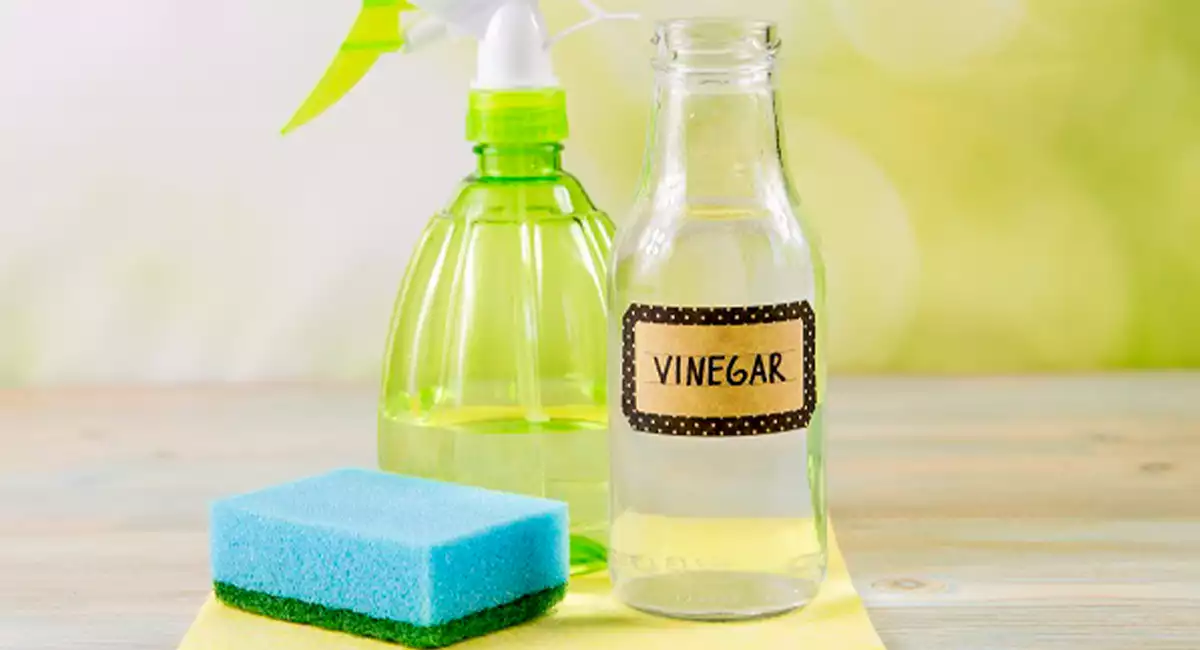
Vinegar & Dish Soap Trap: Mix apple cider vinegar with a few drops of dish soap in a small bowl to trap fruit flies and gnats.

Preventing pests from entering your home in the first place is the most sustainable natural method:
Seal cracks, gaps, and entry points around walls, doors, and utility pipes.
Keep your yard clean, trim overgrown vegetation, and eliminate standing water to disrupt mosquito breeding sites.
.2025-05-09-09-00-16.webp)
While natural remedies and DIY pest control tips work well for minor bug problems and preventive measures, severe or hidden infestations—such as subterranean termite colonies or large rodent populations—often require professional intervention.
If non-toxic home remedies are no longer enough, it is best to consult a professional pest control.
At Rentokil, every pest control expert on our team undergoes rigorous technical training to perform comprehensive property inspections, accurately identify pest species, and implement safe, eco-friendly pest management solutions designed to protect your home and loved ones long-term.