Don't just imagine your business with no pests...experience pest-free with Rentokil.
© 2026 Rentokil Initial plc and subject to the conditions in the Legal statement.
German cockroaches are small pests that scurry around homes, causing annoyance and a sense of unease for many. Known for their ability to hide in various nooks and crannies, these tiny but troublesome insects can create significant issues. From contaminating food and triggering allergies to serving as vectors for diseases, German cockroaches pose more than just a nuisance. This article will introduce you to these pests in detail, covering their general characteristics, behavior, potential dangers, and effective control and prevention methods to help you deal with these persistent invaders in your home.
German cockroaches, also known as "small cockroaches," are uninvited guests that cause annoyance for many. Despite their small size, these pests are prolific breeders and create significant problems. They contaminate food, trigger allergies, and can even be disease carriers.
Before diving into their behavior and how to deal with these tiny pests, let’s first get acquainted with their external characteristics. German cockroaches typically measure between 1.3 - 1.6 centimeters in length, which is smaller than the commonly seen American cockroach. They have a light brown base color with distinct dark brown stripes running lengthwise from the head to the base of the wings. Their bodies are flat and oval-shaped with long antennae that aid in smell and touch. They have two pairs of wings but are not very adept at flying; they are more inclined to run. With six legs and tiny spines, they move well on various surfaces.
Did you know? Despite having wings, German cockroaches rarely fly, except when disturbed or in danger. They are more comfortable running due to their small size, which allows them to easily squeeze into tiny crevices.
German cockroaches and American cockroaches are two common types of cockroaches found in households but they differ in size, behavior, and habitat. Let’s take a closer look at their differences:
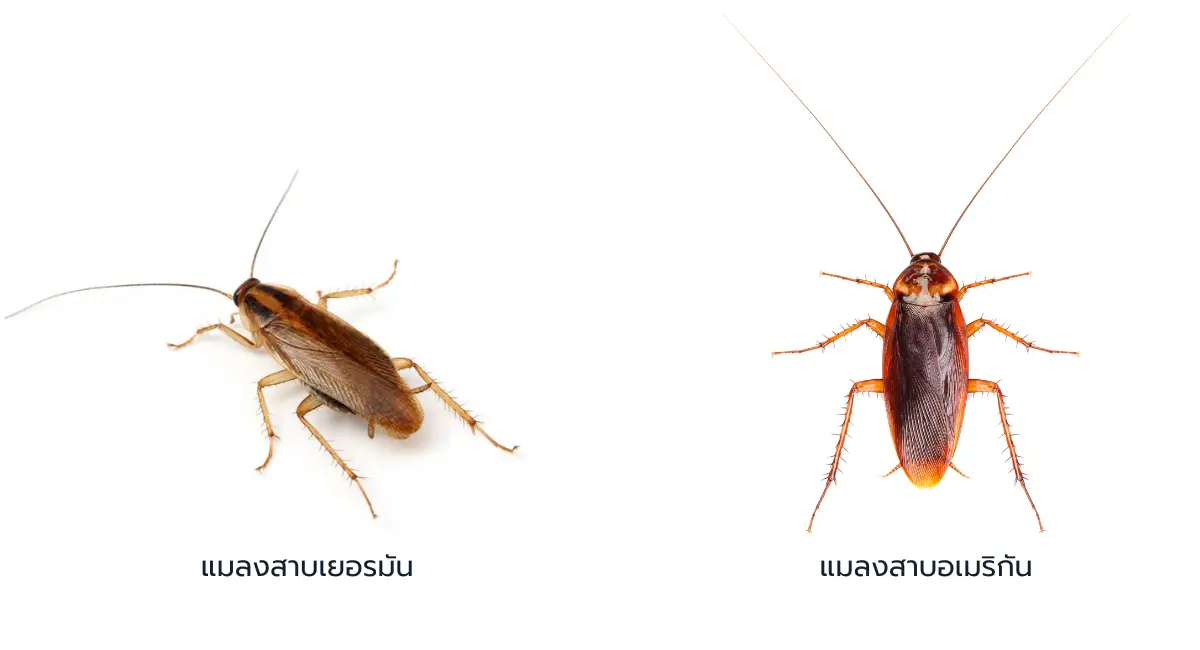
German cockroaches are smaller, measuring about 1.3 - 1.6 centimeters in length. They have a light brown body with two distinct dark brown stripes running lengthwise from the head to the wings. On the other hand, American cockroaches are larger, measuring between 3.8 - 5 centimeters in length. Their bodies are reddish-brown with a yellowish band around the pronotum (the part covering the thorax).
German cockroaches prefer to live indoors, particularly in kitchens, bathrooms, and warm, damp areas. American cockroaches are often found in drainpipes, basements, and outdoor, damp areas.
German cockroaches breed rapidly and are usually found in groups, hiding in small crevices, contrasting with American cockroaches that breed more slowly and are typically found singly in open spaces.
German cockroaches have wings but are not good fliers, relying more on running. American cockroaches, however, are better fliers.
German cockroaches can eat a variety of things, including food scraps, soap, glue, and paper, whereas American cockroaches prefer decaying organic materials and food scraps.
To sum it up, German cockroaches are smaller, prefer indoor living, breed quickly, while American cockroaches are larger, often found outdoors, and are more adept at flying.
German cockroaches, also known as “small cockroaches,” are unwelcome guests that can create significant annoyance and trouble for many people. Despite their small size, their ability to breed rapidly and cause problems is far from small-scale. Whether it’s contaminating food, triggering allergies, or acting as disease vectors, German cockroaches are not to be underestimated.
What’s concerning is that German cockroaches have a fast lifecycle, allowing them to increase their population quickly and making them difficult to control. Let’s delve deeper into the lifecycle of German cockroaches to understand them better and find effective ways to get rid of them.
The lifecycle of a German cockroach is incomplete, consisting of three stages: Egg Stage: The female German cockroach lays eggs in a capsule called an ootheca. This brown, pouch-like structure contains around 30-40 eggs. The female carries the ootheca attached to her abdomen until the eggs are about to hatch, then deposits it in a safe place. The egg stage takes about one month.
Nymph Stage: When the eggs hatch, the nymphs emerge. They resemble adults but are smaller and wingless. Nymphs molt several times before reaching adulthood. The nymph stage lasts around 1-2 months.
Adult Stage: After the last molt, the nymphs become fully matured adults with wings and the capability to reproduce. Adult cockroaches live for about 6-7 months.
Moreover, throughout their lives, one female German cockroach can produce 4-8 egg capsules, containing over 200 eggs in total. This high reproductive capacity is one of the main reasons why German cockroaches proliferate so quickly and are difficult to eradicate. With a short lifecycle and high breeding rates, German cockroaches can rapidly increase their population and spread throughout a home, causing damage and health issues. Understanding the lifecycle of German cockroaches will help us plan and implement effective control measures.
Beyond their rapid reproduction, German cockroaches exhibit some sneaky behaviors that make them hard to control and eradicate. Let’s delve deeper into the behavior of these little troublemakers to stay one step ahead and find effective ways to get rid of them.
German cockroaches are known for their adaptability and survival skills. They can be found globally, especially in urban areas, and they often choose living spaces that support their life cycle. German cockroaches prefer warm environments, such as homes, restaurants, hospitals, hotels, and more. Remember, moisture is essential for these cockroaches’ survival; they need water to live and usually choose places with high humidity like kitchens, bathrooms, and near drain pipes.
These cockroaches are nocturnal, preferring dark and concealed spots like corners, behind cabinets, under sinks, inside appliances, and any other places that provide food sources. They seek out sources of food as they need it to survive, often residing close to kitchen areas, pantries, or restaurants.
German cockroaches are known for their wide-ranging eating habits. They can consume almost anything in their path, making their diet a significant factor in their survival and proliferation. What do they eat? Their preferred food includes grains, sugars, fats, spoiled food, decaying plant and animal matter, and unusual items like soap, toothpaste, glue, paper, books, fabric, hair, nail clippings, and even feces. During times of scarcity, they can feed on animal waste, organic grime, and other dirty substances.
German cockroaches forage for food primarily at night when it’s dark and safe. They consume small amounts frequently, preferring moist foods such as spoiled food or wet waste. They use their antennae to touch and detect food smells before eating.
They breed quickly, hide well, and are tough to eliminate. But don’t worry, we’ve got some preventive and control methods for German cockroaches that will keep your home safe from these little troublemakers.
Mothballs are a simple way to repel German cockroaches that have been used for a long time. While they’re not a method of extermination, they can help prevent cockroaches from entering desired areas. Mothballs emit a strong odor due to chemicals like naphthalene or paradichlorobenzene, which irritate the cockroaches’ respiratory systems, making them uncomfortable and less likely to come near. Since the odor of mothballs dissipates quickly, it’s important to replace them regularly to maintain their effectiveness.
Place mothballs in spots where German cockroaches are likely to frequent, such as under sinks, behind cabinets, in drawers, and along room corners. When the smell starts to fade, replace the mothballs to maintain their repellent effect.
As mentioned earlier, German cockroaches, or "little cockroaches," are troublesome pests that cause inconvenience. They breed quickly, hide well, and are tough to eliminate. But did you know that "house cleaning" is a powerful weapon in preventing and controlling German cockroaches?
Start by eliminating food scraps, spilled drinks, and crumbs—excellent food sources for cockroaches. Sweep and mop the house regularly, at least 2-3 times a week, to remove food debris and grime. Use a vacuum cleaner to clean carpets, sofas, and corners thoroughly to get rid of food remnants, dust, and cockroach eggs.
Then, wipe down countertops, stoves, sinks, drawers, and floors regularly. Don’t forget to clean behind refrigerators, ovens, and other appliances, and scrub bathroom areas, toilets, sinks, and floors regularly. Dispose of trash daily, and use covered bins to keep cockroaches out.
Finally, organize and store items neatly. Avoid piling up items as it reduces hiding spots for cockroaches. Regularly clean and organize closets to prevent cockroaches from nesting.
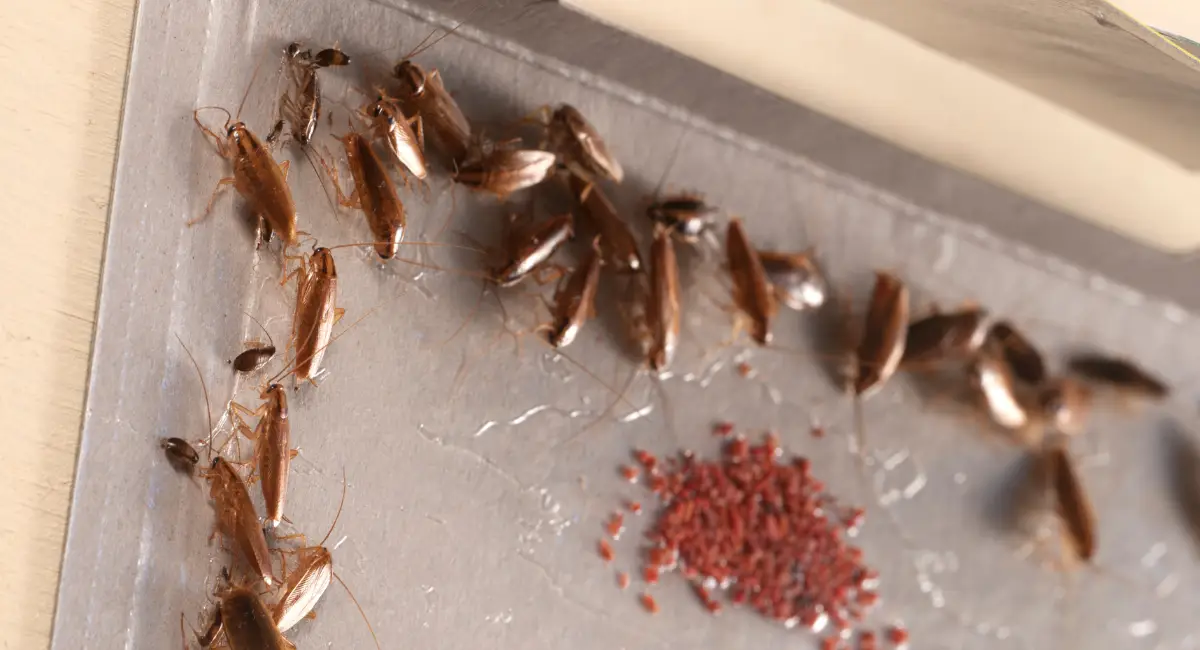
Sticky cockroach traps are a popular method for controlling German cockroaches because they are easy to use, inexpensive, and don’t require chemicals. However, sticky traps don’t prevent cockroaches but capture those already inside your home.
How do they work? Sticky traps have a specially coated sticky surface designed to trap cockroaches specifically. When cockroaches walk across, they get stuck and can’t escape. Some traps even have bait mixed in, such as food scents, to attract cockroaches and increase their chances of getting caught.
To use them, place sticky traps in areas where cockroaches are known to pass, such as under sinks, behind cabinets, in drawers, and near trash cans. Check and replace the traps regularly—especially when they’re full of cockroaches or the sticky surface starts to dry out.
We hope this article will help you better understand German cockroaches—small but highly destructive pests—and enable you to use this knowledge for effective prevention and control to maintain a clean, safe, cockroach-free home. But remember, German cockroaches are just one of many types of cockroaches found in homes. Other species like the American cockroach could also be problematic. Understanding different cockroach types and control methods is crucial for everyone’s health and hygiene at home.