The Experts in Pest Control
Don't just imagine your business with no pests...experience pest-free with Rentokil.
Whether it's pesky pigeons or other birds leaving droppings and damaging property, traditional solutions may not always work—or can be too expensive. But don’t worry, we’ve got simple, budget-friendly options: DIY bird repellent devices that are easy to make and proven effective. This article introduces 5 DIY tools you can set up yourself to get rid of birds, helping restore peace and cleanliness to your space.
Birds perching or nesting on your balcony, roof, or garden can quickly become a headache. Here are 5 top DIY bird repellent ideas that are affordable, easy to install, and have been shown to effectively deter birds from coming back.
This simple DIY tool uses visual disruption to deter birds. The tape’s shiny, reflective surface glints in sunlight or artificial light, creating flashes that confuse and scare birds. When combined with the tape’s natural fluttering in the wind, this random motion adds to the discomfort, making birds feel unsafe. Some tapes also produce soft rustling sounds in the breeze, which enhances their effectiveness.
Ideal for balconies, gardens, rooftops, or other open areas, this method is inexpensive and highly accessible, although birds may get used to it over time.
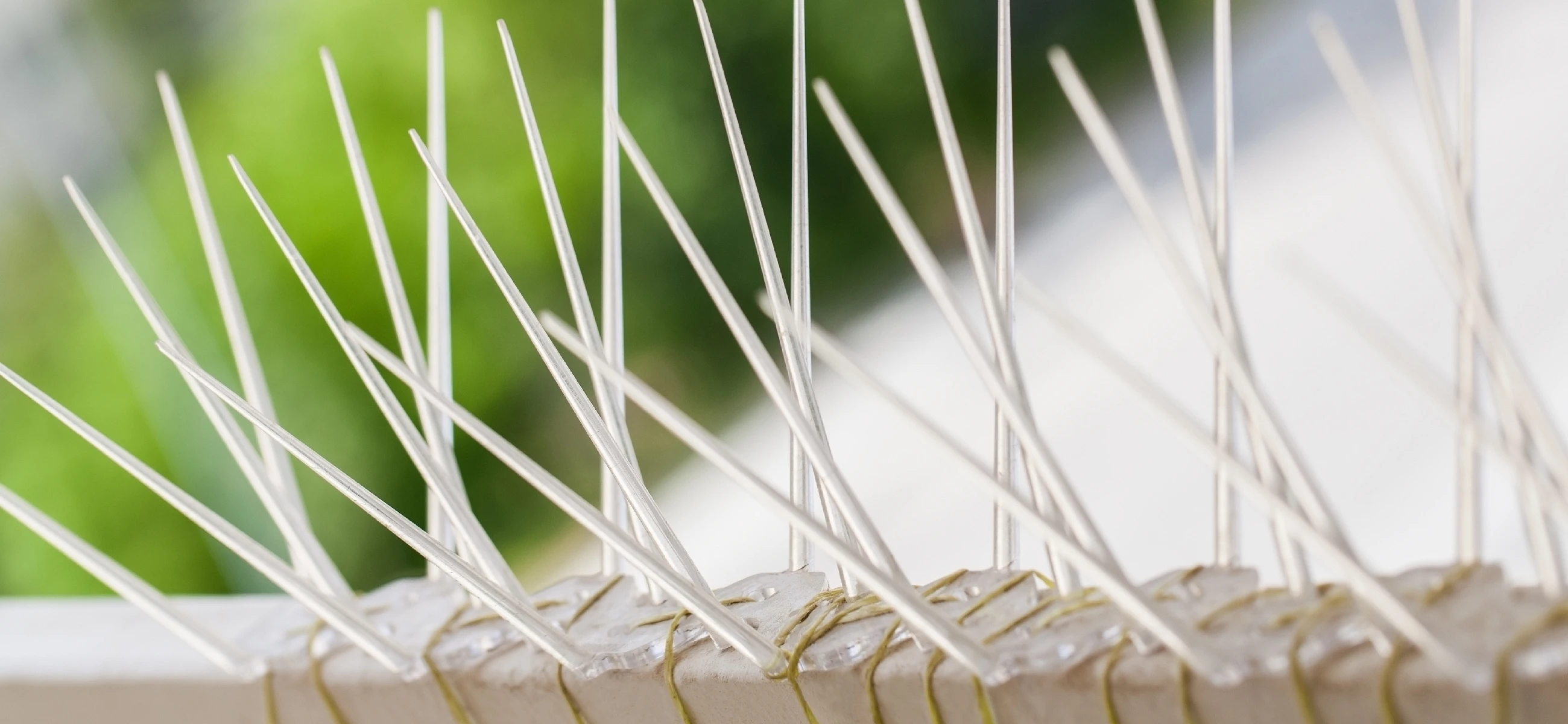
Plastic bird spikes act as a physical barrier, preventing birds from landing in unwanted spots. Made of plastic with upward-pointing dull spikes, they are designed not to harm but to block landing surfaces such as window sills, beams, gutters, fences, and ledges.
When birds try to perch, they can’t find a stable or comfortable surface, so they fly off to find safer ground. These are durable, long-lasting, and provide effective long-term protection when installed correctly.
Bird-scaring balloons, old CDs, reflective mobiles, or brightly colored ribbons rely on psychological deterrents. The balloon design usually features large eye patterns, mimicking predators like hawks or owls. These fake "eyes" trigger the bird’s natural instinct to avoid danger.
When hung in the open, the movement from wind and light reflection from surfaces like CDs or ribbons creates an unpredictable, unsettling environment.
These tools are inexpensive and easy to set up, though birds may become desensitized over time. Regularly changing locations or combinations can help maintain their effectiveness.
Owl, hawk, or eagle decoys use the same fear-based psychology as the balloons. Small birds like pigeons or sparrows instinctively avoid predator figures.
Placing these decoys on rooftops, balconies, or near nesting areas sends a clear visual message: danger ahead.
However, most decoys are static, and birds may learn over time that they’re fake. To improve effectiveness, move them periodically or use models with slightly moving parts like rotating heads to maintain the illusion of threat.
This sticky gel creates an uncomfortable surface for birds to land on. Applied to areas like railings, ledges, pipes, or beams, the gel makes their feet feel unstable, slippery, or sticky—enough to make them avoid landing there again.
Though most gels are non-toxic and safe, they can get messy or wear off over time due to weather and dust, requiring reapplication to remain effective. Transparent or light-colored options are available to minimize visual impact.
Choosing the "best" repellent depends on your situation—bird species, number of birds, location, and visual concerns. Here's a summary chart to help compare:
| Feature | Reflective Tape | Plastic Bird Spikes | Eye Balloons / Hanging Items | Predator Decoys | Bird Gel |
|---|---|---|---|---|---|
| How it works | Visual (light/movement) | Physical barrier | Visual/psychological scare | Visual scare | Tactile discomfort |
| Effectiveness | Good at first | Very high (permanent) | Decent (short-term) | Decent (short-term) | High (specific areas) |
| Ease of installation | Very easy | Moderate (needs securing) | Very easy | Easy | Moderate |
| Cost | Low | Medium | Low | Low–Medium | Medium |
| Durability | Fair (can tear/age) | High | Low–Medium (fragile) | Medium (must move) | Low–Medium (reapply) |
| Visual impact | Medium (visible) | High (very noticeable) | High (can be unattractive) | Medium (visible) | Low |
| Best for | Balconies, gardens | Ledges, signs, beams | Gardens, farms | Rooftops, gardens | Railings, beams, pipes |
| Cons | Birds adapt quickly, needs wind/light | Obvious appearance, location-limited | Birds adapt quickly, can look messy | Birds may learn, needs repositioning | Needs reapplying, can be messy |
| Summary | Easy, cheap, short-term | Long-lasting, reliable | Easy, cheap, scare-based | Visual deterrent, needs adjustment | Tactile defense, needs maintenance |
To get the most out of your DIY bird control methods, keep these tips in mind:
What type of birds are you dealing with? Are they nesting or just resting? Where are the problem areas? The more you know, the better you can tailor your solution.
Do you have hanging points? Is appearance a major concern? Choose tools that suit your physical space and aesthetic preferences.
For better results, use a mix of repellents—like combining bird spikes with reflective tape—to increase confusion and reduce bird adaptation.
Birds can learn and adapt. If one method stops working, adjust positions or swap tools. Observation and flexibility are key to long-term success.
Remove bird droppings and nests before setting up repellents—always with proper protective gear. Clean spaces discourage birds from returning.
We hope these 5 DIY ideas inspire you to get rid of birds the smart, budget-friendly way. But if you’ve tried everything and birds keep coming back—don’t let frustration ruin your peace of mind.
Bird problems? End them for good with Rentokil. Consult a professional today for expert assessment and tailored bird control solutions—protect your home or business with confidence.