The Experts in Pest Control
Don't just imagine your business with no pests...experience pest-free with Rentokil.
Flies, those tiny creatures that often appear accompanied by the annoying buzzing sound, may seem like nothing more than a nuisance in our daily lives. However, behind their seemingly ordinary appearance, they are formidable disease vectors lurking closer to us than we realize. This is especially true in Thailand, where the warm and humid climate fosters the growth of flies, increasing the risk of disease outbreaks. Flies are attracted to dirty places such as garbage piles, dead animals, and animal droppings—each being a breeding ground for harmful pathogens. They then fly over to food, water, or even our bodies, transferring these diseases to humans, leading to serious health issues, ranging from gastrointestinal diseases and conjunctivitis to skin infections.
In this article, we will explore the world of flies in depth, identify the types of flies that act as disease carriers, and learn about the diseases they transmit. We will also clarify the mechanisms behind how they spread diseases and share effective prevention tips so that you can be aware of the silent danger flies pose and protect yourself from harmful diseases.
Flies, the small insects commonly encountered in daily life, may seem like nothing more than an annoying nuisance. However, did you know that they are dangerous disease vectors more harmful than we realize? With their behavior of feeding in dirty places like garbage piles, animal droppings, and decaying bodies, flies serve as intermediaries in spreading bacteria, viruses, and parasite eggs to humans, causing a range of illnesses. Let's explore the dangerous diseases that come with these tiny flies, so we can become aware of the risks and know how to protect ourselves from these harmful diseases.
Dysentery is one of the serious diseases that flies can transmit. Flies are attracted to filth such as garbage and animal waste, which are breeding grounds for the Shigella bacteria, the cause of dysentery. These pathogens cling to the fly’s body, legs, and mouth. When flies land on food, water, or food containers, they transfer the bacteria, contaminating the food and water. If we consume food or water contaminated with Shigella, we can get infected and develop dysentery.
While dysentery often resolves on its own, it can lead to severe symptoms such as dehydration, shock, or even death, especially in young children, the elderly, and those with weakened immune systems. Therefore, protecting yourself from flies is crucial to reducing the risk of dysentery.
Typhoid fever is another serious disease that flies can spread. Although the primary cause of typhoid fever is food and water contaminated with the Salmonella Typhi bacteria, flies play a significant role in spreading this bacteria. Flies are attracted to waste materials like feces, urine, and discharge from typhoid patients, which harbor the Salmonella Typhi bacteria. The bacteria stick to the fly’s legs, mouth, and body.
When flies land on food, water, or various containers, they contaminate these items with Salmonella Typhi. If we consume contaminated food or water, we can contract the infection and develop typhoid fever.
Symptoms of typhoid fever include high fever, chills, headaches, fatigue, loss of appetite, nausea, vomiting, constipation, or diarrhea. Some individuals may develop rashes or experience delirium. If left untreated, it can lead to severe complications such as a ruptured intestine, gastrointestinal bleeding, bloodstream infections, and meningitis, which can be fatal.
Flies can also transmit cholera. While the primary cause of cholera is consuming water or food contaminated with Vibrio cholerae, flies play a crucial role in spreading this disease. When flies land on food, water, or containers, they can transfer the Vibrio cholerae bacteria. If we consume contaminated food or water, we can become infected with cholera.
Flies, although tiny, can cause serious diseases like diarrhea. While diarrhea can be caused by various factors such as viruses, bacteria, parasites, or contaminated food, flies are key agents in spreading the infectious agents responsible for the condition.
To prevent diarrhea from flies, always wash your hands thoroughly, especially before eating and after using the restroom. Consume freshly cooked food, drink clean water, wash fruits and vegetables before eating, dispose of waste and food scraps, and ensure food is covered. Installing fly traps and nets can help keep flies out of your home. Proper hygiene and fly control are essential to prevent diarrhea.

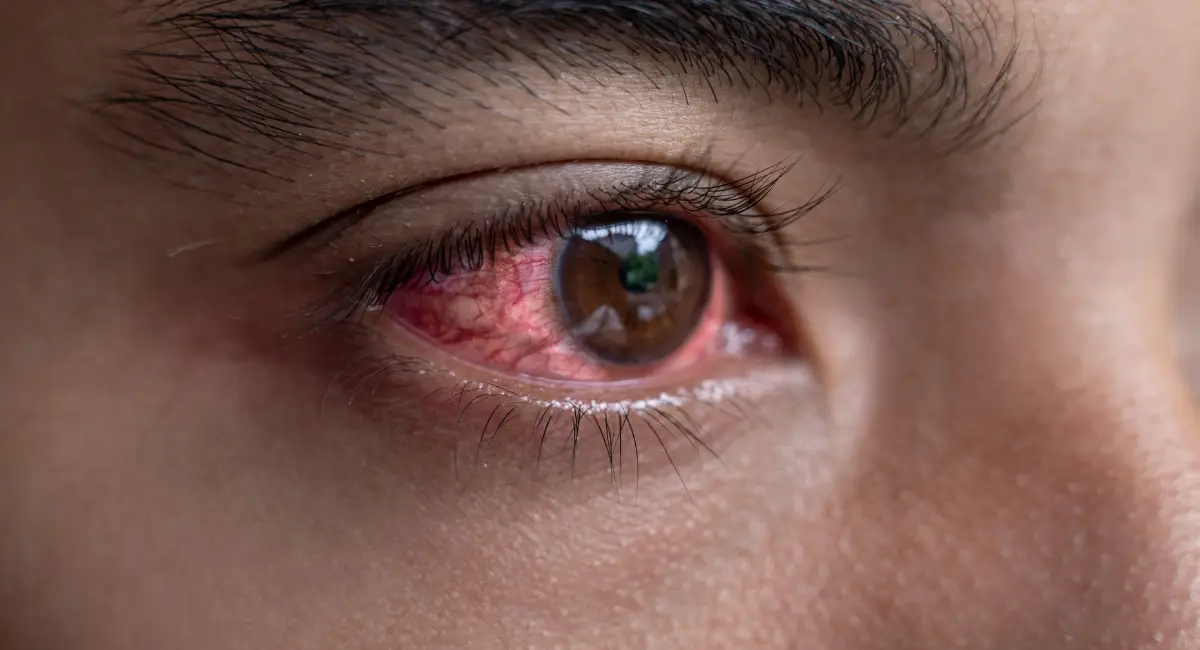
Although pink eyes can spread easily through direct contact with an infected person, flies can also act as vectors for this disease, especially in areas with poor sanitation and high fly populations. Flies are attracted to filth, such as eye discharge and tears from pink-eye patients, which harbor the bacteria and viruses responsible for the disease. When flies land on our eyes, the infectious agents can transfer and cause pink eye.
Despite their small size, flies can carry parasitic eggs. These infections, caused by various types of parasites, can spread through flies, especially those inhabiting unsanitary areas like feces or animal waste, which may contain parasitic eggs. The eggs stick to the fly's legs, mouth, and body.
When flies land on food, water, or containers, they can contaminate them with parasitic eggs. Consuming such food or water allows the eggs to enter our body, where they develop into larvae and grow into adult worms, leading to parasitic infections.
Symptoms may vary depending on the type of parasite, including abdominal pain, diarrhea, loss of appetite, nausea, vomiting, fever, anemia, and weight loss. In severe cases, complications such as intestinal obstruction or liver inflammation can occur.
Tiny flies can pose a big threat. Don’t let diseases catch you off guard—prevention is better than cure. If you’re concerned about flies, Rentokil is here to provide professional pest control services to ensure your home is clean, safe, and free of diseases. Contact Rentokil today for a cleaner, healthier home.