© 2026 Rentokil Initial plc and subject to the conditions in the Legal statement.
Just hearing the word "mosquito" might already make you want to swat one away. But did you know that among the various species of these pesky bloodsuckers, there’s one called the Culex mosquito? It doesn’t just irritate you; it’s also a vector for severe diseases like encephalitis. In Thailand, the most common outbreak associated with this mosquito is Japanese Encephalitis (JE).
Though small and unassuming in appearance, the Culex mosquito is not to be underestimated. The silent threat it carries can have life-threatening consequences. This article will take you on a deep dive into the world of the Culex mosquito: from its physical traits and life cycle to its behavior and the encephalitis diseases it transmits. Most importantly, we’ll explore ways to protect ourselves and stay safe from this dangerous mosquito.
Getting to Know the Culex Mosquito: Key Characteristics You Need to Know
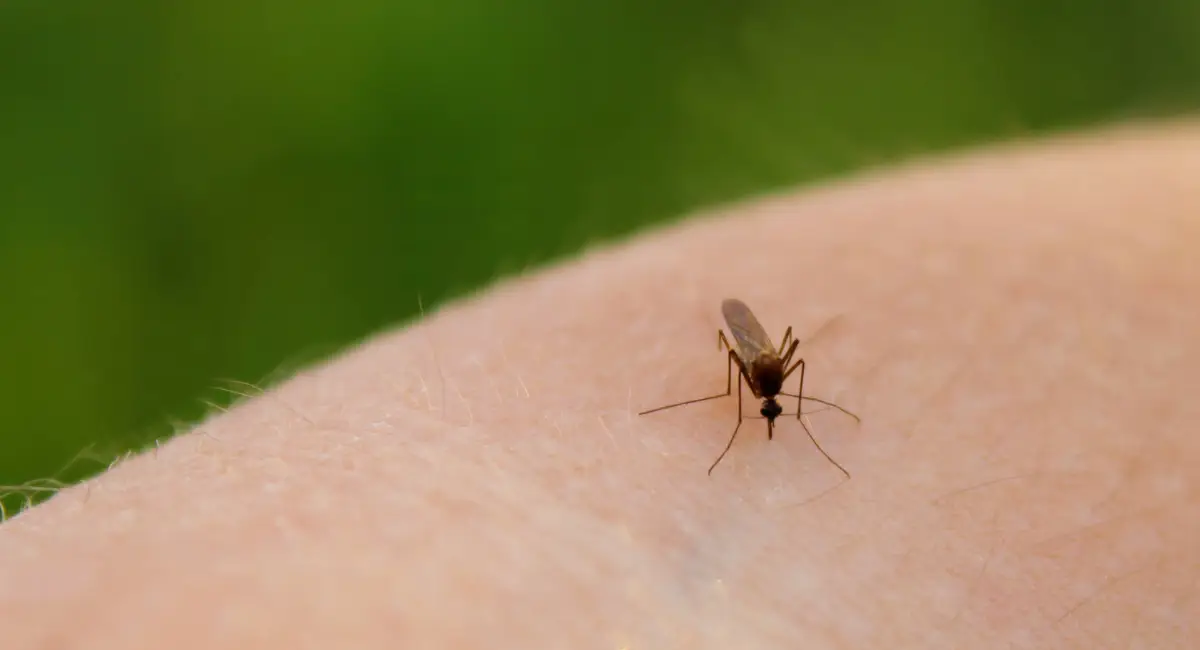
While many people are familiar with the Aedes mosquito, notorious for spreading dengue fever, there’s another common mosquito species in Thailand that shouldn’t be overlooked. This is the Culex mosquito, a vector for the dangerous Japanese Encephalitis. But how can you identify a Culex mosquito from others? Let’s explore its distinguishing features to help you spot it with ease.
-
Size and Shape
The Culex mosquito is noticeably smaller than the Aedes mosquito. Its body is light brown and lacks any striking patterns. Unlike the distinctive black-and-white stripes of the Aedes mosquito, the Culex mosquito’s wings are clear, without spots or markings.
-
Color
Typically, the Culex mosquito sports a light brown hue, with slightly darker shades in some areas. However, it is still far less vibrant than the Aedes mosquito. The most notable characteristic is the absence of any body patterns, setting it apart from other patterned mosquito species.
Additionally, its legs are slender and long, and its abdomen appears round and blunt at the tip, unlike some mosquito species with sharp abdominal ends.
By understanding these features, you can better identify the Culex mosquito and take precautions to protect yourself from the diseases it transmits.
Unveiling the Life Cycle of the Culex Mosquito
Now that we’ve covered the defining characteristics of the Culex mosquito, let’s dive deeper into its life cycle. This tiny but troublesome insect goes through several fascinating stages before becoming the blood-sucking pest we know. Like other mosquito species, the Culex mosquito undergoes four key life stages:
-
Egg Stage
Female Culex mosquitoes lay their eggs on the surface of stagnant or polluted water, such as puddles and wastewater ponds. The eggs are elongated, white, and often laid in clusters that form a raft-like structure. After about 1–2 days, the eggs hatch into larvae.
-
Larval Stage
Larvae, commonly known as “wrigglers,” are elongated and worm-like. They live in water, feeding on microorganisms and organic matter. This stage lasts approximately 7–10 days, during which the larvae grow rapidly.
-
Pupal Stage
In the pupal stage, the mosquito takes on a comma-like shape (,) and does not feed. Instead, it breathes through tubes that extend above the water’s surface. This stage lasts 2–3 days, after which the mosquito emerges as an adult.
-
Adult Stage
The adult mosquito, now fully developed, emerges from the pupal case. It can fly, mate, and seek out food. Female Culex mosquitoes feed on the blood of humans and animals to produce eggs, while males survive on nectar from flowers.
By understanding the life cycle of the Culex mosquito, we can better target its vulnerable stages, preventing its spread and the diseases it carries.
Understanding Culex Mosquito Behavior: Know Your Enemy to Protect Yourself
After exploring the characteristics and life cycle of the Culex mosquito, it’s time to delve into its behavior—how it bites, feeds, and breeds. Understanding these habits is the key to effectively protecting yourself from this small but dangerous insect.
-
Biting Behavior
Culex mosquitoes are most active during dusk and nighttime, particularly from early evening until just before dawn. They don’t limit themselves to humans; pets such as dogs, cats, and other mammals are also targets. These mosquitoes tend to fly low to the ground and typically bite around the ankles and legs.
-
Feeding Habits
These mosquitoes prefer humid areas with vegetation, such as shrubs and tall grass. Female Culex mosquitoes feed on the blood of humans and animals to develop eggs, while males consume nectar from flowers.
-
Breeding Habits
Once emerging from the pupal stage, Culex mosquitoes mate and begin a new life cycle. Females seek suitable water sources to lay their eggs.
-
Common Breeding Sites
As carriers of diseases like Japanese Encephalitis, reducing Culex breeding sites is crucial for minimizing their population and the associated health risks. Unlike Aedes mosquitoes, which prefer clean water, Culex mosquitoes thrive in polluted water with decaying organic matter. Here are their favorite breeding grounds:
- Stagnant Puddles: Especially those containing leaves, garbage, or debris.
- Sewage Ponds: Poorly maintained ponds with foul-smelling stagnant water.
- Clogged Drains: Drains with standing water and leftover waste.
- Canals: Overgrown canals with stagnant, polluted water.
- Swamps and Marshes: Areas with accumulated organic matter.
Comparison with Other Mosquito Species
-
Aedes Mosquitoes: Lay eggs in clean water, often found in containers like jars, vases, plant saucers, and old tires.
- Anopheles Mosquitoes: Prefer clear water, such as ponds and containers.
By understanding the specific habits and breeding preferences of Culex mosquitoes, we can take targeted measures to eliminate their breeding sites and protect ourselves from the dangers they pose.
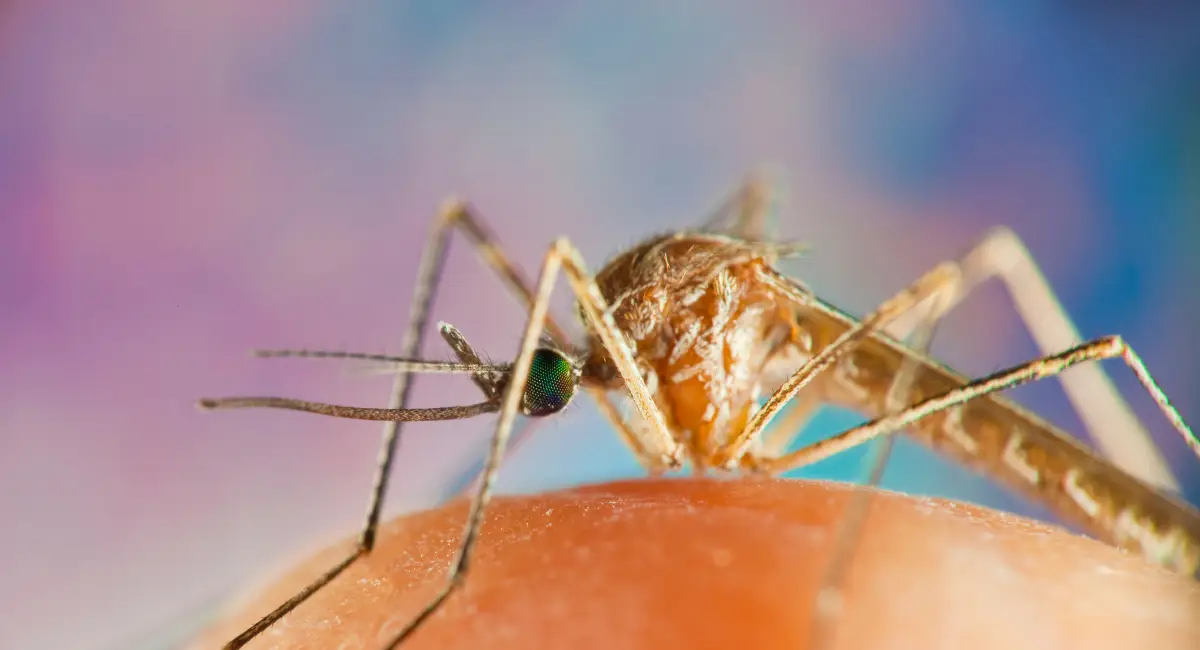
Culex Mosquitoes: A Dangerous Carrier of Encephalitis
As previously mentioned, Culex mosquitoes are more than just irritating insects; they are significant carriers of serious diseases, particularly Japanese Encephalitis (JE). This life-threatening illness can cause severe neurological damage and even death if left untreated.
Symptoms of Japanese Encephalitis
Infected individuals may experience a range of symptoms, from no noticeable signs to severe complications such as:
- High fever
- Headache
- Nausea and vomiting
- Fatigue
- Neurological symptoms, including neck stiffness, seizures, drowsiness, or unconsciousness
How Culex Mosquitoes Spread JE
The primary vector for JE in Thailand is Culex tritaeniorhynchus. The virus transmission cycle involves:
- Biting Infected Animals: Mosquitoes feed on animals like pigs or birds carrying the JE virus.
- Virus Multiplication: The virus multiplies within the mosquito.
- Human Transmission: Infected mosquitoes bite humans, transmitting the virus and causing the disease.
Treatment for Japanese Encephalitis
Since JE is caused by a virus, there is no specific antiviral medication for its treatment. Management focuses on relieving symptoms, preventing complications, and supporting the body to fight the virus.
Symptomatic Treatment
- Fever Reduction: Use of antipyretics like paracetamol, along with cooling measures like sponging or cold compresses.
- Pain Management: Paracetamol or ibuprofen for pain relief.
- Seizure Control: Administration of anticonvulsant medication for patients experiencing seizures.
- Respiratory Support: In severe cases, ventilators may be necessary.
Managing Complications
- Bacterial Infections: Address secondary bacterial infections with appropriate antibiotics.
- Brain Swelling: Monitor and manage cerebral edema.
Rehabilitation
Post-recovery, some patients may require physical therapy to regain motor functions and other rehabilitation efforts to recover fully.
Recovery Timeline
Recovery depends on the severity of the disease and associated complications:
- Mild cases may resolve within weeks.
- Severe cases may take months, with some patients experiencing lasting effects.
Understanding the risks posed by Culex mosquitoes and the severe consequences of Japanese Encephalitis underscores the importance of preventive measures and early treatment. Taking steps to eliminate mosquito breeding sites and protect oneself from bites can significantly reduce the risk of infection.
Dispelling Myths About Culex Mosquitoes: What's True and What's Not?
Culex mosquitoes have long been a part of daily life in Thailand, leading to numerous stories, beliefs, and misconceptions. Let's clear the air and address some common misunderstandings about these notorious insects.
1. Do Culex Mosquitoes Bite Only at Night?
Myth: Culex mosquitoes are active mainly at dusk and nighttime, but they can also bite during the day, especially in dark, damp areas with breeding sites nearby.
2. Do Culex Mosquitoes Prefer Black?
Partially True: While there’s no definitive scientific evidence proving their preference for black, studies suggest mosquitoes may be more attracted to darker colors like black and navy blue because they are easier for mosquitoes to spot.
3. Do Male Culex Mosquitoes Bite Humans?
False: Only female mosquitoes bite humans to obtain blood for egg production. Male mosquitoes feed on nectar and other plant-based sugars.
4. Is a Culex Mosquito Bite Harmless?
False: Culex mosquitoes can transmit serious diseases like Japanese Encephalitis (JE) and lymphatic filariasis. Therefore, their bites should not be taken lightly.
5. Do Culex Mosquitoes Lay Eggs in Any Water?
False: Unlike Aedes mosquitoes, which prefer clean water, Culex mosquitoes lay their eggs in polluted water, such as stagnant pools, sewage, and clogged drains.
6. Are Culex Mosquitoes the Cause of Dengue Fever?
False: The primary vector of dengue fever is the Aedes aegypti mosquito. Culex mosquitoes are not responsible for spreading dengue.
7. Is Smoke Effective for Eliminating Culex Mosquitoes?
Partially True: Smoke can repel mosquitoes temporarily but does not eliminate them. The most effective approach is to remove breeding sites and use protective measures against bites.
8. Are Culex Mosquitoes Found Only in Thailand?
False: Culex mosquitoes are widespread and can be found worldwide, especially in tropical and temperate regions.
Protect Yourself from Culex Mosquitoes Before They Spread Diseases
Culex mosquitoes, carriers of dangerous diseases like Japanese encephalitis, can pose serious health risks. Protecting yourself and your loved ones is essential. Here are some simple yet effective methods to prevent Culex mosquito infestations that everyone can follow.
1. Eliminate Stagnant Water
Did you know stagnant water is a haven for Culex mosquitoes? It's the ideal breeding ground that allows these pests to multiply rapidly. Removing stagnant water and preventing it from becoming polluted is the key to breaking their life cycle and reducing the risk of mosquito-borne diseases.
Female Culex mosquitoes prefer laying their eggs on water surfaces, especially in dirty, polluted water containing decomposing organic matter. Common sites include stagnant puddles, sewage ponds, and clogged drains. These areas provide ample food and shelter for larvae to thrive and develop into adult mosquitoes.
What can you do?
- Inspect your surroundings for stagnant water in items like unused containers, tires, or trash piles.
- Drain standing water or fill in puddles and holes with soil.
- For larger stagnant areas, consider permanent solutions like landscaping or drainage systems.
2. Regularly Change Water
Changing water in various containers can effectively interrupt the mosquito life cycle. This prevents mosquitoes from reproducing and reduces the risk of diseases like Japanese encephalitis.
Culex mosquitoes prefer to lay their eggs in still water containing organic matter, such as fallen leaves or waste. Common places include vases, basins, and flower pot trays left untouched for long periods.
How to change water effectively:
- Replace water in containers at least once a week.
- Scrub containers thoroughly before refilling to remove mosquito eggs clinging to the sides.
- Turn over or dispose of unused containers to prevent water accumulation.
3. Clean Drainpipes Regularly
Drainpipes, both inside and around the house, are often overlooked breeding grounds for Culex mosquitoes. Stagnant water and trapped debris in pipes provide the perfect environment for mosquitoes to lay eggs.
Clogged or poorly maintained pipes may retain water, becoming stagnant. Organic waste like food scraps, soap residues, and grease further support mosquito larvae growth.
How to clean drainpipes:
- Regularly inspect bathroom, kitchen, and outdoor drainage systems.
- Remove blockages using hot water or a combination of baking soda and vinegar, followed by flushing with hot water.
- For severe clogs, use specialized pipe-cleaning tools or seek professional help.
4. Install Window Screens
Window screens are a classic and effective way to keep mosquitoes out of your home. They create a physical barrier, preventing mosquitoes and other insects from entering while allowing ventilation.
By installing durable and tightly fitted screens, you can keep doors and windows open without worrying about mosquitoes. Besides Culex mosquitoes, window screens also keep out flies, cockroaches, and ants, maintaining cleanliness and comfort indoors.
Tips for choosing window screens:
- Opt for strong, durable materials with fine mesh to block even the smallest insects.
- Ensure proper installation to eliminate gaps or tears that mosquitoes can pass through.
- Regularly check for damage and repair promptly to maintain effectiveness.
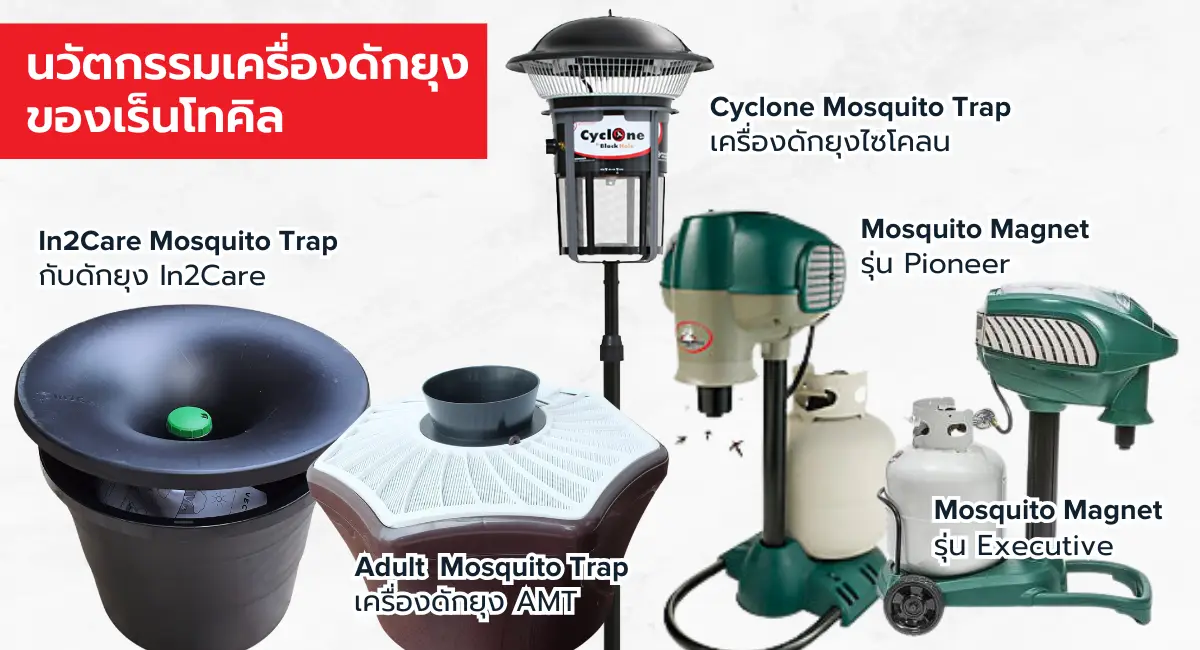
Technological Advances in Mosquito Control
In today's era of rapid technological progress, controlling Culex mosquitoes has become easier than ever. Innovative tools and devices are continuously being developed to help safeguard your home from mosquitoes and prevent diseases like Japanese encephalitis. Let's explore how these technologies can keep mosquitoes at bay.
Electric Mosquito Traps: A Smart Solution
One of the most effective innovations in mosquito control is the electric mosquito trap. These devices use advanced techniques like photocatalysis and mosquito lures to attract and eliminate mosquitoes without harmful chemicals.
Here’s how it works:
- Mimicking Human Scent: Electric mosquito traps release carbon dioxide (CO₂) through a process called photocatalysis. This CO₂ is combined with octenol, a compound that mimics the scent of human breath and sweat, effectively luring mosquitoes.
- Trapping Mechanism: Once the mosquitoes are attracted, a fan pulls them into a storage compartment. The mosquitoes are then trapped, dehydrate, and eventually die.
- Safe and Chemical-Free: These devices are safe for families as they don’t rely on harmful chemicals. They are perfect for outdoor use, ensuring a mosquito-free environment around your home.
Benefits of Using Electric Mosquito Traps:
-
Ease of Use: Simple setup and maintenance make these devices user-friendly.
- Health Protection: Helps reduce mosquito-borne disease risks.
- Environmentally Friendly: Operates without emitting harmful substances.
Final Thoughts
Advanced technologies like electric mosquito traps are revolutionizing mosquito control, offering an effective and eco-friendly way to protect your home and family. By integrating such solutions into your home, you can enjoy a safer and more comfortable living environment, free from the nuisance of Culex mosquitoes and the dangers they bring.