The Experts in Pest Control
Don't just imagine your business with no pests...experience pest-free with Rentokil.
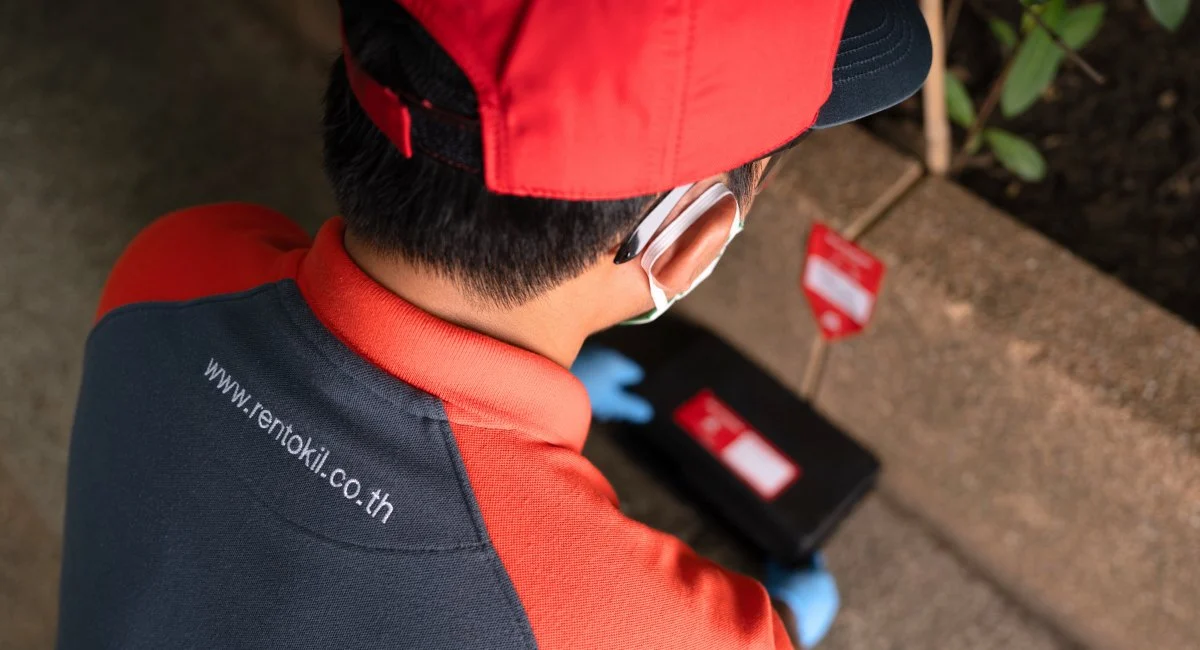
Mice in the home can cause serious headaches—damaging property and spreading disease. Choosing the right mouse trap is essential. This article walks you through each type of trap, helping you pick one that’s safe for your family while effectively eliminating rodents, restoring peace to your home.
When it comes to mouse control, most people imagine various trap designs—each with its own mechanism and unique features. Understanding each type helps you choose the most effective trap. Here’s a rundown of the most popular mouse traps:
These classic traps consist of a wooden or plastic base with a powerful spring-loaded metal bar (usually U- or rectangular-shaped). You place bait on the trigger platform and set the bar in place. When a mouse touches the bait or trigger, the spring snaps shut rapidly, crushing the mouse’s neck or body and killing it instantly or fatally injuring it.
Pros:
Cons:
These are flat cardboard, plastic, or shallow trays coated with highly sticky adhesive. Bait is sometimes placed in the center (but bait isn’t always needed if placed in a known mouse path). When a mouse crosses the glue, it becomes stuck by its fur and feet, unable to escape.
Pros:
Cons:
These are small boxes or tunnels with an entrance and bait inside. When a mouse steps on the metal plate, it completes an electrical circuit, instantly electrocuting the mouse. Most models have an indicator light to show when a mouse has been caught.
Pros:
Cons:
These are metal mesh or sturdy plastic cages with a one-way door (or sometimes two). Bait is placed inside, connected to a spring or lever that triggers the door to shut once the mouse enters, trapping it unharmed.
Pros:
Cons:
Professionally managed bait stations use slow-acting rodenticides. Mice eat the bait and return to die in their nest within 2–7 days (depending on the poison). This delayed effect reduces bait shyness, so other mice continue to feed, allowing for large-scale control. Baits come in various forms—blocks, pellets, or gels—depending on mouse feeding preferences.
Rentokil’s experienced technicians install bait stations along common mouse pathways: near walls, behind furniture, under cabinets, near water sources, and where droppings or chew marks are found. Stations are locked and secured to prevent tampering.
The spacing between stations depends on infestation levels and site conditions—usually every 5–15 meters. Rentokil maps and records each station’s location for monitoring and refilling.
Technicians first identify the mouse species (house mouse, roof rat, sewer rat) to choose the best bait and station. They also assess infestation levels (droppings, chew marks, tracks, odors) to determine how many stations are needed and where to place them for maximum effect.
They check the environment for risks like child or pet access, water sources, and humidity to ensure safe, effective placement and meet customer needs.
Ultimately, choosing the right mouse trap—considering family safety and proper baiting—is crucial for truly solving mouse problems. If your infestation is too severe to handle alone, or if you want professional-grade prevention and peace of mind:
Don’t let mice take over your home.
When DIY methods fail, let Rentokil’s bait stations be your final line of defense—targeting the source, restoring safety, and protecting your home. Contact Rentokil today for a free consultation and keep your family safe from unwanted guests.