The Experts in Pest Control
Don't just imagine your business with no pests...experience pest-free with Rentokil.
Dealing with ants in the soil is one of the most common challenges for maintaining a beautiful home garden. Whether you're a beginner or a seasoned gardener, ants are not only a nuisance but also an indicator of ecological imbalance in your micro-environment. Choosing how to eliminate them can have more impact than you might think. Generally, there are two polar-opposite options: synthetic chemicals, known for their power but associated with risks, and natural remedies, which are safer but require consistent effort.
As experts, we’re not here to tell you which method is better. Instead, we’ll analyze and compare the pros and cons of both approaches in detail so you can make a smart and sustainable choice for your home garden.

Chemical ant control refers to products formulated with synthetic substances designed specifically to eliminate pests. Available as powders or concentrated liquids to be mixed and poured into the soil, this method is often the first go-to for those seeking fast and clear results.
The power of chemicals lies in their potent and effective mechanisms:
Most chemical pesticides, like Imidacloprid and Beta-cyfluthrin, work by disrupting the nervous system:
Imidacloprid interferes with the insects' nervous system, causing rapid death.
Beta-cyfluthrin directly affects the central nervous system of ants, causing paralysis and quick death after exposure.
This is what gives chemicals their real edge. Some modern chemicals are designed so that worker ants don’t die immediately. Instead, they unknowingly bring the toxin back to the colony. Through contact, shared food, or feeding larvae and the queen, the poison spreads throughout the colony like falling dominoes, eliminating not just the visible ants but the entire nest.
Why you need to be cautious
With great power comes great responsibility. Chemical use demands extra care for several reasons
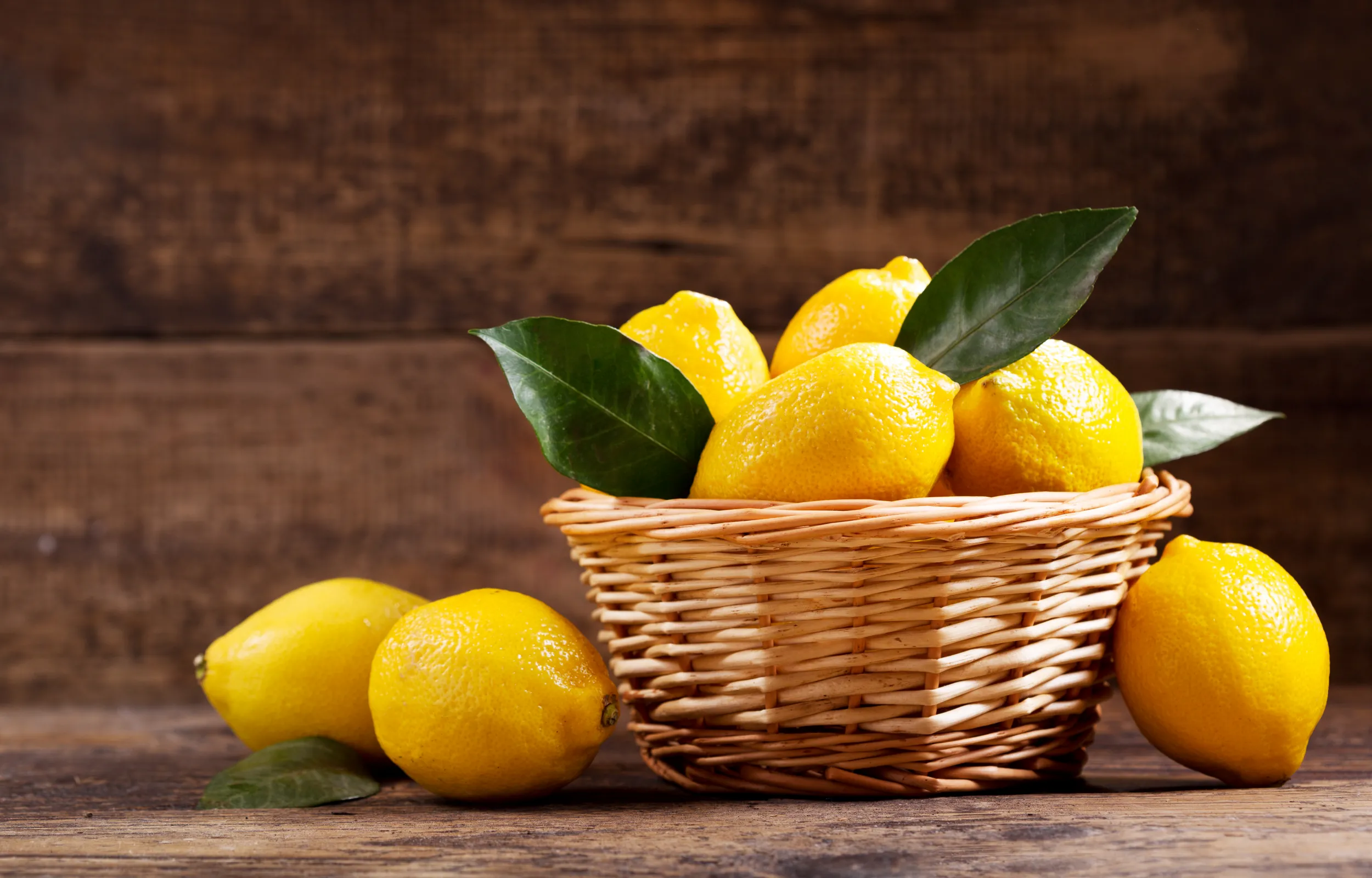
The natural approach involves using ingredients found around the house or derived from plants and minerals rather than synthetic chemicals. Its core principle isn’t destruction, but prevention, repulsion, and creating an environment that ants find undesirable — a method that aligns with sustainable gardening.
Most natural ingredients are household staples like vinegar, chili powder, lemon, dish soap, or eggshells. These pose minimal risk if accidentally touched, making them ideal for homes with kids or playful pets.
Natural solutions are usually biodegradable and leave no toxic residues in soil or water. They have minimal impact on helpful organisms like earthworms, bees, and beneficial soil microbes. Choosing this route is like protecting your entire garden ecosystem.
Natural methods typically don’t kill ants. Instead, they use strong smells like vinegar or essential oils, or physical barriers like chili heat or coarse eggshell powder, to discourage ants from staying.
Natural substances can be washed away by rain or watering, and their scents fade over time. When the barrier weakens, ants may return.
Sprinkling chili powder or spraying vinegar just once might repel ants for a day or two. To truly keep them away, repeat treatments every 2–3 days during active infestations, and once a week thereafter for maintenance. Over time, ants learn to avoid the area entirely.
Barrier and repellent agents: Strong smells or flavors like chili powder, cinnamon, coffee grounds, or peppermint oil.
Natural methods are holistic and require understanding, patience, and persistence. They may not offer instant results like chemicals, but they promise long-term solutions and a safe, family-friendly garden.
Now that you understand both approaches, the key question is: which one should you choose? As experts, we believe there’s no one-size-fits-all answer. The best solution is the one that fits your specific situation.
Ask yourself these four questions:
Go natural when you see 5–10 scout ants on a plant pot or its rim. Vinegar spray or chili powder should be enough to stop the spread.
If ants are in sensitive areas like kitchens, chemical use is a no-go. Use natural methods like soapy water or lemon peels in corners. In edible garden beds, where produce is consumed, stick to 100% natural treatments. For lawns or pet zones, safety comes first. Commit to regular applications to keep ants from settling.
If safety is your top priority and the problem is still manageable, natural is always the first and best choice.
Use this approach when natural methods have failed repeatedly, when you’re facing a massive colony or long, visible trails, or when dealing with fire ants, which are dangerous to humans. Quick eradication becomes necessary.
Also consider it if the colony is deep under concrete, inside walls, or structural areas where surface-level methods can't reach. Outdoor zones like garbage areas or fence lines far from the house may be safer zones for chemical use.
If the infestation is out of control, directly harmful, or resistant to other tactics, chemicals may be the necessary option. Use them with extreme caution and always follow label instructions.
The best solution isn’t picking one side, but combining both wisely. Start with natural methods, use chemicals only when truly necessary, and return to natural treatments for prevention.
For example, if you find a large fire ant nest in a lawn corner, carefully apply ant-killer powder directly at the nest entrance (spot treatment only). After 2–3 days, follow up with coffee grounds or diatomaceous earth around the area to prevent new colonies from forming.
This approach helps you resolve the issue decisively while preserving your garden’s long-term safety and balance.
In the end, whether you choose chemical or natural methods, the most important thing is to match the method to the situation, with full understanding. Knowledge is your best tool — it lets you handle most pest problems confidently.
If you’ve tried everything or the problem is too large to handle alone, the smartest move may be handing it over to the pros. Peace of mind often begins by letting experts do what they do best.
Ants may be small, but when they won’t go away, let Rentokil take care of it and bring comfort back to your home.