The Experts in Pest Control
Don't just imagine your business with no pests...experience pest-free with Rentokil.
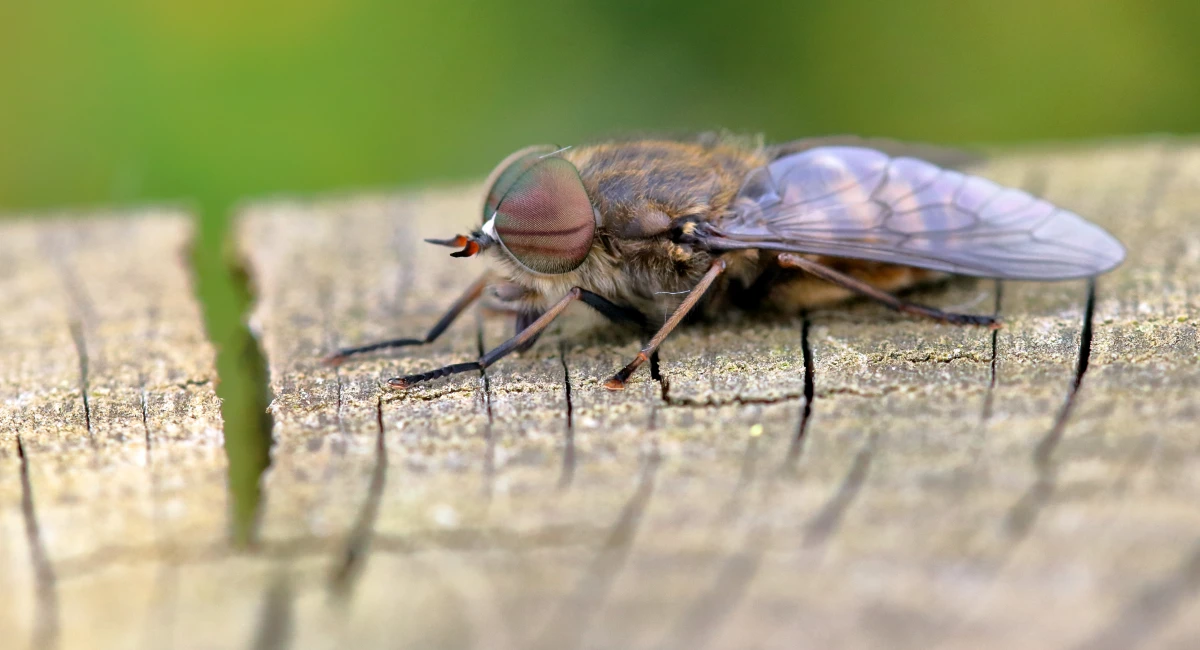
For hikers and camping enthusiasts, dealing with insect bites is an essential skill. But there’s one insect that can cause more pain than a mosquito and leave more persistent marks: the horsefly. With its painful bite and signature swelling and itchiness, it can turn an enjoyable trip into an uncomfortable experience. So what should you do when bitten by a horsefly in the forest or mountains? Let’s look at the steps for managing the situation and providing first aid to quickly relieve symptoms and get back to enjoying your adventure.
If mosquitoes are like stealthy pickpockets, horseflies are more like highway robbers that leave you hurting and marked. At a glance, they may resemble large houseflies, but horseflies are much tougher and faster. They’re notorious among nature travelers.
What makes their bites especially painful is their mouthparts, which aren’t needle-like but are more like tiny sharp blades that cut into the skin. Once the skin is split, the horsefly calmly laps up the blood. Their saliva contains anticoagulants that keep the blood flowing and also cause swelling, redness, and intense itching. Only females bite, as they need protein from blood to develop eggs. Males feed only on nectar.
You’ll usually find horseflies near water sources like streams, ponds, and wetlands, which are ideal egg-laying sites. They also thrive in meadows, forests, and livestock areas where large animals serve as blood hosts. Horseflies are most active on hot, sunny days. Understanding their behavior is the first key to preparing yourself before heading out on your next outdoor trip.
Horseflies aren’t everywhere but tend to thrive in environments that support their life cycle. Knowing where they are likely to be found can help you prepare and be more cautious. Water and animals are two major attractants. In general, the following areas are high-risk:
Horseflies are especially active during sunny, hot days. If your trip takes you to such places during these times, be well-prepared to face these bloodthirsty forest insects.
If you're bitten by a horsefly in the forest or while camping, don’t panic. Prompt and proper first aid is crucial. Follow these five simple steps to manage the situation and reduce symptoms as quickly as possible:
For business owners in the hospitality sector, whether running a resort, outdoor café, campsite, golf course, or livestock farm, horseflies are not just a nuisance. They pose a direct risk to your business.
Their bites can ruin the relaxation experience and lead to complaints or negative reviews, affecting your brand and revenue. In farms or stables, horsefly infestations can stress animals, cause injury from scratching, lead to weight loss, lower milk production, and increase the risk of infected wounds.
Common methods like outdoor fogging or indoor ULV misting may offer only short-term relief and don’t address the root cause. Effective control requires understanding the horsefly life cycle and using integrated strategies.
Rentokil, a global leader in pest control, understands how horseflies impact your business. We don’t just exterminate – we offer sustainable solutions through Integrated Pest Management (IPM) programs that are safe for your customers, staff, and the environment. If your business is facing horsefly problems, contact us for a free site inspection and tailored management plan designed for your specific property.