© 2026 Rentokil Initial plc and subject to the conditions in the Legal statement.
Although Thailand has made significant strides in controlling various diseases, some infectious illnesses remain a silent threat to the health of its people. Among these is malaria, a disease transmitted by the Anopheles mosquito, a notorious carrier often found in border areas.
According to the Department of Disease Control under the Ministry of Public Health, the malaria situation in Thailand in 2024 remains concerning, particularly in 10 provinces along the Thai-Myanmar border. As of June 9, 2024, over 8,999 cases of malaria have been reported. The provinces with the highest number of cases are:
- Tak (4,048 cases)
- Kanchanaburi (1,102 cases)
- Mae Hong Son (956 cases)
- Prachuap Khiri Khan (955 cases)
- Ratchaburi (500 cases)
The majority of cases involve Plasmodium vivax, a type of malaria parasite that, while less severe than Plasmodium falciparum, still causes significant discomfort. Symptoms include high fever, chills, headaches, fatigue, and a decline in overall quality of life. Key factors contributing to the persistence of malaria in Thailand include cross-border travel, working in forests or high-risk areas, and risky behaviors such as not sleeping under mosquito nets or failing to protect against mosquito bites.
Understanding the Anopheles mosquito, the primary vector of malaria, is crucial for effectively protecting yourself and your family. By learning about its characteristics, life cycle, breeding habitats, behaviors, and the diseases it carries, we can work together to control its spread. This article will delve into every aspect of the Anopheles mosquito, offering practical tips for staying safe from this dangerous pest.
Characteristics of the Anopheles Mosquito
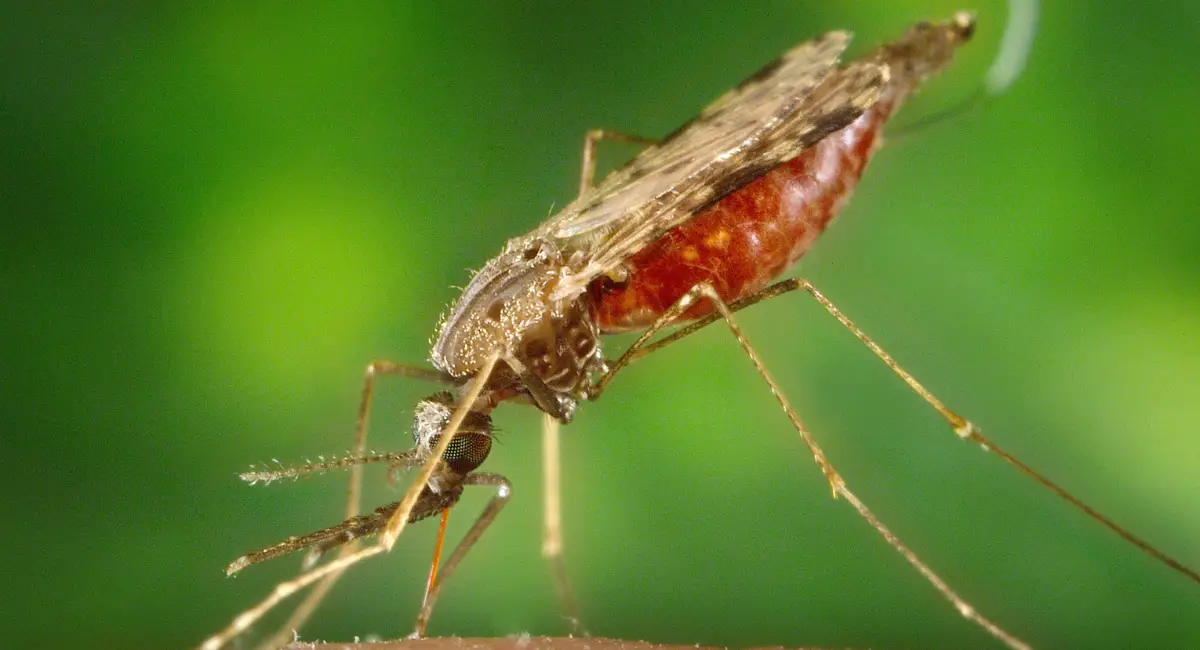
The Anopheles mosquito has several distinct features that make it easy to identify, even for non-experts. Here’s a closer look at its unique characteristics:
1. Resting Posture
Unlike other mosquito species that rest parallel to surfaces, the Anopheles mosquito rests with its body at a 45-degree angle, pointing its abdomen upward.
2. Body Appearance
The body is usually brown, though some species are black. The wings often feature black spots, giving them a patterned appearance. While its body size is similar to the Aedes mosquito, the Anopheles mosquito is slightly more slender and elongated.
3. Proboscis
Female Anopheles mosquitoes have piercing-sucking mouthparts and long sensory palps nearly as long as their proboscis, making it appear as though they have three "mouths." Male Anopheles mosquitoes, which feed on nectar, have bushy palps.
4. Legs
The legs are long and feature alternating black and white patterns, though some species may have brown and white markings.
5. Larvae
Anopheles larvae float parallel to the water’s surface, unlike Aedes larvae, which hang down in the water.
6. Breeding Habitats
Anopheles mosquitoes prefer clean, still water for laying eggs, such as:
- Containers with stagnant water
- Natural puddles
- Ponds
- Marshes
They avoid polluted water sources like sewage or drainage pipes.
7. Behavior
These mosquitoes are most active at night, particularly around dusk and dawn. Female Anopheles mosquitoes bite and feed on human and mammalian blood to obtain the protein needed for egg production. Common resting spots include bedrooms, under beds, dark corners, and inside closets.
Globally, there are over 460 species of Anopheles mosquitoes, with slight variations in appearance among species. Importantly, only female Anopheles mosquitoes bite and feed on blood.
Unveiling the Life Cycle of the Anopheles Mosquito
The Anopheles mosquito undergoes complete metamorphosis, experiencing four distinct life stages: egg, larva, pupa, and adult. Let’s take a closer look at each phase:
1. Egg Stage
Female Anopheles mosquitoes lay their eggs on the water's surface, forming clusters. The eggs are elongated, white, and resemble grains of rice. They hatch into larvae within 2-3 days, depending on temperature and humidity.
2. Larva Stage
The larvae live in water, feeding on tiny organisms and organic matter. Unlike other mosquito larvae, Anopheles larvae float parallel to the water's surface and breathe through a tube located at their tail end. This stage lasts about 7-14 days.
3. Pupa Stage
The pupae are larger than larvae and have a curved shape. They do not feed but instead breathe through two tubes on their heads. The pupal stage lasts 2-3 days before the adult mosquito emerges.
4. Adult Stage
Once fully developed, the adult mosquito emerges from the pupa and takes flight. Male Anopheles mosquitoes feed on nectar, while females require blood from humans or mammals to obtain the protein needed for egg production. Remarkably, female mosquitoes can lay eggs multiple times throughout their lifespan.
The life cycle of the Anopheles mosquito is relatively short, lasting around 1-2 weeks. Temperature and humidity significantly influence its growth rate. In warm and humid conditions, the mosquito’s development accelerates, allowing it to reproduce more rapidly.
Understanding the life cycle of this malaria vector is crucial in curbing its population and preventing the spread of disease.
Deep Dive into the Behavior of Anopheles Mosquitoes
Understanding the behavior of Anopheles mosquitoes can help us better protect ourselves from these disease-carrying pests. Here’s an overview of their unique habits:
Biting Habits
-
Only female Anopheles mosquitoes bite humans and animals, as they require blood to produce eggs. Male mosquitoes feed on nectar from flowers.
- Females are attracted to thin-skinned areas with many capillaries, such as folds of the skin, face, feet, and ankles.
- They are also drawn by scents, including sweat, carbon dioxide, and body odors.
- When biting, mosquitoes release saliva containing anticoagulants and substances that cause itching. It takes about 2-3 minutes for them to feed.
- Bites can result in redness, swelling, or even severe allergic reactions like breathing difficulties or chest tightness in rare cases.
- Anopheles mosquitoes are notorious vectors for diseases such as malaria, lymphatic filariasis, and encephalitis, which can lead to severe illness or death.
Flight Patterns
-
Anopheles mosquitoes have a limited flight range of 1-2 kilometers on average, though some species may travel farther.
- Female mosquitoes typically fly farther than males to locate blood sources for egg production.
- They generally fly close to the ground, around 10 meters above it, while searching for hosts or shelter.
- Anopheles mosquitoes exhibit a distinctive flight behavior called "swarming" during mating, often occurring at dusk near water or vegetation.
Feeding Times
-
Known as "nocturnal hunters," most Anopheles mosquitoes are active during the evening (after sunset) and pre-dawn (before sunrise).
- These times offer cooler temperatures and higher humidity, ideal for their activity.
- Mosquitoes are attracted to light at night, making indoor lighting a factor in mosquito activity.
- Some species adapt to dimly lit environments, such as dark bedrooms or under beds.
Preferred Habitats
-
Indoors: Mosquitoes favor bedrooms, under beds, dark corners, or wardrobes, as these areas offer a cool, humid environment and proximity to hosts.
- Outdoors: During the day, they hide in shaded, cool areas like under leaves, in tree hollows, or crevices. Some species prefer dense forests or grassy areas near water sources.
Breeding Grounds
-
Anopheles mosquitoes prefer laying eggs in clean, still, or slow-moving water such as natural pools, ponds, marshes, or containers like jars, tanks, and tires.
- Some species prefer water with aquatic plants, which provide camouflage and food for larvae.
By studying the habits of Anopheles mosquitoes, we can implement more targeted control strategies to reduce their populations and prevent diseases.
Understanding the differences in mosquito breeding preferences can help target effective mosquito control measures. Below is a comparison of the egg-laying habits of Anopheles, Aedes, and Culex mosquitoes based on water conditions and breeding locations:
|
Water Characteristics |
Anopheles Mosquito (e.g., malaria vector) |
Aedes Mosquito (e.g., dengue vector) |
Culex Mosquito (e.g., filariasis vector) |
|
Water Cleanliness |
Clean water |
Clean water |
Dirty water |
|
Water Movement |
Still or slow-moving water |
Still water |
Still or slow-moving water |
|
Preferred Locations |
Containers, natural pools, ponds |
Containers, cans, discarded tires |
Drains, stagnant water, septic tanks |
|
Examples |
Vases, jars, basins, rainwater pools |
Plant saucers, water tanks, bottle caps |
Polluted water, ditches, sewage tanks |
Anopheles Mosquitoes: Deadly Carriers of Malaria
Anopheles mosquitoes are not just tiny, buzzing insects that leave behind itchy bites. They are also carriers of one of the deadliest diseases known to humanity—malaria. These mosquitoes have been responsible for countless deaths worldwide, underscoring the seriousness of their role in disease transmission.
Malaria is caused by a parasite called Plasmodium, which resides in female Anopheles mosquitoes. When an infected mosquito bites a person, the parasite enters their bloodstream and causes various symptoms, including high fever, chills, headaches, and fatigue. Severe cases can lead to complications such as cerebral malaria, kidney failure, liver damage, or even death.
- Symptoms of Malaria
Once bitten by an infected mosquito, Plasmodium parasites enter the bloodstream and begin their lifecycle within the human body. Symptoms typically appear 10–15 days after the bite but can sometimes take months to develop. The severity of symptoms depends on the type of parasite, the patient’s immune system, and how long they have been infected.
Common Symptoms:
- Fever: High fever is the most common symptom, often accompanied by chills and recurring cycles of fever.
- Headaches: Severe headaches, similar to migraines.
- Muscle aches: Generalized body pain, resembling flu symptoms.
- Fatigue: Extreme tiredness and lack of energy.
- Nausea and vomiting: Some individuals may experience these symptoms.
- Diarrhea: In rare cases, diarrhea may occur.
Severe Symptoms and Complications:
In cases where the parasite count is high or the immune system is weak, the infection can progress to severe complications, including:
- Cerebral malaria: Parasites infect the brain, causing confusion, seizures, unconsciousness, and potentially death.
- Anemia: Parasites destroy red blood cells, leading to symptoms like pale skin, fatigue, and heart palpitations.
- Kidney failure: Impaired kidney function results in reduced urine output, swelling, and exhaustion.
- Liver failure: Liver damage causes jaundice, abdominal swelling, and other symptoms.
- Pulmonary edema: Fluid buildup in the lungs leads to difficulty breathing, coughing, and excessive mucus.
Other symptoms can include joint pain, excessive sweating, and small hemorrhages under the skin.
Without prompt treatment, malaria can have lasting consequences, such as chronic anemia, malnutrition, developmental delays in children, and, in extreme cases, death. Early diagnosis and treatment are critical to preventing these outcomes.
-
Treatment of Malaria
While malaria is a severe disease, it is curable if diagnosed and treated promptly. The main goal of treatment is to eliminate the Plasmodium parasite from the body and prevent complications.
Diagnostic Process:
Doctors typically conduct a patient history, physical examination, and blood tests to confirm a malaria diagnosis and identify the specific parasite species. This step is essential for determining the appropriate treatment plan.
Medications:
Antimalarial drugs are the cornerstone of malaria treatment. The choice of medication depends on the type of parasite, the severity of the disease, the patient’s age, and their overall health. Commonly used drugs include:
- Artemisinin and its derivatives: Highly effective against Plasmodium falciparum, the most dangerous strain of the parasite.
With timely medical care and adherence to treatment, malaria can be completely cured, reducing the risk of severe outcomes and saving lives.
-
Impact of Malaria on Quality of Life, Work, and Community Economy
Malaria doesn't only affect the physical health of those who contract it; it also has a broader impact on their quality of life, work productivity, and the overall economy of the community, particularly in areas with ongoing outbreaks.
Deterioration of Quality of Life
The symptoms of malaria are far from mild; they include severe fever, chills, intense headaches, fatigue, and in some cases, seizures and confusion. These symptoms significantly impair daily activities, as patients are unable to engage in routine tasks due to physical weakness and illness. The continuous cycle of illness, especially in cases of relapsing malaria like Plasmodium vivax, can lead to repeated episodes of sickness, weakening the body and lowering immunity. This increases the risk of contracting other diseases, creating a cycle of recurrent illness.
Moreover, the emotional toll is also significant. Malaria not only affects physical health but also mental well-being. Patients may experience anxiety, depression, hopelessness, and frustration, further deteriorating their quality of life.
Disruption of Work and Decreased Productivity
When community members fall ill with malaria, they often have to take time off work, leading to a shortage of labor, which directly impacts sectors such as agriculture and manufacturing, where manual labor is essential. Even if some workers attempt to continue working despite the illness, symptoms like fatigue and fever reduce their concentration, leading to mistakes, lower efficiency, and subpar work performance.
This disruption can also impact education, as affected individuals may have to skip school or lose opportunities for career advancement. As a result, this can further harm their income potential and long-term economic prospects.
Economic Stagnation and Development Setback
Treating malaria comes with significant costs, including medication, transportation, and lost time. These financial burdens become a strain on both families and the government, creating an economic "burden" for households and the public health system. When community members are unable to work due to illness, household income declines, which in turn reduces spending power and affects local economic activity.
The cumulative effect of widespread malaria outbreaks can lead to a stagnation in economic development, hampering growth and further deepening poverty, especially in vulnerable communities.
Preventing Malaria-Carrying Mosquitoes: A Community Effort for a Malaria-Free Future
Preventing malaria requires community collaboration, as seen in the campaign "Zero indigenous malaria is possible." The goal is to eliminate malaria entirely in Thailand.
Eradicating Breeding Grounds
Communities are encouraged to participate in "Big Cleaning Day," where they eliminate mosquito breeding sites like stagnant water and debris. This includes practical steps such as covering containers, changing water in vases, and using fish to control larvae.
Protecting Vulnerable Groups
Families, especially those with children, pregnant women, and the elderly, are encouraged to use insecticide-treated nets. Communities with limited resources receive nets to ensure protection.
Empowering Communities
Providing knowledge about mosquito life cycles and prevention methods helps communities actively participate in eliminating malaria.
Modern Technology to Combat Malaria-Carrying Mosquitoes
The battle against mosquitoes that carry deadly diseases like malaria is evolving beyond traditional insecticides and mosquito nets. With advanced technologies, there are now more effective, sustainable, and eco-friendly ways to control and eliminate mosquitoes. These technologies fall into four main categories:
1. Biological Technology: Harnessing Nature to Control Mosquitoes
Biological methods use natural substances or organisms to target mosquito larvae without harming the environment.
- Bacteria like Bacillus Thuringiensis Israelensis (Bti) and Bacillus Sphaericus (Bs) release toxins that are lethal to mosquito larvae but pose no threat to humans, animals, or ecosystems. These bacteria are commonly used to target breeding areas like stagnant water.
- Natural Plant Extracts: Plants such as neem and lemongrass are utilized for their mosquito-repelling properties. These natural extracts can be used as repellents or larvicides, providing an eco-friendly alternative to chemical solutions.
These biological techniques are part of an integrated mosquito control strategy that minimizes environmental impact while effectively reducing mosquito populations.
2. Genetic Engineering: Altering Mosquitoes to Cut Disease Transmission
Genetic engineering offers a cutting-edge approach to control mosquito populations and prevent the spread of diseases. Scientists have developed several techniques to modify mosquitoes genetically:
- Sterile Male Mosquitoes: By genetically modifying mosquitoes to produce sterile males, these mosquitoes cannot reproduce. When they mate with females, no eggs are laid, drastically reducing the mosquito population over time.
- Gene Editing to Block Disease: Genetic modifications can also be used to insert genes into mosquitoes that prevent them from carrying and transmitting diseases like malaria. For example, scientists can introduce genes that make mosquitoes immune to the malaria parasite, thereby reducing their ability to spread the disease.
This method targets the root cause of malaria transmission, cutting the spread of the disease at its source by controlling mosquito populations more effectively.
3. Mosquito Control Devices: Innovative and Efficient Methods
New mosquito control devices use advanced technologies to attract, trap, and eliminate mosquitoes. These devices are designed to be more efficient and safer than traditional methods.
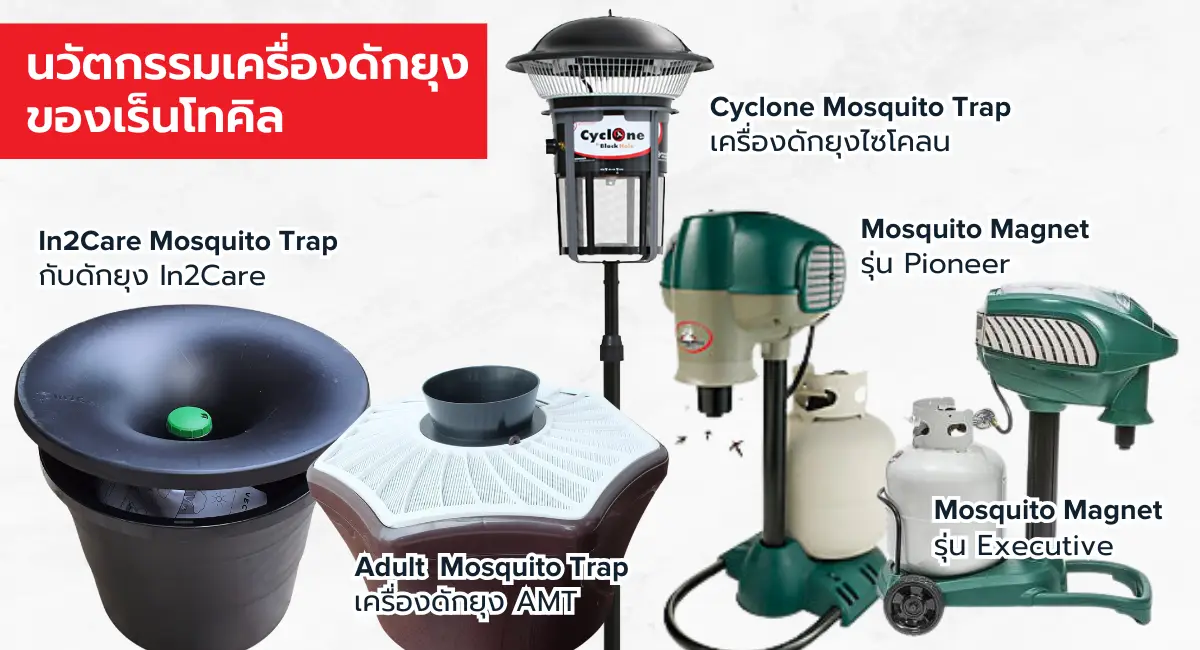
- Smart Mosquito Traps: These devices use a combination of light, color, scent, and carbon dioxide to attract mosquitoes. Some popular models include the Excutive, Pioneer, and Black Hole Cyclone traps by Rentokil. These traps emit carbon dioxide, which mimics human exhalation and draws mosquitoes in.
- Adult Mosquito Traps: These traps attract mosquitoes using synthetic compounds that replicate the smell of human sweat, further enhancing their effectiveness in capturing mosquitoes. These devices offer high efficiency in capturing and killing mosquitoes, significantly reducing their population in targeted areas.
These technologies help to reduce mosquito populations without the need for harmful chemicals or extensive environmental changes.
4. Integrated Mosquito Management: Combining Methods for Maximum Effectiveness
Integrated mosquito management (IMM) is an approach that combines various methods to control mosquitoes in a comprehensive and sustainable way. This strategy combines biological, genetic, and mechanical methods to create a robust solution for mosquito control.
- Eliminating Breeding Sites: IMM involves cleaning up potential mosquito breeding grounds, such as stagnant water and discarded containers.
- Using Mosquito Traps: Advanced traps, like those mentioned above, play a key role in reducing mosquito numbers by capturing and killing them.
- Fogging: Fogging involves using insecticide sprays to eliminate mosquitoes in high-risk areas, especially where breeding sites are difficult to control.
Rentokil is a leader in this field, offering a variety of mosquito control products and services, such as the In2Care Mosquito Trap, which combines several techniques in one product. This integration ensures that mosquito control is both efficient and safe.
By combining advanced technologies, genetic engineering, and effective management strategies, it is now possible to take a more proactive, sustainable, and environmentally friendly approach to combating malaria-carrying mosquitoes. This holistic approach not only reduces the risk of malaria but also contributes to the long-term protection of communities.