6 High-Risk Areas in Your Home/Building Where Pigeons Like to Nest

Although pigeons may seem like harmless, docile creatures on the outside, did you know that these feathered friends can unexpectedly become "uninvited guests" causing significant problems for your home and building? From annoying noise, messy droppings, to spreading diseases and property damage, pigeons can create quite a nuisance.

One of the biggest problems homeowners often face is that pigeons tend to build their nests in hard-to-reach, hidden places, making it difficult to control them. When left unchecked, small issues can snowball into major burdens later on.

Therefore, it’s crucial to regularly inspect potential areas where pigeons may build their nests around your home or building to prevent future problems, reduce damage to your property, and most importantly, ensure the health and hygiene of everyone in the household. This article will guide you through the 6 most common high-risk spots where pigeons tend to make their homes, along with tips on how to inspect and prevent pigeon infestations, so you can enjoy a clean, safe, and pigeon-free space.

Why Pigeons Choose Certain Nesting Locations

Pigeons are adaptive, intelligent birds capable of finding new places to live. Their choice of nesting spots is influenced by several factors, primarily focusing on safety, comfort for raising their young, and food availability. Let’s break it down:

  1. Physical Characteristics of the Location By nature, pigeons tend to nest on high cliffs. In urban environments, they often choose places that resemble these natural nesting spots, such as narrow gaps in tall buildings, eaves, or under bridges. These locations protect them from predators and strong winds. Pigeons also seek shelter to protect them from the sun, rain, and other dangers, often settling in crevices, on rooftops, or under solar panel installations. They also favor strong materials suitable for building their nests, like branches, grass, or scraps of cloth.
  2. Food Sources Pigeons prefer to build their nests near food sources like markets, temples, parks, or restaurants for easy access to food for their young. Additionally, water is essential for pigeons, so they often choose locations near water sources such as rivers, canals, or ponds.
  3. Safety Despite being familiar with humans, pigeons still seek privacy and safety from potential threats. Hence, they tend to nest in hard-to-reach places, far from predators like cats, dogs, or snakes.

Pigeons’ ability to adapt shows their resourcefulness in surviving even in a large urban environment. Understanding these behaviors helps us prevent and manage pigeon problems more effectively.

Most Common Pigeon Nesting Areas

Though pigeons can nest in various places, they tend to favor locations with three key features:

  1. Height and Stability Pigeons prefer to build nests in elevated areas to avoid natural predators and potential dangers. The location must also be stable and not easily shaken, such as gaps between tall buildings, under roofs, or along eaves. These secure spots ensure their nests remain safe and intact.
  2. Privacy and Security Pigeons look for spaces that offer privacy and a sense of safety to care for their young. They favor secluded spots like corners, crevices, or narrow spaces that help conceal them and protect them from external dangers.
  3. Proximity to Food and Water Since pigeons need food and water for survival and to care for their young, they tend to nest near food sources like markets, temples, or restaurants where they can easily find scraps. Water sources like rivers or ponds are also essential for them.

Pigeon Nesting Areas Inside Buildings

While we’re familiar with seeing pigeons nest on rooftops or eaves, did you know that pigeons can also nest inside buildings? Particularly in tall buildings or those with multiple entry points, pigeons often find their way in. Many homeowners and building owners overlook this issue, assuming the indoors are safe, but pigeons can easily slip through small openings or enter through open windows and doors.

Imagine pigeon droppings, feathers, or even pigeons themselves inside your home or office. It’s not only unsightly but also poses health risks. Pigeons are carriers of diseases, which can affect the health of people inside the building. Let’s take a look at the common spots inside buildings where pigeons like to nest and how we can prevent it.
ช่องระบายอากาศ
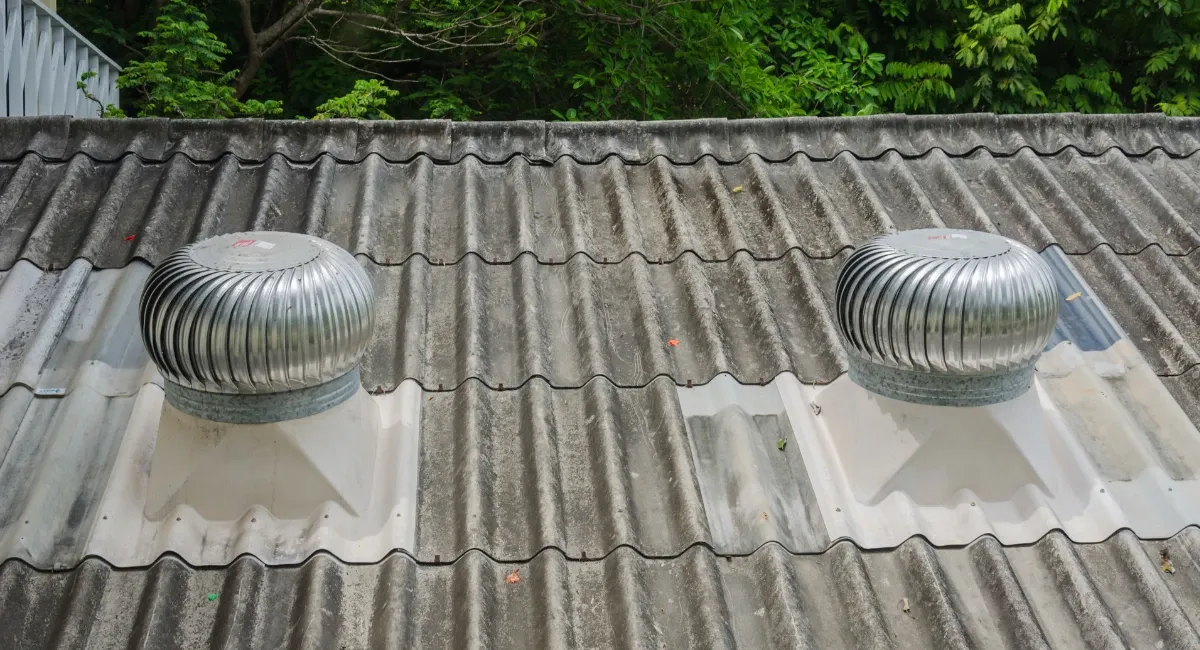
  1. Ventilation Ducts Ventilation ducts are a favorite nesting spot for pigeons inside buildings for several reasons. These ducts are often the right size for pigeons to enter and exit easily. Some may have grilles, but if they are damaged or have large holes, pigeons can easily slip through. Additionally, ventilation ducts connect to the building's interior, providing a warm environment that's ideal for nesting and raising young, away from predators and harsh weather.

    Inside these ducts, pigeons find a narrow, dark space, which makes them feel safe and hidden from danger. Dust, leaves, and debris inside the ducts often become perfect nesting materials for pigeons.

    Pigeons tend to nest in old, damaged ventilation ducts with cracks or large gaps, or those located in places where pigeons can easily access them, such as near windows, balconies, or eaves. To prevent pigeons from nesting in these areas, regularly inspect and repair any cracks or holes, install mesh or netting over vents, and clean out any debris that may serve as nesting material.
     
  2. Balconies Balconies are another popular spot for pigeons to nest inside buildings, especially those that aren’t equipped with netting, mesh, or glass. This makes it easy for pigeons to enter and exit. If the balcony is spacious with areas to walk or fly, it becomes an even more attractive spot for pigeons.

    Items left on the balcony, such as potted plants, crates, boxes, or furniture, provide shelter and materials for pigeons to build their nests. Additionally, if food scraps are left on the balcony, they attract pigeons looking for easy meals. Balconies close to water sources, like a water basin or rain gutter, are also appealing to pigeons as they offer both nesting sites and access to water.

    To prevent pigeons from nesting on balconies, install netting, mesh, or glass barriers to restrict their access. Keep the area clean and free of food scraps. If possible, use bird deterrents like CD discs, mobile devices, or scarecrows to keep pigeons away.
     
  3. Roof Corners Roof corners are another hidden spot where pigeons often build nests inside buildings, especially in homes with complex roof structures or large attic spaces. These areas are quiet, private, and far from human activity, which makes them ideal for pigeons to feel safe and build nests. The roof provides protection from the sun, rain, and wind, and the attic typically offers a warm and dry environment perfect for raising young pigeons.

    Additionally, roof spaces often contain materials like dust, twigs, or dry leaves, which pigeons can use to build their nests.

Pigeons prefer roof corners that are hard to reach, dark, and secure. They tend to settle near entry points like ventilation ducts or cracks in the roof, making it easier for them to come and go.

To prevent pigeons from nesting in these areas, regularly inspect your roof for cracks or holes, seal any gaps, and install mesh barriers to prevent entry. Additionally, remove any materials that could serve as nesting materials.
ต้นไม้ใหญ่

Pigeon Nesting Areas Outside Buildings

Pigeons are common in large cities, where they have adapted to urban life and can easily find food and shelter. Pigeons often nest on buildings and homes, creating a nuisance for many people. The areas outside buildings that pigeons prefer to nest in are typically safe, accessible, and close to food sources.

Here are some common outdoor nesting spots you may find around your property.

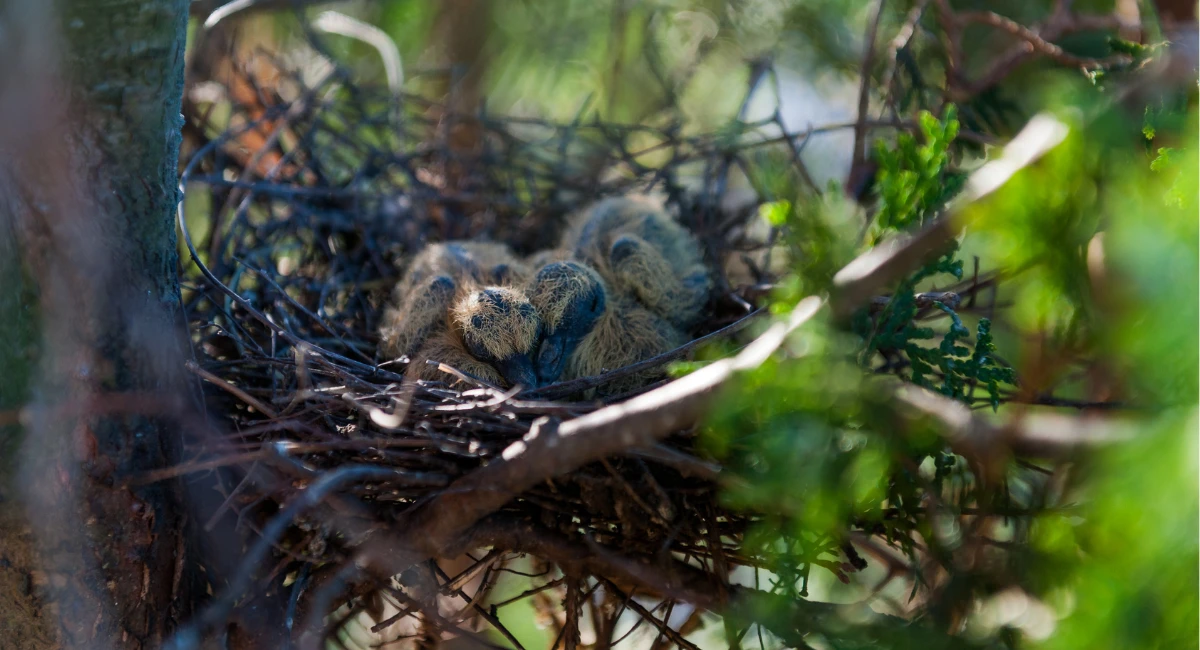
  1. Large Trees While pigeons prefer elevated areas like eaves or building gaps, large trees are also an excellent spot for them to nest. Especially trees that provide ample shade, have many branches, and offer protection from the sun and rain.

    These trees also shield pigeons from predators and provide enough space for building nests. Trees near food sources, like parks, residential areas, or near homes where people feed the birds, are particularly attractive to pigeons.

    Pigeons avoid trees with sharp thorns, as they may cause injury. Though pigeons adapt well to city life, they are naturally wild birds that prefer to nest in trees for safety from ground predators.

Don't let your home or property become a place for pigeons to party. Regularly check these 6 risk areas to protect your home from dirt, noise, and potential diseases. If you encounter pigeon problems, don't wait! Rentokil, the experts in pigeon control services, is ready to help you tackle the issue effectively. With professional, safe, and efficient services,

Rentokil is your trusted solution. Contact Rentokil today for a clean, safe, and worry-free environment, free from pigeon concerns.

The Experts in Pest Control

Don't just imagine your business with no pests...experience pest-free with Rentokil.

Get Free Survey Now!