The Experts in Pest Control
Don't just imagine your business with no pests...experience pest-free with Rentokil.
A sharp, high-pitched sound echoes from the ceiling, attic, or even the kitchen. This familiar noise likely sends chills down many people's spines because it signals that a "mouse" — an unwelcome, mischievous guest — has sneaked into your home again to establish its territory. Of course, many of us would like to get rid of these pesky mice as quickly as possible, but did you know that choosing the wrong method to chase them away could negatively impact the health of people, pets, and the environment?
This article presents five safe and eco-friendly methods to effectively eliminate mice from your home, so you can do so with peace of mind while maintaining harmony with nature.
Has your home ever had a mouse problem? Many people have experienced the nuisance of these small rodents that sneak into our homes, causing damage to belongings and even spreading diseases. However, before reaching for mouse traps or poisons, it’s important to consider the safety of everyone in the house, including other pets, as well as the impact on the environment.
Here are five safe, non-harmful methods to help you say goodbye to your unwanted mouse guests in a way that’s environmentally friendly too. Let’s take a look.
Baking soda is a safe and non-toxic method for repelling mice, which is also environmentally friendly. Here's how it works: When mice ingest baking soda, it reacts with the acid in their stomach, producing carbon dioxide gas. This causes discomfort and bloating, potentially leading to their death. Baking soda also irritates the mouse’s respiratory system, causing coughing, sneezing, and breathing difficulties, prompting the mouse to avoid the area.
The benefits of using baking soda include its safety for people, pets, and the environment, as well as its affordability compared to chemical rodent poisons. It’s also easy to use — simply sprinkle it in areas where mice are known to frequent.
To use baking soda, sprinkle it lightly in areas where mice are likely to pass, such as along corridors, corners of rooms, behind furniture, or under sinks. You can also mix it with food that mice enjoy, like peanut butter or bread, to lure them in. Be sure to clean the area regularly and replenish the baking soda every 2-3 days.
Keep baking soda out of reach of children and pets, and if you have young children or pets, sprinkle it in areas that are hard for them to access. Avoid letting baking soda get into their eyes or be inhaled. Although baking soda is safe, it should still be used with caution, in conjunction with other methods such as sealing entry points and eliminating food sources, to improve the effectiveness of repelling mice and preventing them from returning.
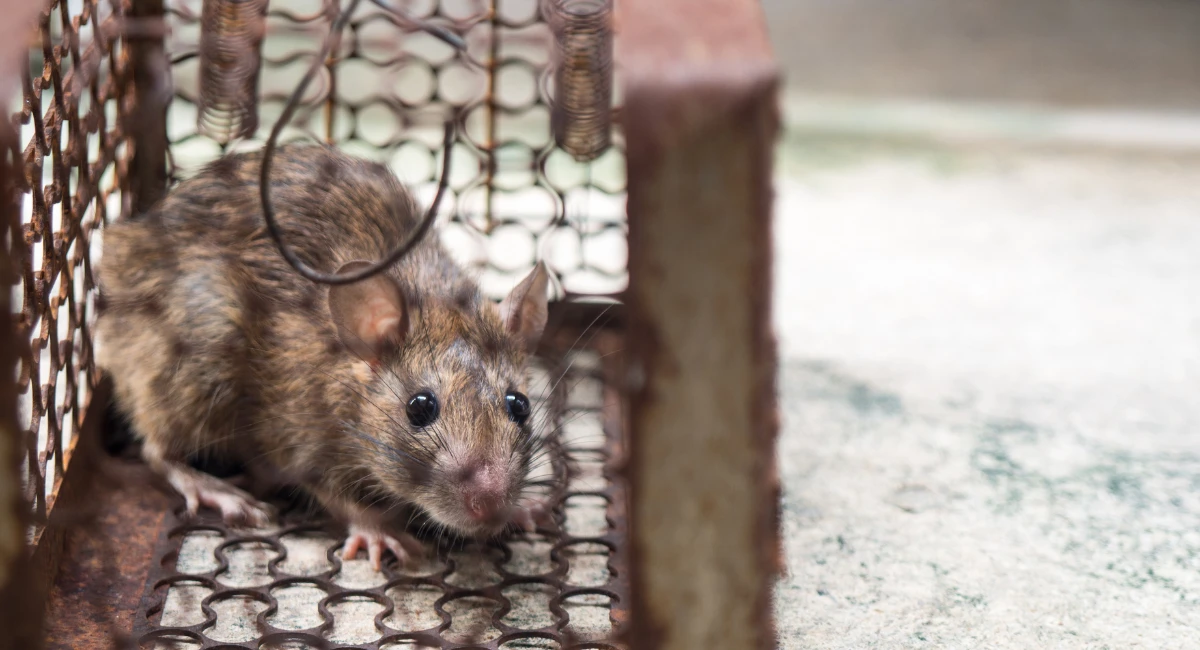
Mouse trap cages provide a "catch and release" method with a very high safety profile. They are non-harmful to people, pets, and the environment, and they don’t cause the mouse any suffering. These traps are designed with special mechanisms that automatically close when a mouse enters the cage to eat the bait, trapping the mouse inside.
You don’t need chemicals or poison, making it safe for everyone in the home, including pets, and it won’t harm the environment. The mouse will simply be contained in the cage, allowing you to release it into the wild. The cages are easy to use — just place bait inside and set the trap where mice are likely to pass by.
After catching a mouse, you can clean the cage and reuse it. There are various sizes available to suit different types of mice.
To use the mouse trap cage, place bait such as rice, bread, meat, or fruit in the cage. Then, position the cage in areas where mice are active, such as along hallways, behind furniture, or under sinks. Check the trap at least once a day. After catching a mouse, release it far from your home, in places like forests or fields.
Remember to clean the cage after each use to prevent the spread of germs. Wear gloves when handling the trap and the mouse to avoid exposure to potential diseases, and place the trap where pets such as dogs or cats cannot reach it. In summary, mouse trap cages are a convenient, safe, and effective method for handling mice. Try using them, and you'll surely be able to say goodbye to your mouse problem.
Hiring a professional rodent control service from a company with expertise, such as Rentokil, is another safe option that provides sustainable results and peace of mind.
Why is Rentokil safe and non-harmful? Rentokil is a global leader in pest control, with years of experience and expertise in effectively eliminating mice. They prioritize the safety of people, pets, and the environment. Their trained experts understand mouse behavior and can analyze infestations, identify signs, and plan targeted solutions like bait stations and glue traps.
Rentokil uses safe, effective, and certified rodent control chemicals. Their full-service approach includes everything from inspection and analysis to planning, execution, and follow-up to prevent mice from returning.
The advantage of using Rentokil’s services is that you don’t need to spend time or energy dealing with the mice yourself. You can be confident that the problem will be addressed precisely and efficiently, with no concerns about the risks of chemical exposure or mouse traps. More importantly, Rentokil helps prevent mice from coming back, keeping you safe and worry-free.
Rentokil’s services are ideal for homes with rodent issues, businesses such as restaurants, hotels, hospitals, and factories that need to control and prevent rodents for health and safety reasons.
Strong-smelling herbs are another safe, non-toxic, and environmentally friendly method for repelling mice. Since mice have highly sensitive noses, the pungent smells of certain herbs drive them away.
Popular herbs for repelling mice include:
To use these herbs, you can plant them around your home or place the fresh leaves in areas where mice are likely to pass, such as in corners, behind furniture, or under sinks. You can also use essential oils like peppermint or lemongrass by placing a few drops on cotton balls and placing them in key areas. Alternatively, boil the herbs in water, strain the liquid, and spray it in areas where mice are active.
The benefits of using herbs to repel mice are clear: they’re harmless to people, pets, and the environment. Herbs are easy to find in local markets or can be grown at home. They're also cheaper than chemicals or other mouse-repelling devices, and they naturally decompose without polluting the environment.
However, some people may find the scent of certain herbs overpowering, so it’s important to choose herbs that you and your household can tolerate. Before using the herbs, it’s a good idea to test for any allergic reactions by applying them to your skin.
We recommend regularly replacing the herbs to maintain their potency and effectiveness. Other pungent herbs, like garlic, kaffir lime leaves, or noni fruit, can also be used to repel mice.
Mouse repellent pellets have been around for a long time, but they may not always be safe. Most of these pellets contain naphthalene (mothballs), which has a strong odor that mice find unpleasant. However, naphthalene is a toxic substance that, if inhaled or touched for prolonged periods, can cause dizziness, nausea, and irritation to the respiratory system, eyes, and skin. Small children or pets may even ingest the pellets, which could be harmful.
Furthermore, naphthalene is slow to decompose and may remain in the environment, posing risks to other wildlife. Mice may also develop resistance to the smell, rendering the pellets ineffective in the long run.
If you must use mouse repellent pellets, choose those made from natural extracts and carefully read the labels before use. Place the pellets in areas that are inaccessible to children and pets, and avoid placing them near food or water sources. Always wear gloves and a face mask when handling them to minimize exposure.
Don’t let little mice become a big problem. Stop worrying about the noise, bad smells, and health risks. Try these 5 tips to say goodbye to pests and choose the method that’s right for your home to bring back happiness, safety, and good hygiene for everyone in the family.
But if you want a quick, convenient, and effective solution with lasting results, leave it to the professionals! Rentokil is here to help you tackle rodent issues safely and effectively with our expert team and advanced technology. Contact Rentokil today for a clean, safe, rodent-free home.