myRentokil
myRentokil login© 2026 Rentokil Initial plc (M) Sdn Bhd Registration No: 197201001250 (12889-M). Subject to the conditions in the Legal statement
Whether it's leftover scraps, food spills or unsealed food products, rats can easily find something to eat in restaurants. Meanwhile, the warm and sheltered environment often found in restaurant storage rooms and under appliances gives them a safe place to live and reproduce. These conditions make rats a common problem in restaurant environments — posing serious problems for restaurant owners as these pests can contaminate food, transmit diseases and cause significant business disruptions and even closures.
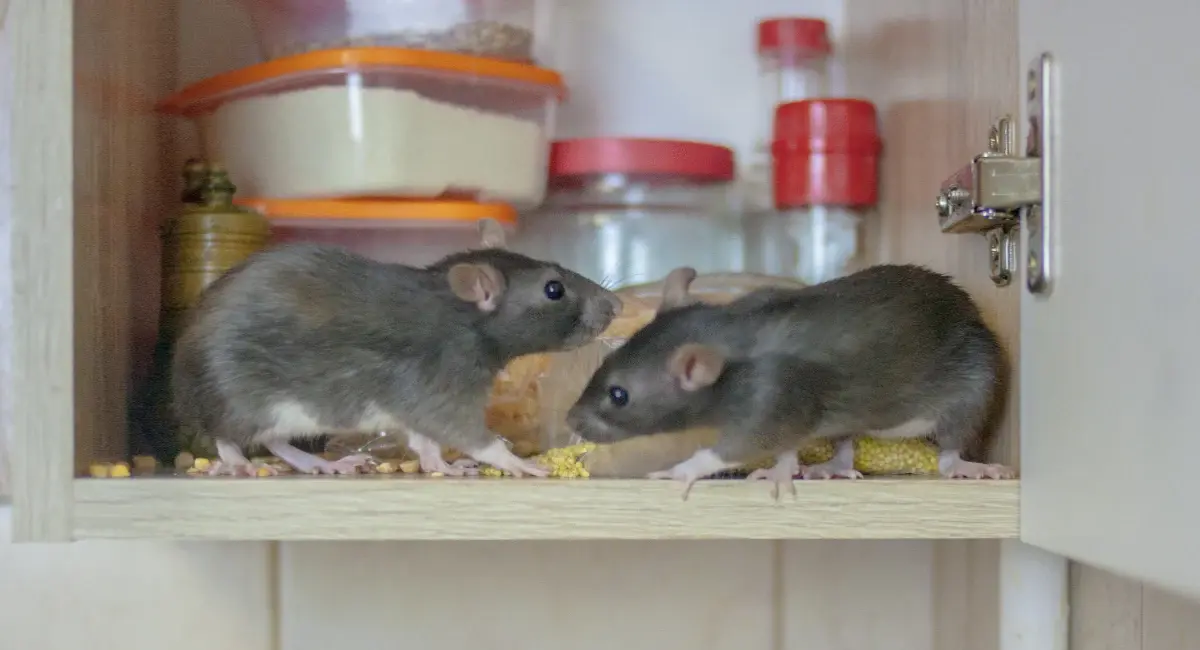
Effective pest control is essential for restaurants. It gives business owners confidence that the food they serve is safe and of good quality. It also helps to protect the business’s reputation and keep operations running smoothly.
Read on as we discuss what restaurant owners can do to prevent and control rats in their establishments.
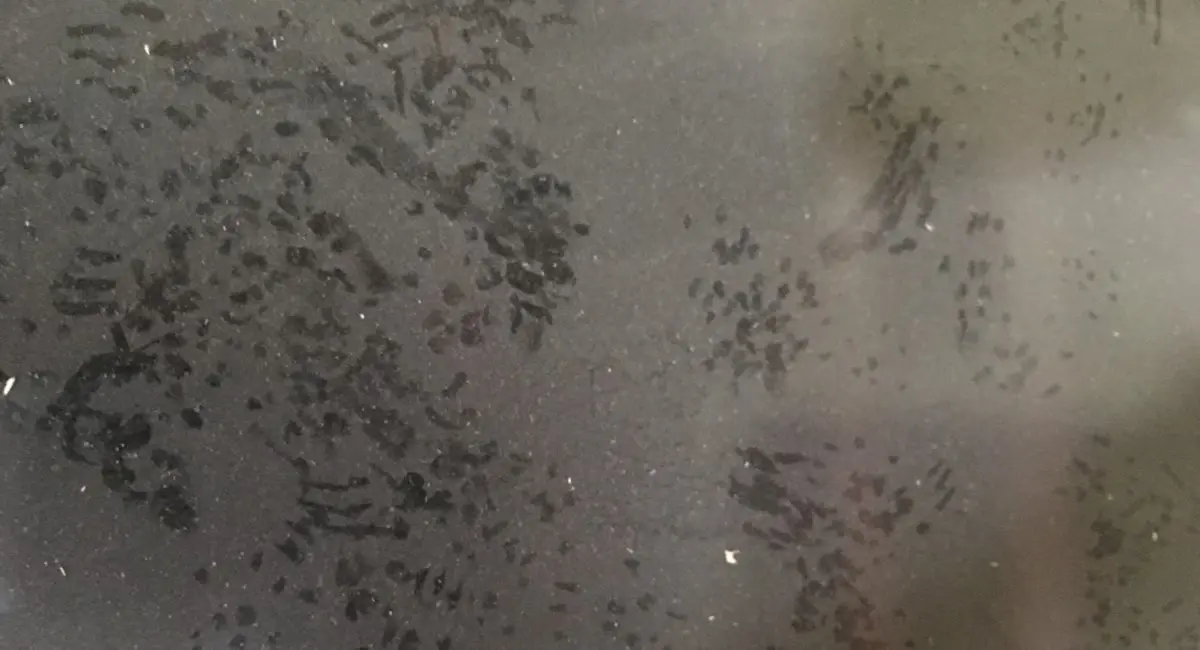
The sooner the signs of a rat infestation are spotted, the better, to prevent extensive damage and potential health risks, restaurant owners should train their staff to recognise the signs of rat activity. These can include:
To effectively prevent rats, restaurants need to combine good food hygiene practices with pest-proofing measures that make the physical environment less conducive to rat infestations. Let’s get into some of the measures you can take to prevent rats.
Ensure that all rubbish bins are securely covered and waste is regularly removed from the restaurant to prevent attracting rats with food smells. Regular cleaning and disinfecting of bins and the area around them — from trash to food scraps and liquid spills are crucial to minimise odours that could attract pests.
A clean kitchen is less attractive to rats. Implement strict cleaning protocols, ensuring that floors are swept and mopped daily and surfaces are free of food residues. Equip your staff with the right cleaning tools and supplies to maintain a high standard of hygiene.
Conduct a thorough inspection of your restaurant to identify and seal potential entry points for rats. Pay close attention to gaps around doors, windows and utility pipes that can provide easy access to rats. Sealing these gaps with appropriate materials like steel wool or caulking can significantly reduce the risk of infestation.
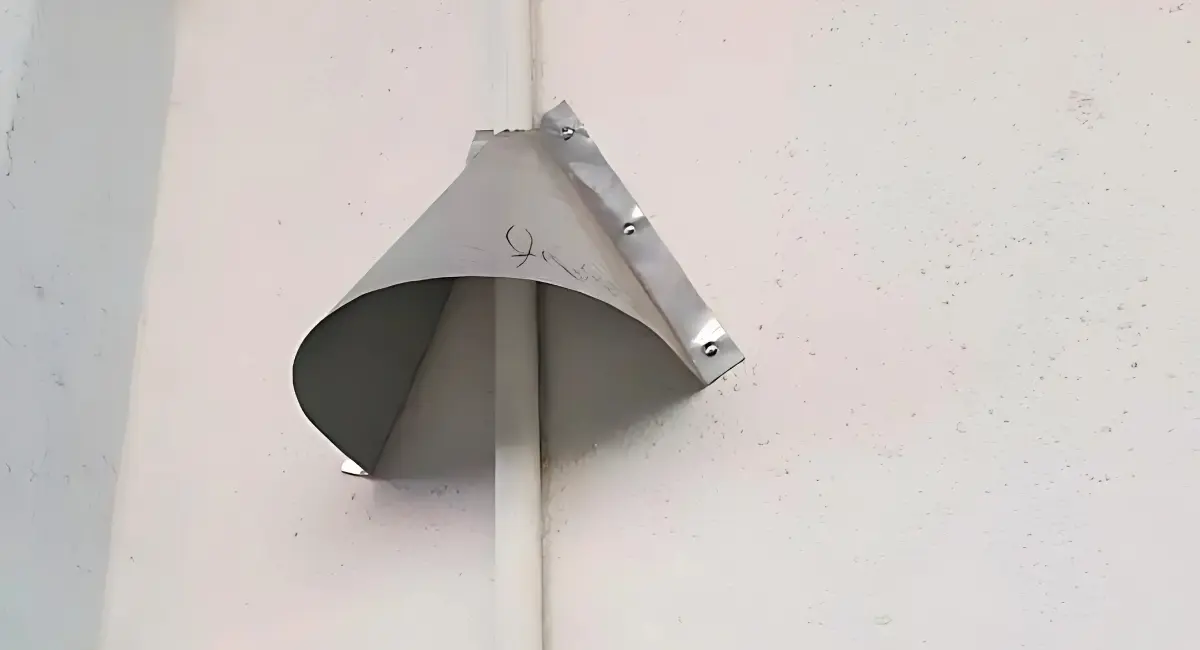
Rentokil Rat Guard, Rodent Proofing Solution to stop rats from climbing and accessing property using pipes
4. Organise and secure storage areas
Avoid clutter, especially in storage areas where food and supplies are kept. Store items off the floor and away from walls to minimise hiding spots for rats. Use containers with tight-fitting lids to store food products, reducing the availability of food sources for rodents.
While preventative measures are essential to ward off rats, sometimes active control methods may be necessary:
Experts can survey the restaurant premises to assess the preventative measures implemented and advise how and where they can be improved. They will also be more proficient at spotting signs of rats.
Even after measures to eliminate rats are taken, continuous monitoring is essential to ensure they don’t return. Regular checks and maintenance of preventative measures should be part of your routine pest management strategy.
Educate your staff on the importance of maintaining cleanliness and the steps they can take to prevent rat infestations. Encouraging vigilant behaviour, such as immediately addressing food spills, rotten food in storage areas and properly disposing of rubbish, can go a long way in keeping your restaurant safe from rodents.
To protect your business and stay one step ahead of rats, trust Rentokil, the experts in pest control, to provide tailored solutions that protect your business from rats. By establishing an effective pest management program with the right solutions, you not only safeguard your restaurant but also contribute to a stronger food safety culture. This commitment to food safety offers reassurance to your customers and can greatly strengthen your brand reputation. Don't wait until it's too late—book a pest risk assessment today to learn more about how we can help keep your restaurant safe from pests and thriving.