myRentokil
myRentokil login© 2026 Rentokil Initial plc (M) Sdn Bhd Registration No: 197201001250 (12889-M). Subject to the conditions in the Legal statement
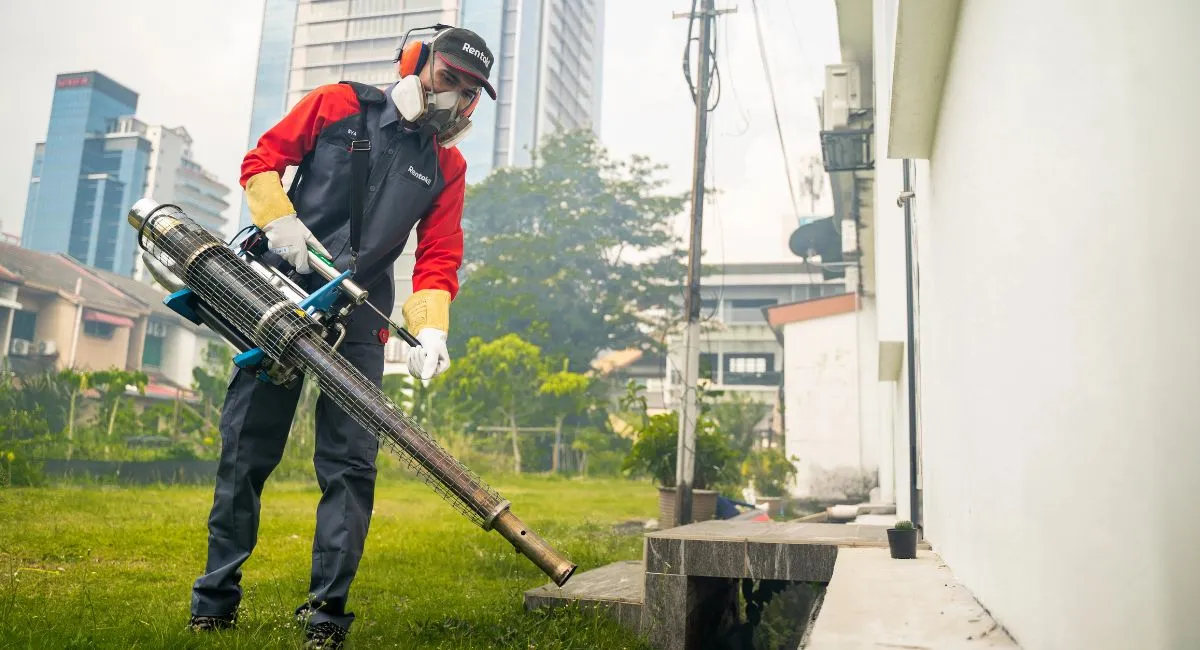
Mosquito control remains an important component in protecting public health, maintaining comfortable living, and working environments. Over the past decade, advancements in pest management have enabled more environmentally responsible solutions.
Malaysia's fight against mosquitoes has evolved from early 20th-century malaria control, which was using manual drainage and oil spreading, to the modern urban battle against Dengue. Urbanisation in the '70s and '80s led to "brute force" chemical spraying and heavy, oily thermal fogging. While effective then, this reliance on hydrocarbons left behind persistent odours, slippery residues, and a large environmental footprint, making it less preferred for modern public health standards.
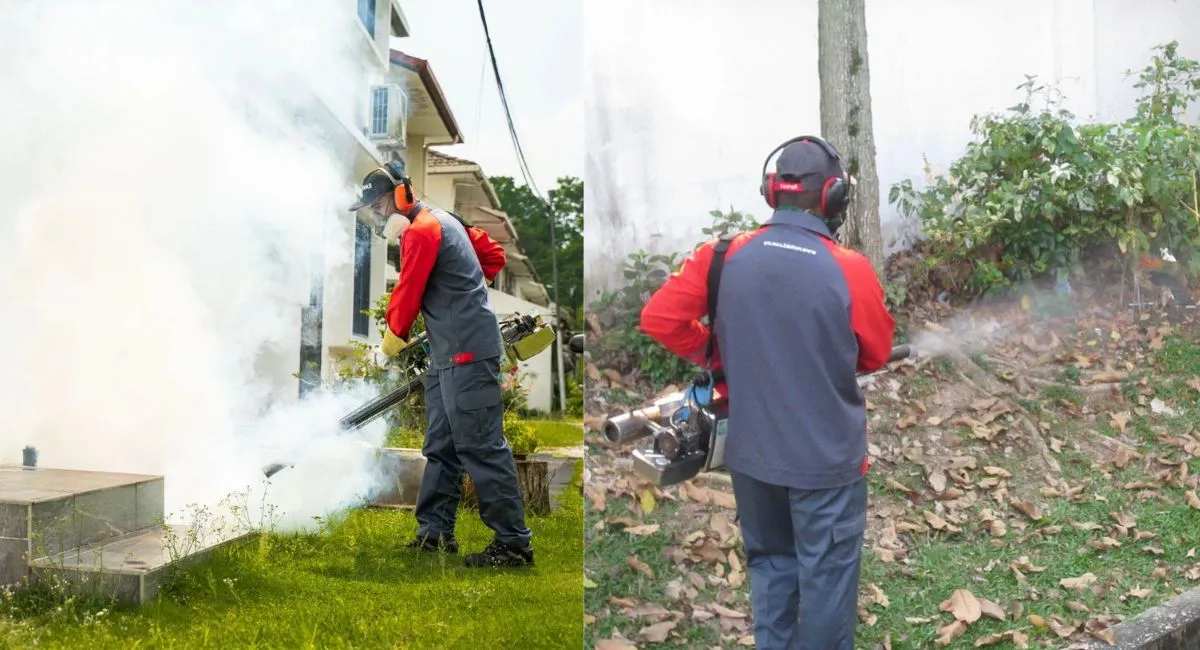
Recently, the pest management industry is undergoing a “green revolution” as the Malaysia Pest Management Association (MPMA) has released a news article about the opportunity for businesses to convert to water based fogging, in light of the fluctuations in fuel prices globally. This change replaces heavy smoke with a clean, high-performance mist of specialised droplets, targeting adult mosquitoes more efficiently without the environmental cost of diesel. Safer for respiratory health and significantly reducing carbon emissions, this shift represents the pinnacle of Malaysian pest management, proving community protection and environmental responsibility can coexist.
Approximately 10 years ago, diesel-based thermal fogging was the standard method used for mosquito control. While effective, concerns regarding environmental impact, odour, and residue led to the exploration of more sustainable alternatives. Since then, Rentokil has been actively converting customers to water-based fogging solutions. Although the transition has been gradual, adoption continues to grow. Effective from 1 May 2026, Rentokil new fogging service are default to water based, living our value proposition of Protecting People, Enhancing Lives, and Preserving our Planet.
|
Diesel-Based Fogging |
Water-Based Fogging |
|
MOA-approved (Ministry of |
MOA-approved (Ministry of |
|
Mixture is poured into the |
Mixture is poured into a |
|
Produces thick, visible smoke. |
Produces fine, light mist. |
|
Leaves a strong odour and oily residue. |
Minimal odour and residue. |
|
May contribute to environmental |
More environmentally friendly |
In short, water-based fogging offers a lower environmental impact without compromising effectiveness.
Yes! Water-based fogging is just as effective in controlling adult mosquito populations—it uses the exact same active pesticide, only the carrier solution is different.
.2a5bc8d08d2563369685f8edafc3d7ae.webp)
Better dispersion due to finer droplets.
Improved penetration into mosquito resting areas.
Reduced environmental and health concerns.
Aligned with vector control guidelines from organisations like the World Health Organization (WHO), modern pest management is shifting toward water-based formulations. Public health experts such as Ministry of Health Malaysia (MOH) favour this transition for several key reasons:
Switching to water-based fogging is more than just a technical upgrade—it’s a commitment to a healthier environment. As we continue this transition, we invite you to join us in embracing a solution that protects not just your space, but also the community and environment around you.
Thermal fogging is part of a broader Integrated Mosquito Management (IMM) program, which targets all stages of the mosquito life cycle.
We utilise a comprehensive Integrated Mosquito Management (IMM) strategy that targets every life stage—from larviciding eggs to adulticide methods like our eco-friendly thermal fogging. This customisable solution is designed for any environment, including homes, commercial offices, and industrial sites, ensuring high-impact protection with a minimal chemical footprint.
Effective control is a team effort; you can enhance our treatments by eliminating stagnant water, clearing drains, and scheduling regular inspections. Together, we create a safer environment through proactive maintenance and advanced, water-based technology.
Cleaner air. Safer spaces. Better protection.