myRentokil
myRentokil login© 2026 Rentokil Initial plc (M) Sdn Bhd Registration No: 197201001250 (12889-M). Subject to the conditions in the Legal statement
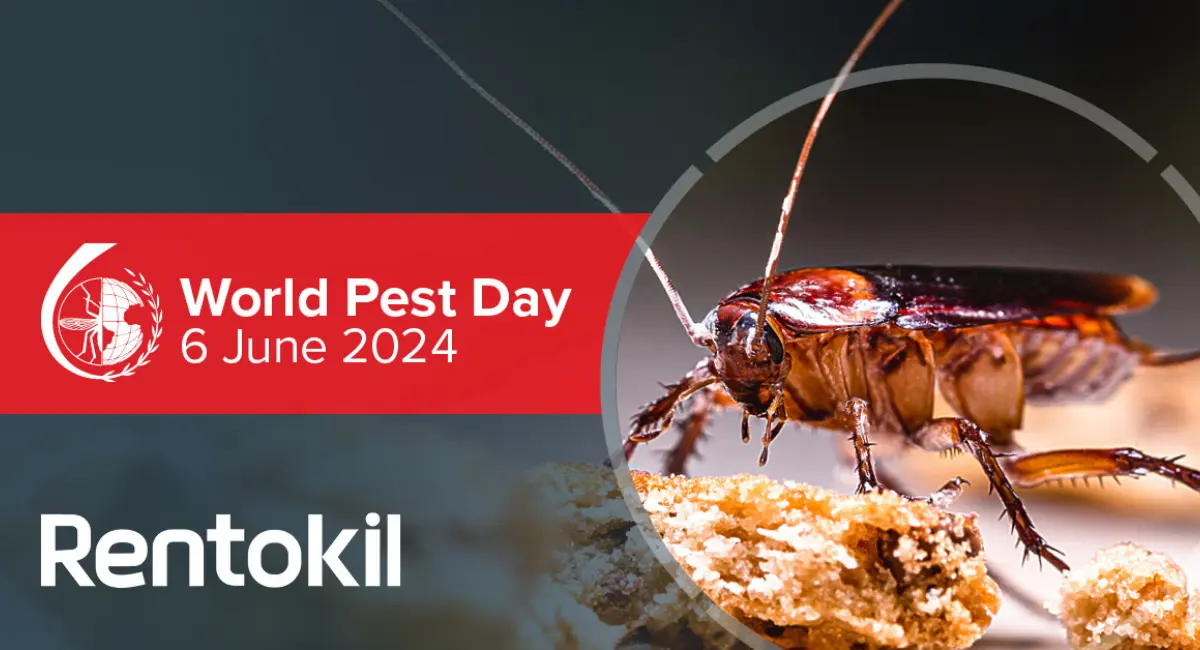
Did you know around 600 million cases of foodborne illnesses are recorded annually, and 1 in 10 people fall ill after eating contaminated food worldwide? These staggering numbers and various factors present ongoing challenges regarding food safety across the food supply chain and impact public health at large. These include the globalisation of food trade, a growing world population, pest infestations, climate change and rapidly changing food systems.
Despite these challenges, however, foodborne diseases are certainly preventable. While various pests, including a range of crawling and flying insects, can pose risks to food safety, this blog will focus specifically on two of the most significant threats: flies and rodents, their intrinsic behaviours and how you can protect your business from them.
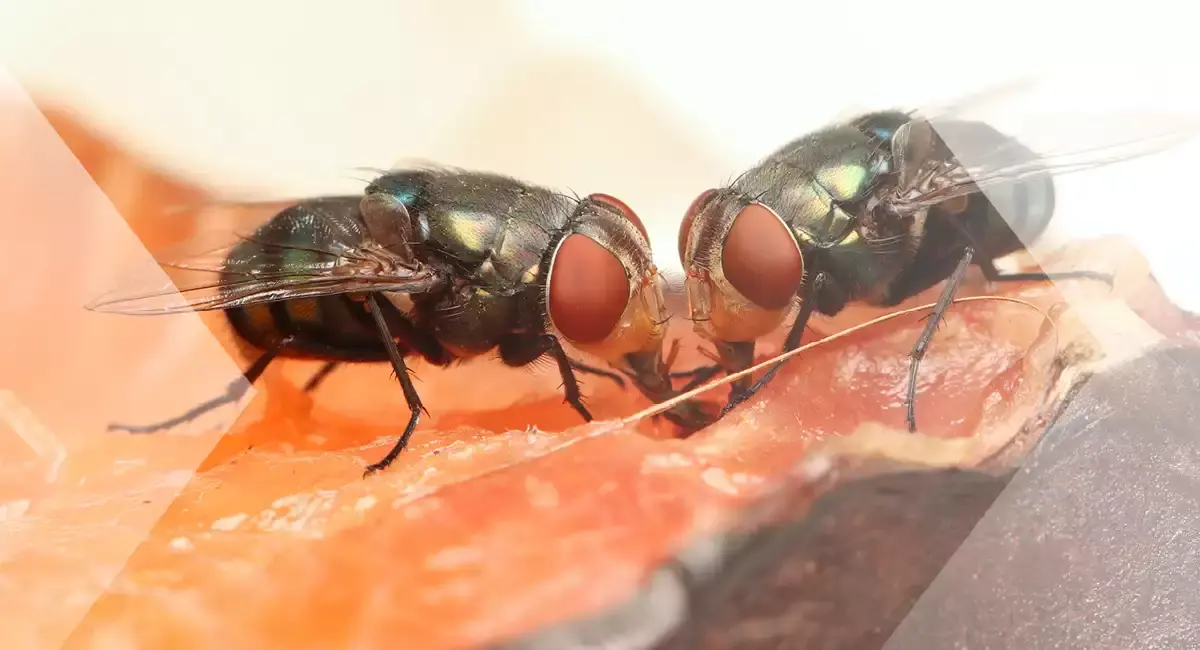
Flies are a common pest that can compromise food safety if left to their own devices. This is because they can easily pick up pathogens from bins, decaying organic matter and animal waste and pass these onto us when they land on food and surfaces.
Furthermore, flies can only consume solid foods by liquifying them with their saliva first, but this can transfer infectious agents and contaminate our food. In fact, over 130 pathogens have been identified from flies. Flies also defecate frequently whenever they land and can leave behind faecal matter containing disease vectors, causing people to fall ill and compromising food safety.
These are all habits that greatly demand effective fly-control measures from food and beverage businesses.
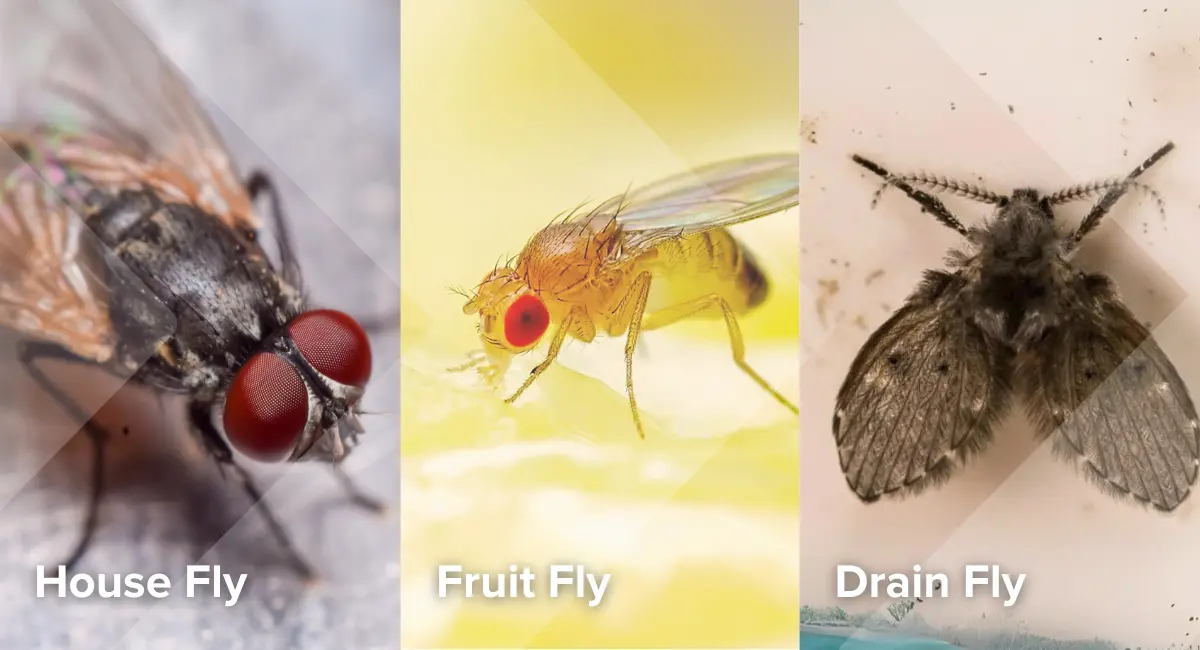
Different fly species have varying preferences for food, and understanding these can help us tackle them better. For example, houseflies are attracted to decaying organic matter, human food leftovers and animal waste. This means they’re commonly found in food-related establishments, such as food preparation areas, production lines, restaurants and food storage areas.
Meanwhile, fruit flies are drawn to fermenting sugary substances, making them a common sight in areas with ripe or overripe fruits and vegetables. This includes food preparation areas, grocery stores and fruit stands, posing a particular challenge for businesses handling fresh produce.
Other types of flies, such as drain flies, are drawn to organic residue and moist environments. For food and beverage businesses, this means they can be found in bathrooms and kitchens, posing sanitation concerns.
Flies have a rapid reproductive cycle that can exacerbate the challenges businesses face in maintaining food safety. In fact, some fly species can mature from eggs to adults in just seven days, given the right conditions. Each female fly can lay up to 500 eggs in several batches of 75 to 150 eggs over a three to four-day period. With this fast breeding ability, infestations can escalate very quickly, posing a significant challenge for businesses and demanding control and preventative measures.
Flies have photoreceptors in their eyes, which are tiny structures that detect light and act like sensors, helping flies see and respond to light. This helps them navigate, find food sources and avoid predators. These receptors detect light waves around 350 nanometres in length.
To put that into perspective, human hair is typically around 80,000 to 100,000 nanometers in diameter. So, light waves around 350 nanometers are much smaller than a human hair's diameter and are invisible to the human eye. Flies are attracted to horizon-like light conditions, for example, during dawn or dusk.
This means that when an insect light trap emits a horizon-like light of around 350 nanometres, it triggers flies' instinctual response and can lead to higher catch rates as they are drawn towards the trap. Also, businesses can strategically position light traps in areas prone to fly activity, such as food preparation areas, storage facilities and dining spaces.
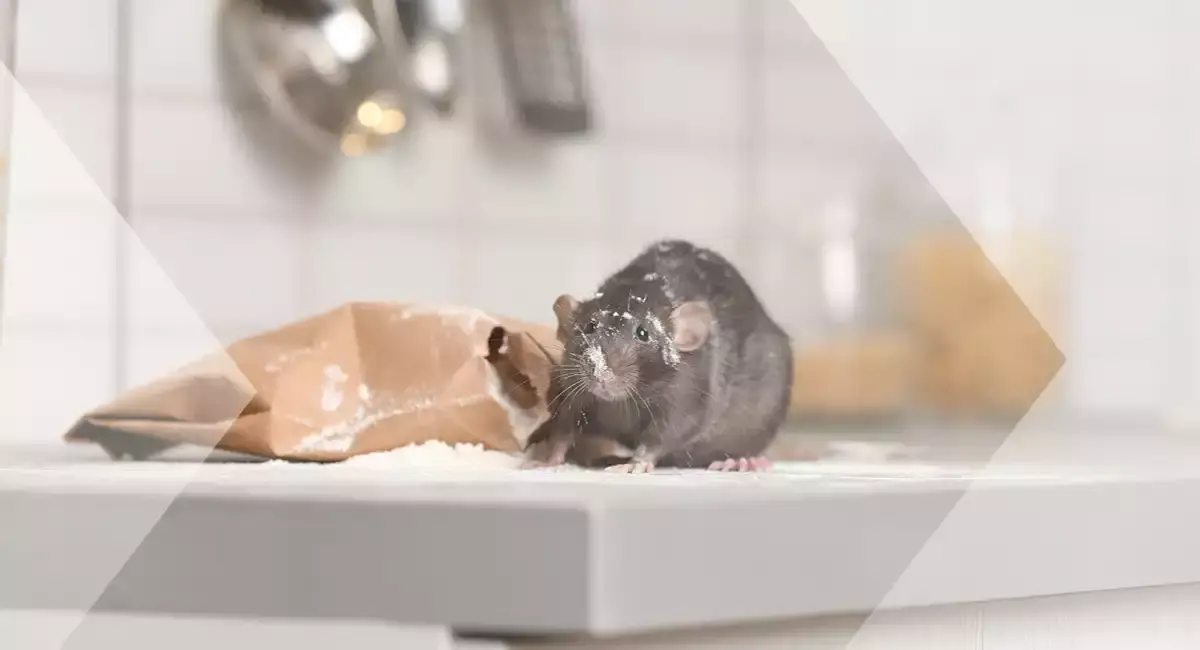
Rodents, too, pose a significant threat due to their ability to contaminate food through direct contact with their faeces, urine and hair. Their gnawing habits can damage food packaging and even electrical wiring, while their presence can lead to regulatory violations and damage business reputations.
Drawn by the promise of abundant food sources, rodents are attracted to bins and food premises where they can search for food. Their constant need to eat – due to their fast basal metabolic rate, which is about 6.4 times faster than in humans – drives them to seek out accessible food supplies, making areas with improperly stored or exposed food particularly enticing.
Firstly, let's delve into the biology of rodents. All rodents possess a pair of incisor teeth in their upper and lower jaws, which continuously grow throughout their lives. They need to keep growing to make up for the damage they cause by gnawing.
Outdoors, this habit means they can create underground dens and safe harbourage close to facilities, and their burrowing activity can even weaken retaining walls and sewers. Indoors, this means they can squeeze through small gaps, and their gnawing ability allows them to make or widen holes. These are commonly found around doors, cupboards, windows, pipes, wood and concrete, and rodents use them to gain access to a place for shelter or food.
In food processing plants, even the tiniest gaps, such as those between equipment or beneath doors, can pose a threat. A fully grown rat can effortlessly slip through a hole that's just slightly larger than the diameter of a 50 cents coin, while mice can exploit spaces as small as the diameter of a pencil. Their incredibly flexible skeletons and skulls, measuring around 6.35mm on average, allow them to navigate through even the most seemingly secure areas, putting food safety at risk.
In terms of their senses, rodents are highly adapted to their environment. While their eyesight is designed to detect shape and movement, particularly in dim light, it's not as good at focusing on fine details. So they use their sense of smell, taste and hearing to help instead, and these are all well developed, with touch being their primary sense. Rodents rely heavily on their whiskers (vibrissae) and bodies to navigate confidently in complete darkness. This means they can avoid humans and other potential threats while searching for food during the night when they feel safer and less exposed to predators.
For businesses, this means continuous monitoring systems with real-time alerts can be invaluable to protect premises round the clock and tackle rodents’ nocturnal abilities.
When it comes to their behaviour, rodents have specific movement patterns. They tend to stick to wall-floor junctions and so are likely to travel behind equipment and around stored goods rather than across open floors.
Meanwhile, brown rats build complex underground burrows with long-branching tunnels, multiple exits and various chambers for nesting and food storage. These rodents are often drawn to areas near food preparation stations, storage rooms and waste disposal areas, where they can easily access food sources.
Understanding these specific movement patterns enables businesses to target pest control efforts effectively, focusing on areas most vulnerable to infestation.
In conclusion, exploring the lives of common pests like flies and rodents offers insights into their behaviours and the threats they pose to food safety and public health. Despite these challenges, preventive measures and integrated pest management strategies can mitigate their impact.
And, for over 55 years, we’ve helped businesses do just that with comprehensive IPM (Integrated Pest Management) strategies that prioritise pest prevention. We are constantly seeking different ways of integrating technology and innovation to protect your premises from various pests. Our global solutions, Lumnia LED Insect Light Trap and Digital Pest Control Solutions are helping local businesses manage their pest issues effectively as part of our IPM approach. By leveraging advanced technologies, we provide efficient, eco-friendly pest control that protects both your business and the environment.
%20(1).2024-06-05-15-30-19.webp)
This combination can provide food businesses with enhanced pest monitoring capabilities, early detection of pests and targeted treatments for more effective and sustainable pest management.
To help you stay one step ahead of pests, contact the experts in pest control today!