868 612 0047 Call us for a free quote Contact us

About Mosquitoes

Mosquito Species

There are over 3,500 species of mosquitoes, which can be found all around the world except Antarctica. Of all these species, only a handful carry dangerous pathogens, and of these harmful species, three are prevalent in our part of the world.  The female of the species is responsible for the irritating bites we suffer from and these bites can also carry fatal diseases.
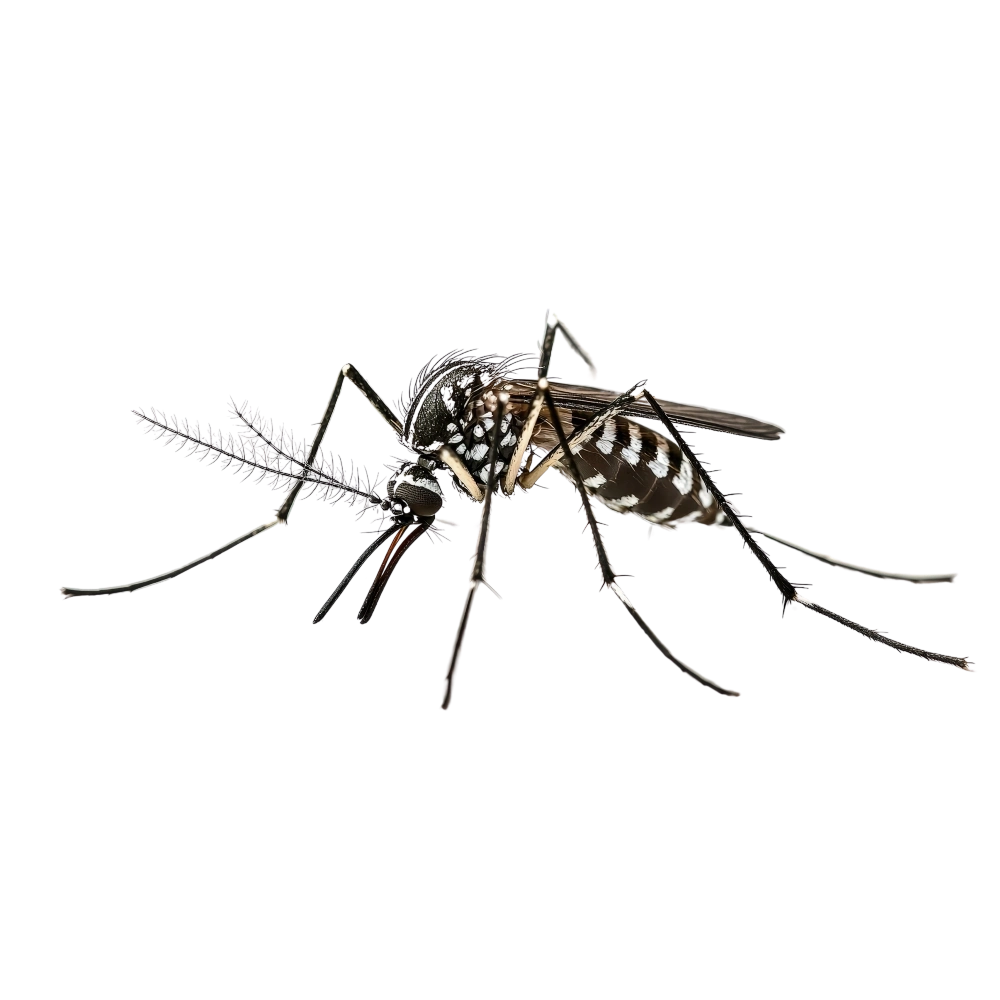
Aedes mosquitoes

Aedes Mosquitoes

(Aedes Aegypti)

The most common mosquito in our region is the Aedes Aegypti. Bites from an Aedes mosquito peak at the change of light intensity (after sunrise and before sunset) and their activity is most intense during the rainy season (June to November). This is the mosquito that causes the most deaths in our region and is responsible for dengue, zika and chikungunya virus.

  • Adult has black and white markings.
  • Larval rest 45 degree from the surface of the water.
  • Egg is black in colour and shape like a rugby ball.

  • Egg to adult stage takes 6 – 8 days.
  • Complete metamorphosis – egg, larval, pupa and adult.

  • Habitat – container breeder especially man-made containers with clean water.
  • Prefer darker colours like black and red.
  • Can fly short distance (50 – 100m).
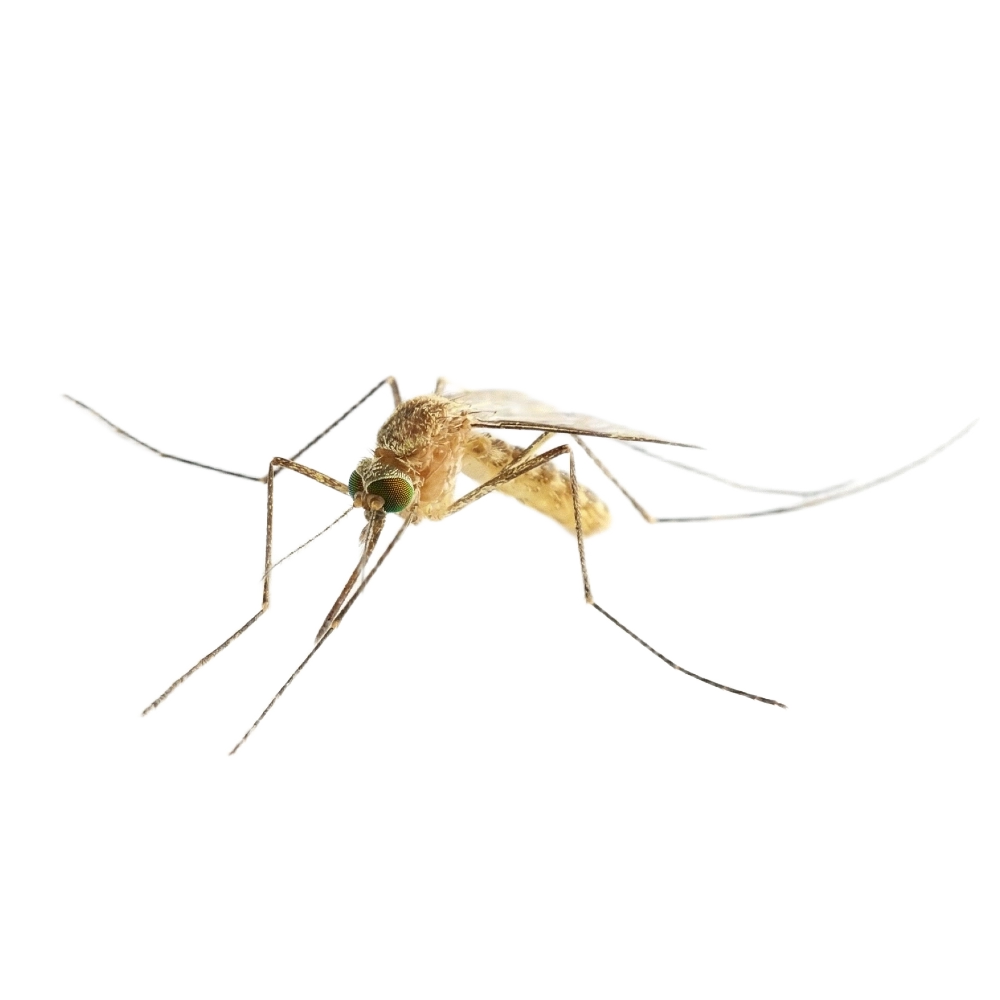
Culex mosquitoes

Culex Mosquito

(Culex Tritaeniorhynchus)

Culex mosquitoes are the main vector for Japanese B – Encephalitis

  • Adult – thorax, legs and veins on the wings are always covered with brown scales. Dull in colour. The tip of the abdomen is always blunt.
  • Larval rest 45 degree from the surface of the water.
  • Egg is brown, long and cylindrical, vertical on water surface, cemented in a raft of 300 eggs. Raft usually 3 – 4mm long and 2 – 3mm wide.

  • Egg to adult stage takes 6 – 10 days.
  • Complete metamorphosis – egg, larval, pupa and adult.

  • Habitat – mainly breed in polluted stagnant water and drains.
  • Biting rhythm – bite at night and usually rest indoor before and after the blood meal. Sometimes they may rest outdoor.
  • Prefer darker colours.
  • Long distance fliers.

Mosquito Bites

Mosquito bites are not usually painful, but the itchiness that follows can cause some discomfort. There are simple ways you can keep safe and avoid some of the health risks associated with mosquito bites.

How to Avoid Mosquito Bites

  • There is a greater risk of bites when you are outdoors and from the dusk into night period when mosquitoes are most active.
  • Avoid bright colours
  • Avoid strong scents such as perfumes and deodorants
  • Reduce exposed skin. Wear long sleeves, trousers, footwear and hats.
  • Use insect repellent sprays on exposed skin and repelling products or candles in the general area
  • Avoid areas with water especially those with slow moving or still / stagnant water
  • When hiking, tuck trousers into socks and avoid brushing through long grass or bushes if possible

Treatments for Mosquito Bites

In recent years, our region has seen an increase in the number of persons affected by mosquito borne illnesses such as dengue, chick V and yellow fever, but the most common risk from mosquito bites is the potential skin irritation that occurs especially in young children and the elderly. Reaction to bites vary from person to person. Symptoms that develop are just our immune system’s response to their saliva but some persons have an allergic reaction to mosquito bites that can lead to potential infection.

Steps to avoid complications from mosquito bites:

  • Clean the wound - this is the most important treatment for a mosquito bite.
  • Use a cold compress - swelling can be reduced immediately after a bite by covering it with a cold compress such as ice in a cloth (never hold ice directly on the skin). It may take several days for the swelling to go down and for itching to subside.
  • Take anti-histamines - itchiness and swelling can be relieved with anti-histamine creams for bites and stings. Oral anti-histamine (“hayfever tablets”) can also help if you have multiple bites.
  • Do not scratch - avoid scratching as this will increase the itch and could lead to the bite becoming infected by bacteria.

If you have been bitten by a mosquito, consult a doctor if:

  • The swelling or pain is so severe it prevents movement or sleeping.
  • The swelling continues to worsen more than a day after the bite.
  • The bite appears to be infected.
  • High fever (over 101 degrees) presents
  • Body aches and pains occur especially around the eyes

Call an ambulance immediately if a bite causes swelling to the throat, mouth or tongue that restricts breathing.

Need professional treatment for mosquitoes?

At Rentokil, we offer a call-out service to control all types of biting insects, including mosquitoes. Our service is fast and effective and offers the highest level of safety for your family and pets.

How To Get Rid of Mosquitoes

Get safe, professional targeted treatments to quickly remove mosquitoes

Get in Touch

Contact an Expert

For Your Business

Customised, industry-specific treatments to eliminate mosquitoes with minimum disruption