© 2026 Rentokil Initial plc and subject to the conditions in the Legal Statement.
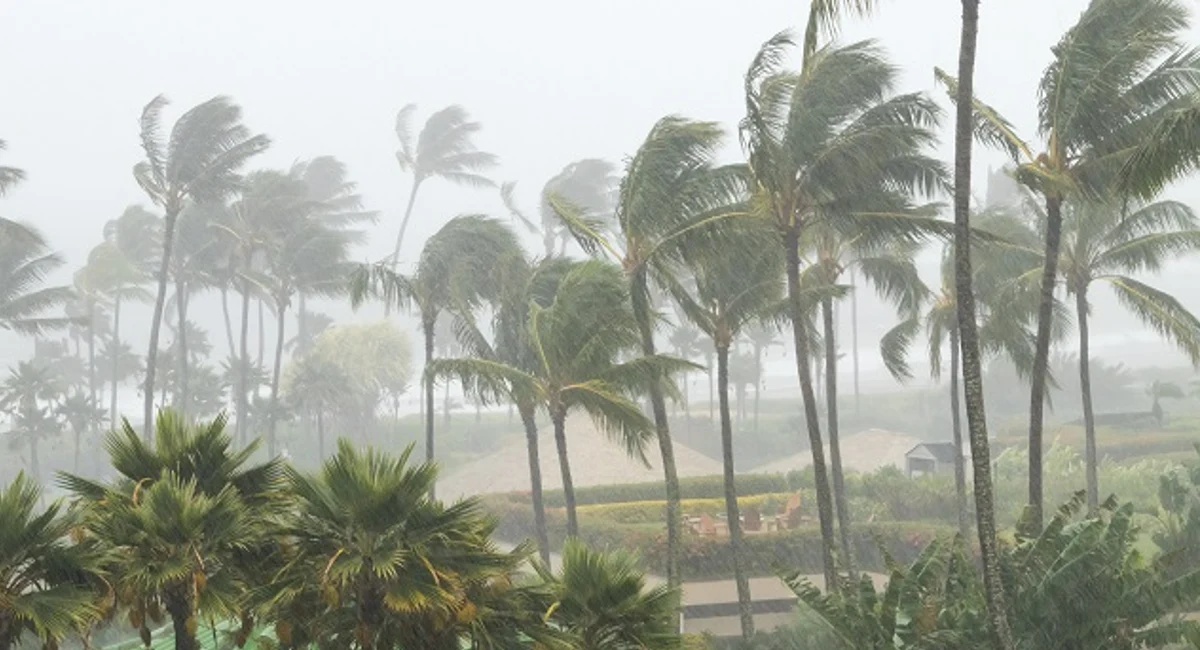
When a hurricane barrels through the Caribbean, the immediate concerns are safety, property damage, and access to essential services. But once the storm passes and communities begin rebuilding, another problem often emerges quietly — a surge in pest activity. At Rentokil Initial, we’ve seen firsthand how natural disasters create ideal conditions for pests to thrive, posing risks to health, homes, and recovery efforts. Understanding why this happens can help Caribbean households and businesses stay protected long after the storm has passed.
Why Pest Problems Increase After Hurricanes
1. Flooding Drives Pests Out of Hiding
Heavy rains and rising floodwaters force pests like rodents, cockroaches, ants, and centipedes out of their natural hiding places. Rats and mice, for example, are excellent swimmers, and when their burrows flood, they move toward homes, hotels, warehouses, and food storage areas in search of shelter and food. Cockroaches also migrate to dry, protected spaces — often ending up inside electrical appliances, cupboards, and drain systems.
2. Structural Damage Creates New Entry Points
Broken roofs, cracked walls, damaged vents, and shattered windows give pests new access routes into buildings. Even a small gap created by wind damage can allow termites, mosquitoes, and rodents to enter and establish themselves. In urban areas, damaged drainage systems can also cause an increase in mosquito breeding sites.
3. Standing Water Feeds Mosquito Populations
In the Caribbean, mosquito-borne illnesses such as dengue, chikungunya, and Zika are ongoing concerns. After a hurricane, standing water from clogged drains, blocked gutters, and debris-filled yards creates perfect breeding conditions. Within 7–10 days of a storm, mosquito populations can spike dramatically if not addressed.
4. Disrupted Waste Collection Attracts Pests
Waste buildup is one of the biggest post-storm pest attractants. Overflowing bins, spoiled food from power outages, and storm debris provide abundant food sources for flies, rodents, and stray animals. This not only causes infestations but also increases the risk of disease transmission.
Protecting Your Property After a Storm
As communities rebuild, taking early steps to manage pests can prevent more costly problems later.
Rentokil Initial recommends the following:
1. Remove Standing Water Immediately
Check plant pots, old tyres, gutters, tarps, and low-lying areas where water tends to collect. This is one of the fastest ways to reduce mosquito breeding.
2. Secure Waste and Dispose of Spoiled Food
Use sealed bags and covered bins. If collection services are delayed, store waste away from living spaces to avoid attracting rodents and flies.
3. Inspect Your Building for Damage
Seal cracks, fix broken screens, and repair structural damage as soon as possible. Pay special attention to roofs and foundations — common entry spots for pests.
4. Clear Debris from Around Your Property
Fallen branches, soaked cardboard, and piles of leaves provide shelter for pests. Clearing your yard reduces hiding places and restores proper drainage.
5. Keep Food Stored Properly
Use airtight containers and clean up spills quickly. Post-storm conditions often disrupt refrigeration, so proper food storage becomes even more important.
We’re Here to Support Caribbean Communities
Recovering from a natural disaster is never easy, but you don’t have to face pest challenges alone. Rentokil Initial offers fast-response pest control services designed specifically for post-storm conditions in tropical climates. By acting early, you can protect your home, business, and community from the added burden of pest-related health and safety risks.
Having problems with pests? Get in touch!
Our team of experts has extensive local experience and are trained monthly on the very best technologies to stay ahead of pest risks and maintain the highest standards of hygiene and safety.
Call us on 876 926 4236 or contact us online and we’ll contact you within 24 hours.
Pest control services
Protecting businesses and homes in Jamaica for 55 years
- Safe, effective, environmentally-friendly pest control
- A broad range of pest management options to suit your home and business needs
- With over 25 local, accredited pest controllers, we provide a rapid-response service across all of Jamaica