© 2026 Rentokil Initial plc and subject to the conditions in the Legal Statement.
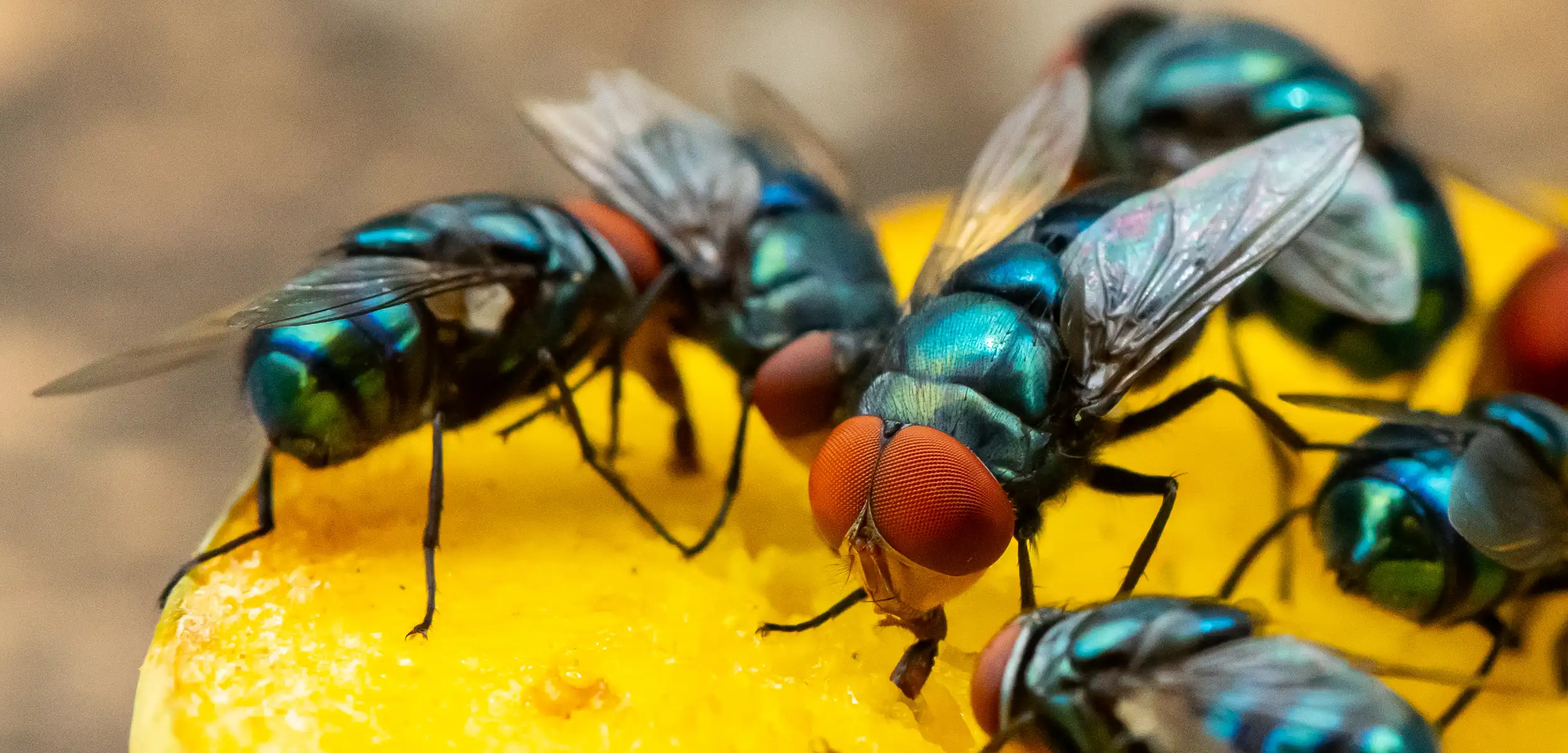
Running a food establishment brings many responsibilities and challenges to keep staff and patrons safe. Managing the risks that come with pests such as rodents, cockroaches, mosquitoes and flies, along with maintaining stringent hygiene standards are all in a day’s work as a restaurant proprietor. Among other pests, flies pose a particularly significant health risk that can compromise food safety, ruin the dining experience and transmit Salmonella, E. coli and Campylobacter.
Understanding the behavior of houseflies is critical to adopting an effective fly control strategy. Let’s explore some proven strategies to help you keep your restaurant hygienic, compliant with regulations and free from flies.
Fly hotspots in restaurants
Food service settings provide flies with multiple locations to thrive, but they’re particularly drawn to areas where food and waste are abundant. Some of the areas where flies are particularly likely to be found in food settings are:
● Food preparation areas: Flies can contaminate foodstuff with pathogens while they are being prepared, leading to foodborne illnesses.
● Dining areas: The sight of flies, particularly in dining areas, can ruin customer experiences and tarnish an establishment's reputation.
● Waste disposal areas: Unclean or uncovered garbage areas provide ideal breeding grounds for flies.
Effective fly-control measures for restaurants
Taking a pro-active and preventive approach to fly control is absolutely essential for restaurants. The appearance of a single fly could undo years of hard work and good reputation. Let’s look at some of the steps your business can take to mitigate the chaos flies could cause if left unchecked.
1. Sanitation and hygiene
The first, and arguably most important step restaurants can take to prevent flies is maintaining cleanliness and this involves:
● Managing food waste: Remove and secure food waste as soon as possible
● Proper waste disposal: Rubbish bins and surrounding areas must be regularly cleaned and sanitised. Lids should always be closed to prevent flies from accessing waste.
● Surface cleaning: Regularly wipe down all surfaces, especially those in the kitchen and dining areas, to remove food residue that can attract flies.
● Equipment cleaning: Equipment that comes into contact with food, as well as the surrounding areas, must be sanitised effectively and often.
● Drain maintenance: Keep all floor drains and sinks clean and free of debris to eliminate potential breeding sites.
2. Physical barriers
● Screens and mesh: Where possible, screens on windows and doors can prevent flies from entering and are particularly useful around kitchens and waste-disposal areas.
● Seal entrances: Ensure that doors and windows close properly and that gaps are sealed to deny easy access for flies.
3. Manage fresh produce and raw meat / fish
● Inspect fruit and vegetables on delivery for spoilage.
● Raw meat, poultry and fish must be handled with care and work areas must be thoroughly sanitized before and after preparation.
4. Professional fly-control solutions
● Insect light traps: Professional pest control companies can survey your premises and install traps both indoors and outdoors. EcoCatch, for example, is Rentokil’s latest outdoor fly trap that offers chemical free fly control that uses flies’ own behavior to lure and trap them. Rentokil’s advanced LED Lumnia fly trap range is ideal for indoor settings using whisper quiet functionality and available in a range of sleek, modern designs and sixes.
● Pesticide application: In some severe cases, pest control technicians may find professional pesticide treatments are necessary. They’ll conduct these treatments safely and in accordance with local regulations to avoid contamination of food areas and products.
5. Regular inspections and monitoring
● Routinely check for signs of fly activity, particularly in high-risk areas like waste disposal zones and food storage areas. A contract with a professional pest control company will ensure ongoing monitoring for maximum fly prevention.
6. Staff training
● Educate your team: Ensure all staff members are aware of the importance of fly control and train them in proper sanitation practices and waste management.
Ready to tackle flies in your restaurant?
Rentokil Initial offers solutions specially tailored to your unique environment and business needs. Our experts are trained to assess your premises and implement comprehensive strategies and tools that ensure a hygienic, safe and pleasant environment for your staff and customers. Get in touch to schedule a free site visit.
Don’t let flies compromise your standards. Contact Rentokil Initial Caribbean today to schedule a free site visit
Call 242 322 2157 or contact us online and we’ll contact you within 24 hours to help you control flies in your premises.
Pest control services
Protecting homes and businesses in The Bahamas for over 60 years
- Safe, effective, environmentally-friendly pest control
- A broad range of pest management options to suit your home and business needs
- With over 44 local, accredited pest controllers, we provide a rapid-response service across all of The Bahamas