© 2026 Rentokil Initial plc and subject to the conditions in the Legal Statement.
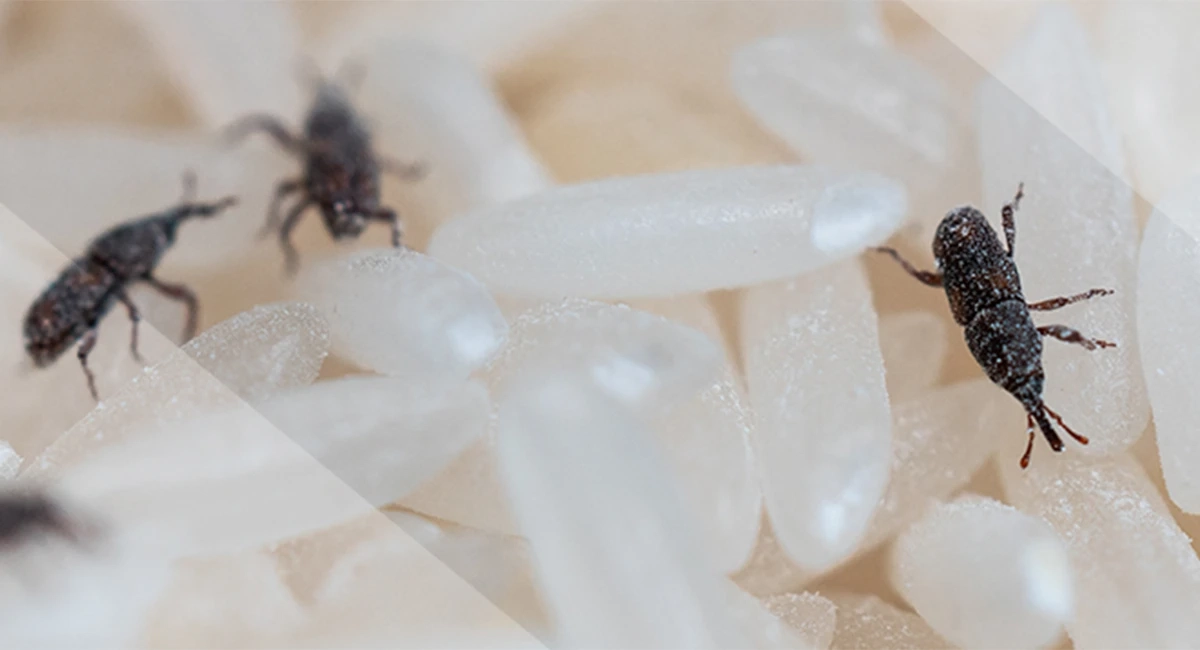
In food manufacturing, warehousing, and retail, a single pest sighting can carry a steep price tag. While rodents and cockroaches often draw the most attention, stored product insects (SPIs) —such as flour beetles, grain weevils, and moths—pose an equally costly threat to commercial operations.
Left unchecked, these tiny pests contaminate bulk ingredients, ruin finished goods, and jeopardise hard-earned brand reputation. Understanding how SPIs infiltrate storage facilities—and implementing proactive controls such as fumigation—is essential for safeguarding both your inventory and your bottom line.
The Real Business Impact of Stored Product Insects
Unlike casual intruders that pass through a facility, stored product insects live and breed directly inside dry commodities like flour, grains, spices, nuts, cocoa, and dry pet food; and a minor issue can escalate into a widespread infestation within weeks.
For commercial food businesses, the consequences go far beyond discarded stock:
-
Cross-Contamination Across Pallets: Many SPIs can chew straight through paper sacks, cardboard cartons, and thin plastic films. One infested incoming shipment can quickly spread to neighboring pallets, compromising an entire warehouse aisle.
-
Rejected Shipments and Financial Loss: Discovering larvae, webbing, or insect fragments in raw ingredients or packaged goods leads to immediate product recalls, rejected deliveries, and lost revenue.
-
Failed Food Safety Audits: Regulatory inspectors and third-party auditors enforce zero-tolerance standards for pest activity in food-handling environments. An active SPI issue can result in non-compliance penalties, contract losses, and even temporary shutdowns.
-
Damaged reputation: If a compromised product reaches a store shelf or restaurant kitchen, the resulting customer complaints and negative publicity can cause lasting damage to brand loyalty.
Early Detection Beats Reactive Cleanups
By the time adult moths or beetles are spotted flying around a warehouse or retail backroom, the infestation is usually well established. SPIs spend most of their life cycle hidden inside packaging, machinery crevices, and structural cracks as microscopic eggs and feeding larvae. Simply discarding visibly damaged bags rarely eliminates the problem.
A robust Integrated Pest Management (IPM) programme shifts your facility from reactive cleanups to continuous prevention:
-
Inspect Incoming Deliveries: Train receiving teams to inspect incoming pallets, seams, and packaging for signs of webbing, frass, or damaged seals before moving stock into main storage areas.
-
Enforce Strict Stock Rotation: Follow a disciplined "first in, first out" (FIFO) system to prevent older dry goods from sitting undisturbed and becoming breeding grounds.
-
Maintain Deep Sanitation: Regularly clean underneath racking, inside processing equipment, and around dust-collection points where spilled flour or grain dust accumulates.
-
Container Fumigation: Regular container fumigation using food-safe fumigants clears arriving shipments of any SPI issues and protects the warehouse from potential infection.
Partner with Rentokil Initial for Audit-Ready Protection
Protecting sensitive food environments requires specialised expertise. Rentokil Initial’s commercial pest control experts design tailored SPI management programmes —combining targeted treatments and detailed audit-ready reporting—to keep your supply chain compliant and secure.
Don’t let hidden pests eat into your profits. Contact your local Rentokil commercial team today to schedule a comprehensive site risk assessment.
Are hidden pests eating into your profits?
Protect your inventory, food safety standards, and business reputation with professional stored product insect management solutions.
Contact Rentokil Initial today to arrange a comprehensive commercial site risk assessment.
Call us on 246 429 3546 or contact us online and we’ll contact you within 24 hours to arrange an inspection with one of our pest experts.
Pest control services
Protecting homes and businesses in Barbados for over 60 years
- Safe, effective, environmentally-friendly pest control
- A range of bat management options to suit your home and business needs
- With over 16 local, accredited pest controllers, we provide a rapid-response service across all of Barbados.