© 2026 Rentokil Initial plc and subject to the conditions in the Legal Statement.
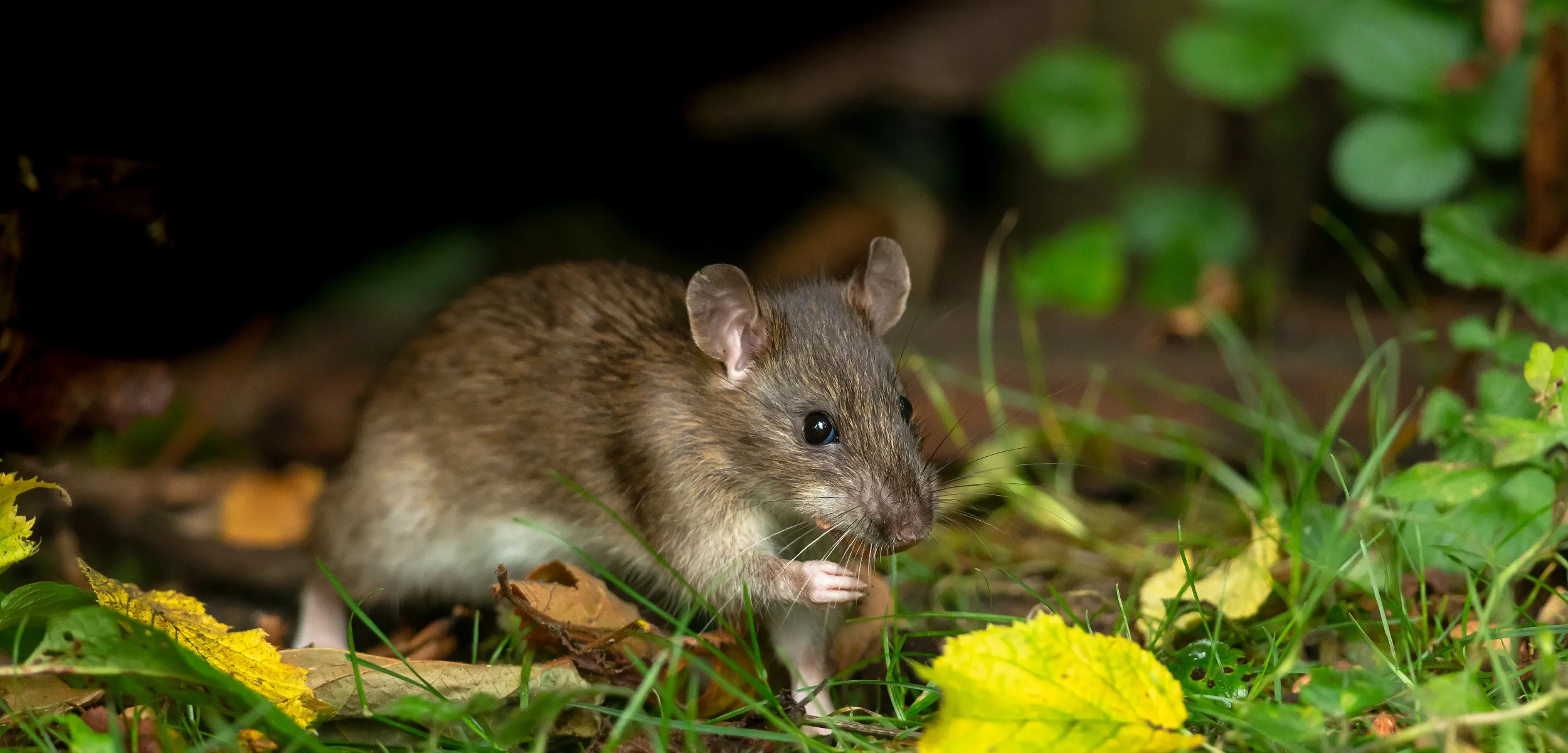
As shifting global climate patterns and El Niño cycles bring intensifying weather extremes—ranging from prolonged droughts and severe water shortages to violent, sudden tropical downpours—property owners in our region face a hidden secondary threat: heightened rodent activity. When regional weather patterns shift violently, rats and mice are forced out of their natural outdoor habitats. Understanding how these weather shifts trigger indoor infestations is essential for maintaining property hygiene and protection.
Droughts, Water Shortages, and Indoor Micro-Habitats
An increase in surface temperatures across the region has already been noted this year with typically wet months experiencing less rainfall than normal. This of course leads to water shortages and as natural water sources dry up outdoors, urban and commercial centers become oases for rodents.
Rats and mice require daily access to water to survive. During extended droughts, they are drawn toward indoor plumbing leaks, condensation lines from commercial air conditioning units, kitchen drainage systems, and irrigation run-off.
Furthermore, as temperatures soar during extreme heatwaves, rodents actively seek climate-controlled indoor micro-habitats. Commercial server rooms, refrigeration compressor housing, utility closets, and drop ceilings offer stable, cooler environments that mimic ideal nesting conditions while shielding pests from extreme outdoor heat.
The Deluge Effect: Flooded Burrows and Urban Migration
Conversely, El Niño weather extremes can also produce heavy and sudden downpours which can cause flooding of subterranean ecosystems. Storm drains, subterranean utility tunnels, agricultural fields, and natural soil burrows can fill rapidly with water.
When underground habitats become uninhabitable overnight, rats and mice are driven upward in massive waves. Seeking immediate high ground, dry shelter, and food sources, rodents target commercial properties, warehouses, restaurants, and residential neighborhoods. Open loading docks, basement levels, and low-lying building foundations become ground zero for rodent infestation during the rainy peaks of a severe weather cycle.
Securing Your Property Against Weather-Driven Pests
Because regional climate variability is becoming the norm rather than the exception, reactive pest control is no longer enough. Protecting your property requires anticipating how rodents respond to environmental stress:
- Seal Exterior Entry Points: Conduct regular structural audits of doorways, weep holes, utility penetrations, and foundation cracks.
- Manage Drainage and Moisture: Address plumbing leaks, fix dripping condensation lines, and ensure proper yard drainage to eliminate the water sources rodents seek during dry spells.
- Maintain Your Outdoors: Keep vegetation trimmed away from exterior walls and ensure waste disposal areas are tightly sealed, preventing rodents from establishing staging grounds near your building.
Proactive Protection
El Niño weather extremes will continue to test regional infrastructure, but your property doesn't have to bear the brunt of a secondary pest wave. By understanding how climate changes dictate rodent behavior, facility managers and homeowners can stay one step ahead of invaders. If you’d like to schedule a thorough site preparedness audit with our rodent experts, get in touch.
Is your property prepared for weather-driven rodent activity?
Protect your home or business from unexpected infestations with professional rodent prevention and control solutions.
Contact Rentokil Initial today to arrange a comprehensive site assessment!
Call us on 246 429 3546 or contact us online and we’ll contact you within 24 hours to arrange an inspection with one of our pest experts.
Pest control services
Protecting homes and businesses in Barbados for over 60 years
- Safe, effective, environmentally-friendly pest control
- A range of bat management options to suit your home and business needs
- With over 16 local, accredited pest controllers, we provide a rapid-response service across all of Barbados.