© 2026 Rentokil Initial plc and subject to the conditions in the Legal Statement.
Birdlife is part of the magic that draws visitors to our region. Destinations like the Asa Wright Nature Centre in Trinidad are global attractions, bringing eco-tourists, photographers and nature lovers who contribute significantly to local economies. But for many resorts, managing birds is a delicate balancing act. On one hand, bird tourism is valuable. Guests travel specifically to experience native species in their natural habitats. On the other hand, certain invasive or overpopulated species—particularly pigeons—can create serious operational, health and reputational challenges when they nest on hotel rooftops, balconies and signage.
The Business Impact of Unmanaged Bird Activity
While birds are beautiful in the right setting, they can become pests when they roost and breed within resort structures. Pigeons and similar invasive species often:
- Leave droppings that damage building materials and outdoor furniture
- Create slip hazards around pool decks and entryways
- Block gutters and drainage systems with nesting materials
- Generate persistent noise near guest rooms
- Spread bacteria through accumulated droppings
- Cause secondary pest infections such as mites and fleas
In the hospitality industry, perception matters. A single photo of bird fouling on a restaurant terrace can undermine a property’s premium image. Resorts must protect guest comfort and safety without harming wildlife that is central to Caribbean tourism.
Protecting Native Species While Managing Invasive Ones
Not all birds should be treated the same. Many native Caribbean species are ecologically important and legally protected, supporting biodiversity, pollination and pest control. The challenge lies primarily with invasive or opportunistic species like feral pigeons that thrive in urban and resort environments.
Humane Bird Control: Prevention, Not Harm
A responsible strategy distinguishes between conservation and control. At Rentokil, the focus is on exclusion and deterrence rather than eradication. Humane bird management in Caribbean resorts typically includes:
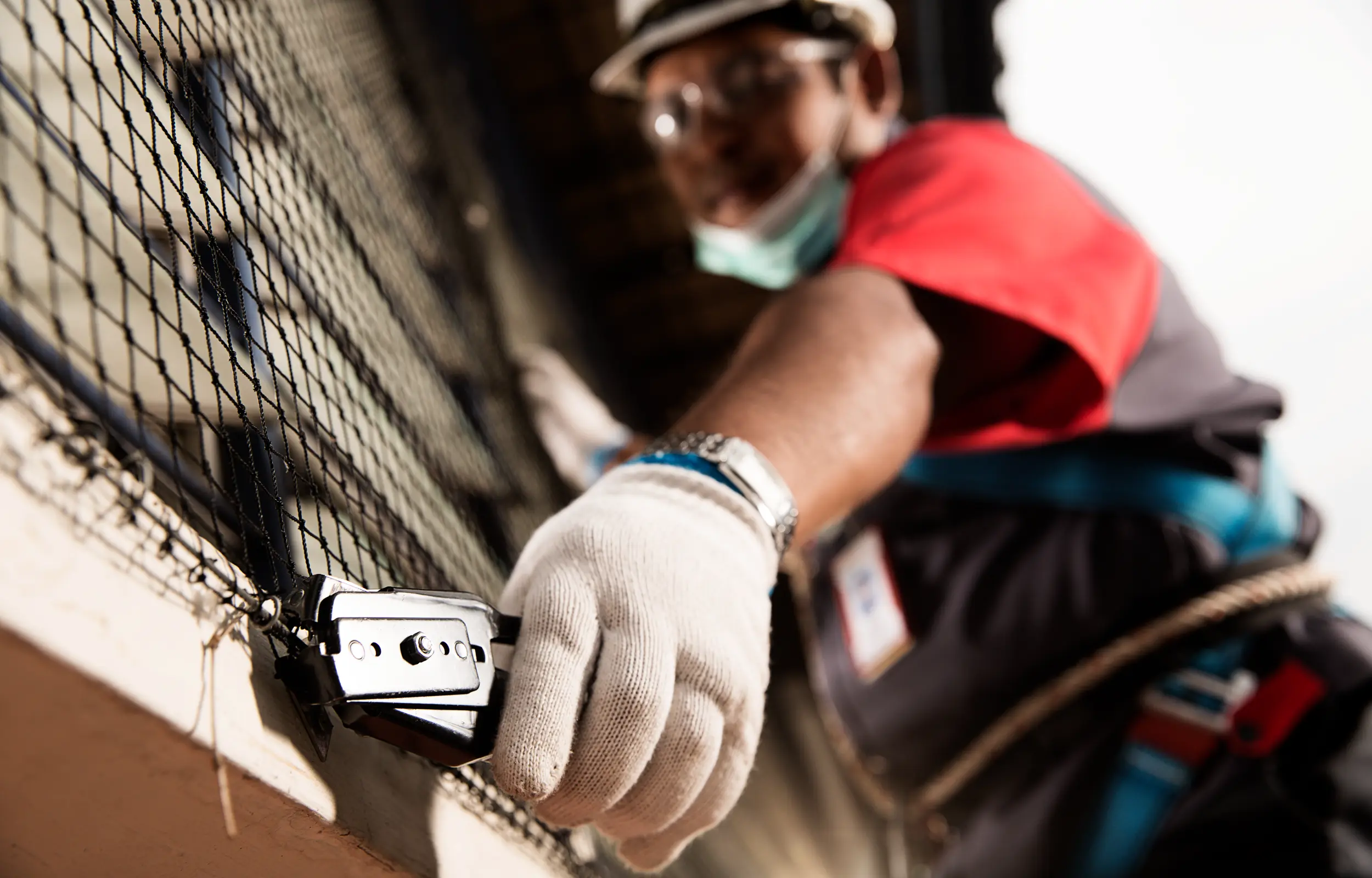
- Discreet netting systems to block access to roof voids and service areas
- Low-visibility spikes or ledge deterrents to prevent roosting on signage and balconies
- Structural proofing to seal entry points
- Environmental assessments to reduce food and water attractants
These measures do not harm birds. Instead, they encourage them to relocate naturally to more suitable environments away from guest areas. Importantly, solutions are also designed with aesthetics in mind. Because visual appeal is important to resorts, bird management systems must blend seamlessly with architecture and landscaping, preserving the luxury feel guests expect.
Rentokil covers all bases when it comes to bird management allowing resorts to maintain their aesthetic appeal, promote biodiversity and protect their reputation from the risks of invasive bird species. The Caribbean’s birds are part of its identity. With thoughtful, humane management strategies, resorts don’t have to choose between conservation and comfort—they can successfully achieve both.
If your property is experiencing bird-related challenges, a professional assessment from Rentokil can help you implement balanced, sustainable solutions.
Experiencing bird-related issues at your property?
Protect guest comfort, safety, and your resort’s reputation with professional bird management solutions.
Contact Rentokil today to arrange a site assessment with one of our pest experts.
Call us on 246 429 3546 or contact us online and we’ll get back to you within 24 hours to book a free consult.
Pest control services
Protecting homes and businesses in Barbados for over 60 years
- Safe, effective, environmentally-friendly pest control
- A broad range of pest management options to suit your home and business needs
- With over 16 local, accredited pest controllers, we provide a rapid-response service across all of Barbados